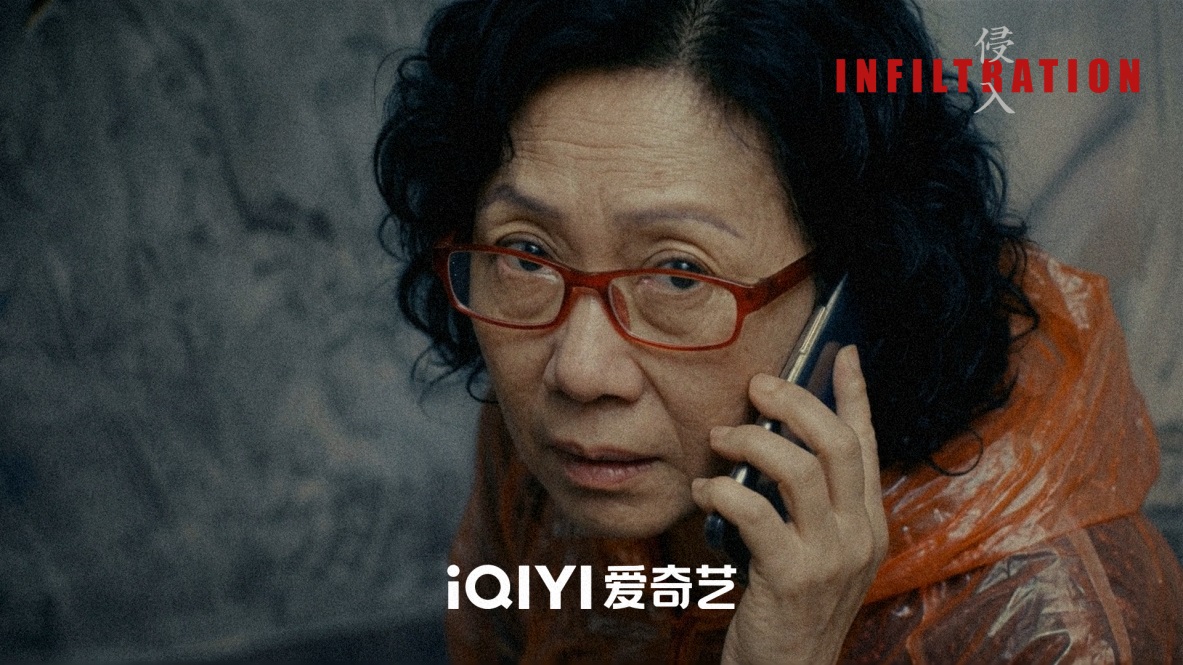
Recently, the "Bao Dexi · iQIYI Artificial Inteligence (AI) Theater" was officially launched. The AI sci-fi short film Infiltration, with Guo Jiarui, a 2022 student majoring in Radio and Television Directing at the School of Performing Arts, serving as the AIGC Director, was exclusively screened on the iQIYI platform on April 18. The successful debut of this film on a mainstream domestic online audio-visual platform is not only an outstanding creative achievement for the student but also a remarkable testament to the AI film and television teaching effectiveness of the School of Performing Arts, fully demonstrating the university's comprehensive strength in cultivating talents in digital film and television creation.
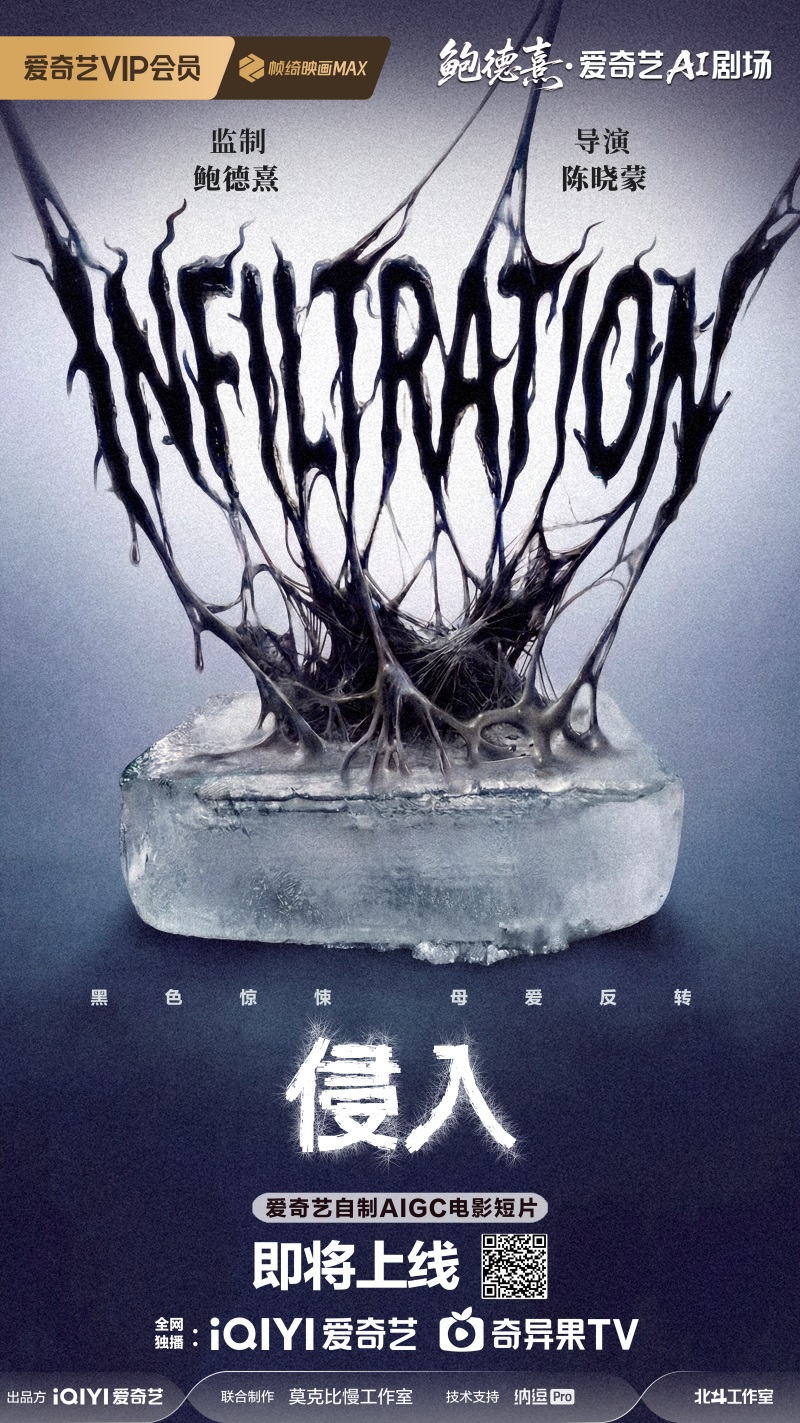
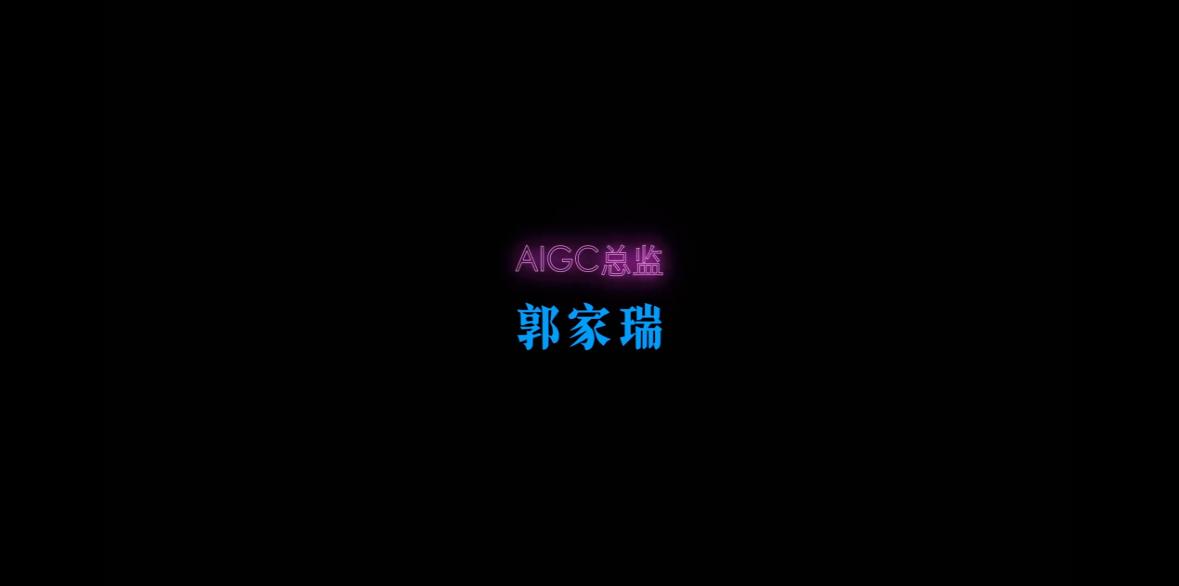
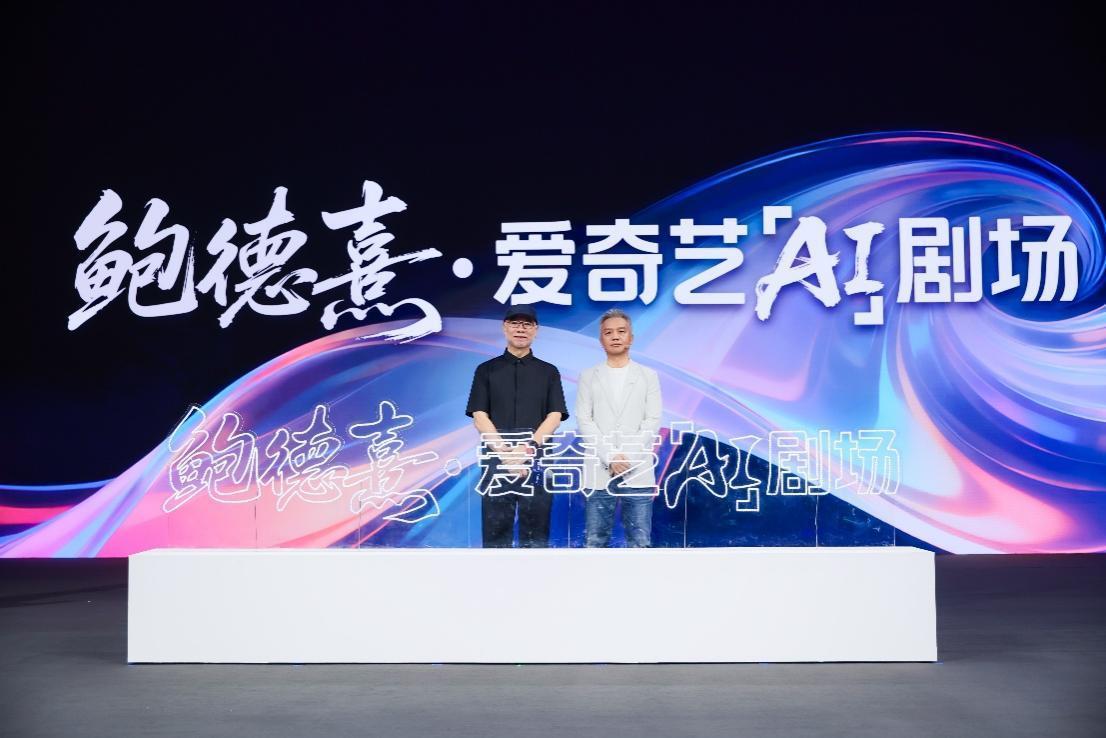
The "Bao Dexi · iQIYI AI Theater" was officially launched on September 25, 2025, soliciting AI film and television creative works from young creators across the country. It aims to cultivate a new generation of professional creators proficient in AI film production technology and to explore narrative models and content ecosystems in the AI era. Following its launch, the project attracted numerous young creative talents. After multiple rounds of strict review, 16 teams were ultimately selected to receive production subsidies and other support. With solid professional foundation and outstanding innovative practical ability, Guo Jiarui was successfully selected. He was fully responsible for the core visual generation and the establishment of the AI creative workflow for the film, fully showcasing the professional literacy and creative strength of BCU students.
Infiltration explores the themes of identity alienation and familial protection with a unique visual style. It tells the story of a mother mutated into a "bug-human" who is confined within an old apartment, yet still expresses her deep love for her daughter through subtle actions such as cleaning the house and organizing photo albums. Blending sci-fi visual aesthetics with delicate emotional expression, the creative team utilized AI technology to generate dynamic storyboards and produce special effects scenes. They also used algorithms to simulate subtle changes in the characters' facial expressions, enhancing the emotional depth of the virtual characters. This creative model breaks down the barriers between creativity and technology in traditional film production, providing young directors with a more flexible path of expression and offering a practical sample for the film and television industry to explore new paradigms of human-machine collaborative creation.