Recently, the student garden design works from Beijing City University's school-enterprise practical project, "Youth Innovation Garden · Dream-Building Oasis," were officially unveiled in the Tulip Exhibition Area of the Beijing International Flower Port.
Themed "Youth Creativity: Painting a New Ecological Landscape for the Tulip Exhibition," this event aims to enrich the landscape layers of the exhibition area and build an innovative practical platform for young students. It promotes the deep integration of classroom knowledge with outdoor implementation, fully unleashing the creative vitality of the youth. By injecting a youthful atmosphere and innovative expressions into the Flower Port, the project seeks to create garden landscapes that are ornamental, interactive, ecological, and sustainable.
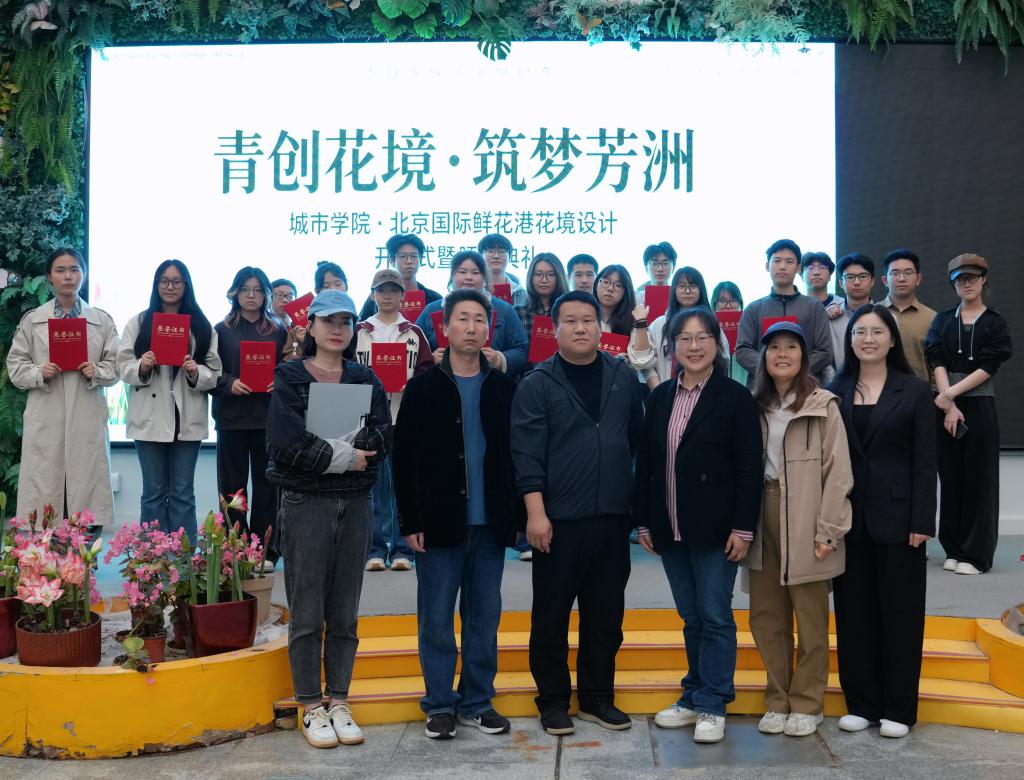
The project strictly limited the footprint of the works, requiring controllable costs, eco-friendly materials, and harmony with the scenery of the Tulip Exhibition Area. The core evaluation criteria focused on creative design and practical implementation. The School of Urban Construction attached great importance to this project and organized it meticulously. Students from majors of Landscape Architecture, Architecture, Urban and Rural Planning, and experimental classes participated actively and created enthusiastically. Guided by their teachers, the students applied their professional knowledge and closely aligned with design concepts such as ecological low-carbon, youth creativity, interactive experience, and regional culture. They completed the entire process from scheme design and refinement to material selection and on-site construction. Ultimately, nine garden works were exhibited.
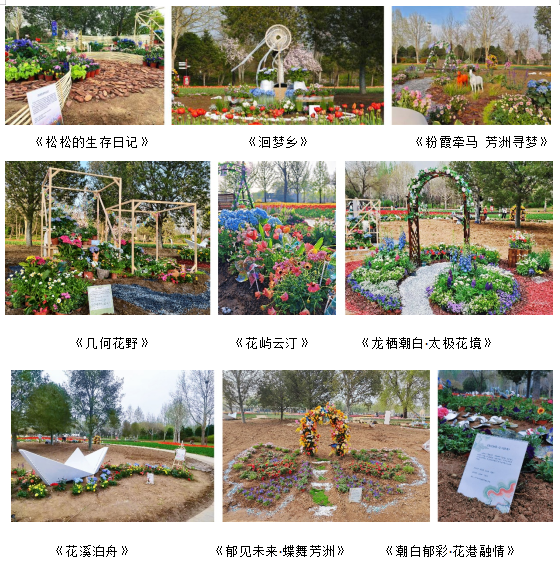
Each group's work closely adhered to the thematic requirements, organically blending tulip elements, native plants, and eco-friendly materials with regional culture, youthful imagery, and ecological concepts. Some created self-sustaining ecological gardens, some built poetic and immersive spaces, while others presented creative expressions of regional culture. These works received high praise from both the scenic area management and visiting tourists, showcasing the solid professional foundation, outstanding innovative thinking, and excellent practical implementation capabilities of BCU students.
The unveiling of these works marks a milestone achievement in BCU's efforts to deepen school-enterprise cooperation, integrate industry with education, and foster learning through practice. In the future, the School of Urban Construction will continue to deepen its collaboration with industry platforms, expand more practical scenarios, and constantly innovate its educational models. The goal is to cultivate more high-quality, application-oriented talents who are proficient in design, capable of implementation, skilled in innovation, and grounded in reality, thereby contributing to the high-quality development of urban-rural construction and cultural tourism landscapes.