From 28 to 30 July, Beijing City University (BCU) and Hong Kong Metropolitan University successfully held their 2026 Academic Seminar and Field Visits under the theme “Connecting Beijing and Hong Kong to Shape the Future Together”. More than 50 participants attended, including Ye Yingfang, Vice Chair of University Council at BCU; Philips Wang Fu-lee, Dean of the School of Science and Technology at Hong Kong Metropolitan University; Meng Yuan, Dean of BCU’s School of Urban Construction (SUC); Wang Hui, Dean of BCU’s School of Information Technology (SIT); and key faculty members and student representatives from both universities. Liu Hongjie, Deputy Dean of SUC, chaired the event.
In her address, Ye Yingfang noted that both universities are members of the Global Consortium of Metropolitan Universities, share similar institutional profiles and educational philosophies, and have long been committed to academic exchange and resource sharing. She said the dialogue would advance joint efforts to tackle research challenges, encourage interdisciplinary integration and collaborative innovation, and give fresh impetus to educational cooperation between Beijing and Hong Kong. Philips Wang Fu-lee thanked BCU for its warm hospitality. Noting the strong foundation of ties between the two universities, he expressed the hope that the seminar would mark a new starting point for deeper exchanges and broader cooperation.
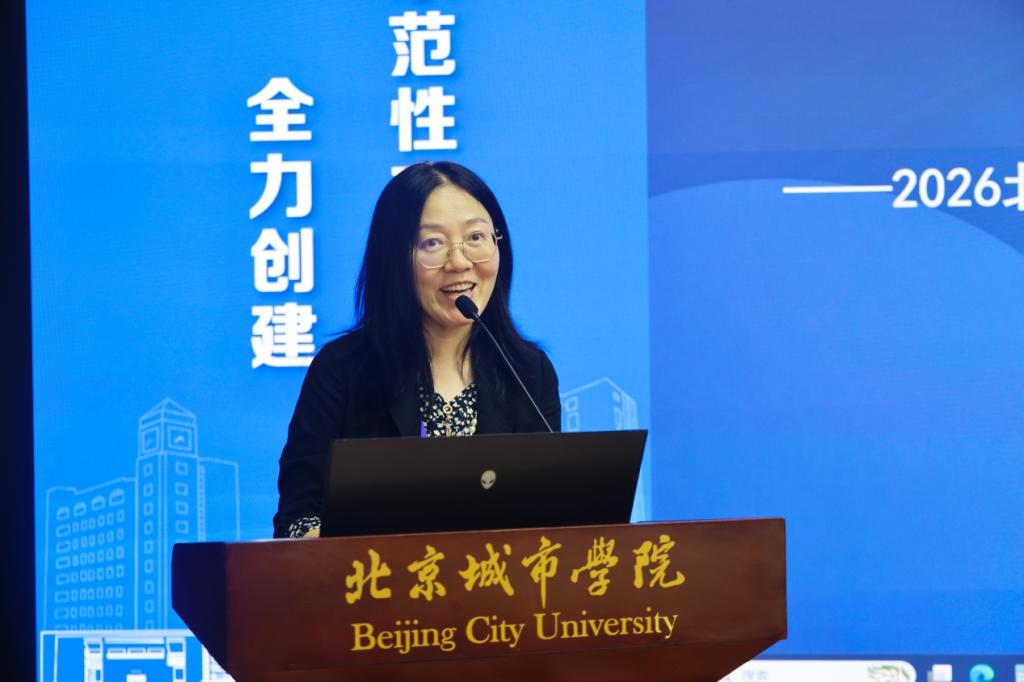
Liu Hongjie chairs the academic seminar
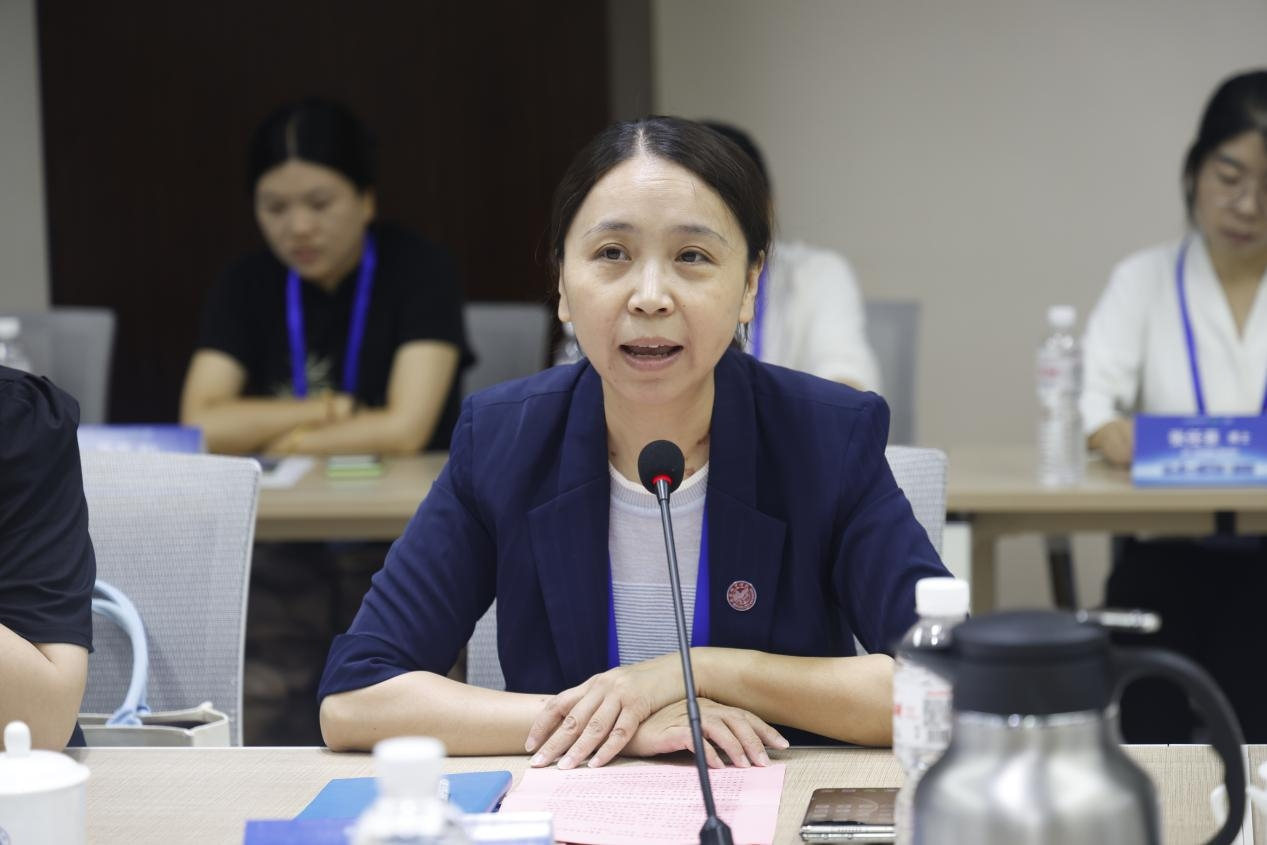
Ye Yingfang delivers her address
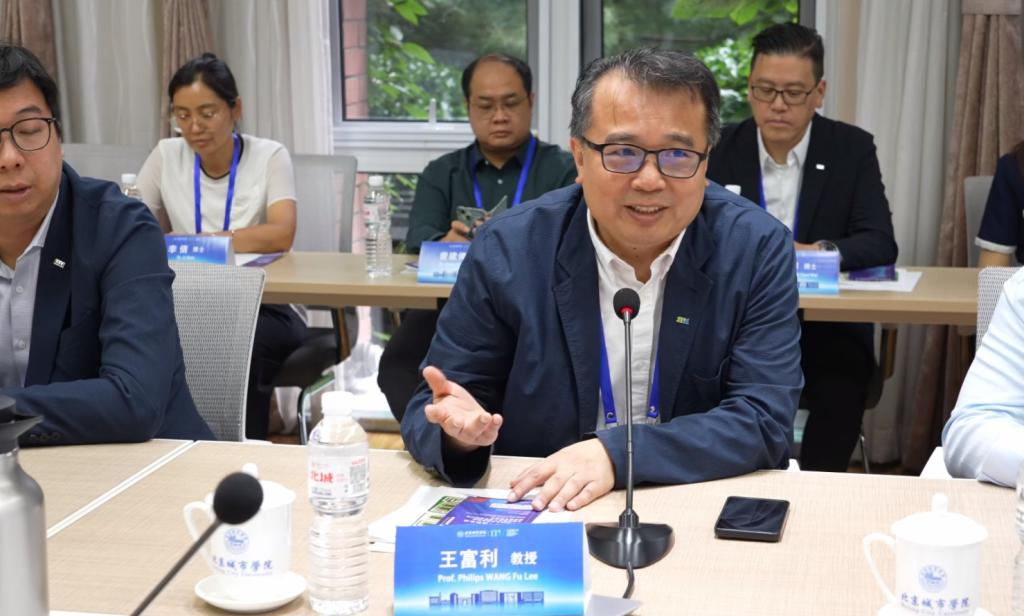
Philips Wang Fu-lee delivers his address
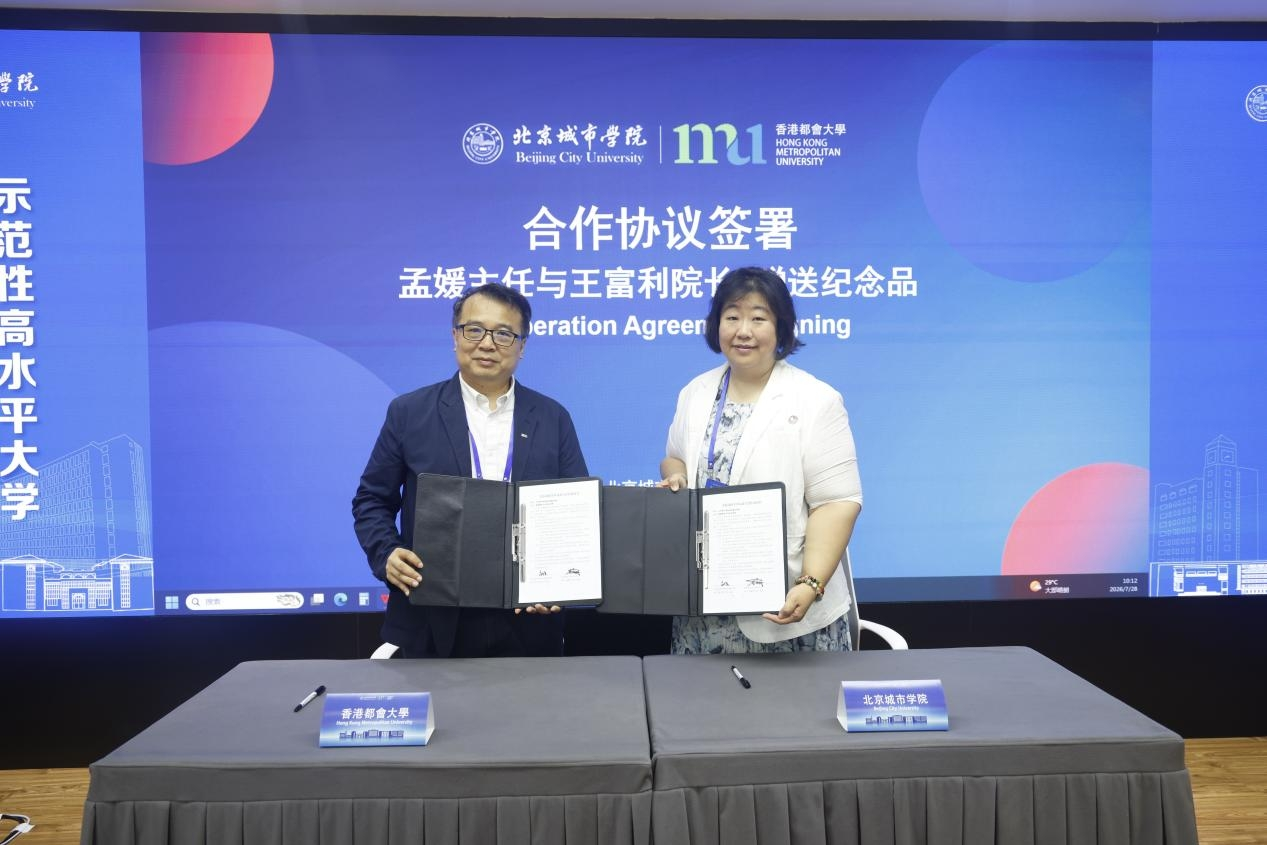
Deans Meng Yuan and Philips Wang Fu-lee sign an agreement between their schools within the framework of the inter-university agreement
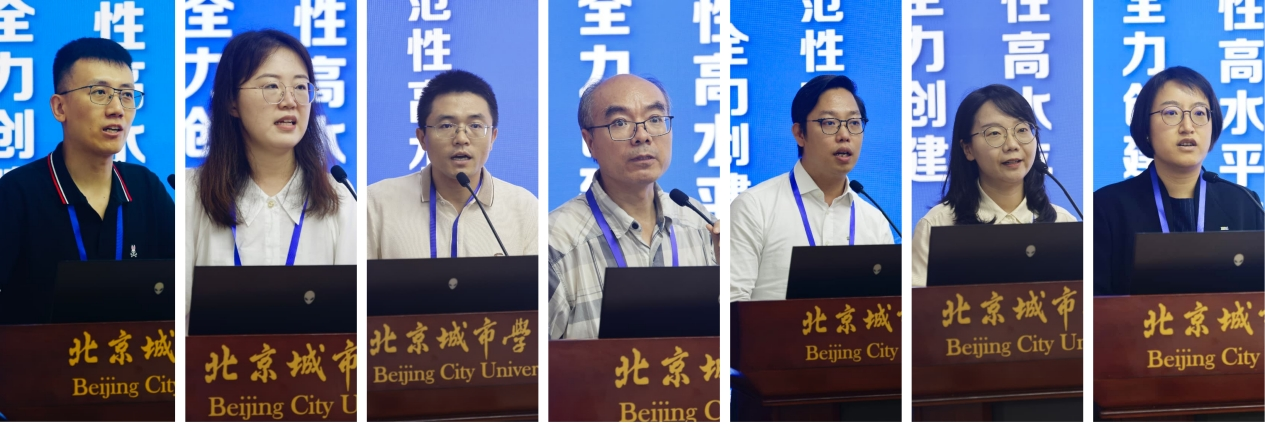
During the keynote session, seven scholars — Cui Xuegang, Li Shuhan, Zhao Xiaolin and Luo Shezhou from BCU, and Sidney Chan Man Ngai, Yolanda Li Yaohan and Ada Tsang Wing Chi from Hong Kong Metropolitan University — shared their latest research findings. Topics included strategies for Shenzhen–Hong Kong cooperation; the stability of aquatic plant communities; load-bearing mechanisms of rock-socketed piles in complex urban strata; the use of LiDAR in surveying, mapping and cultural heritage conservation; ecological risk assessment of microplastics in coastal environments; assessment of infrastructure resilience to disasters; and the use of unmanned aerial vehicles and deep learning to detect defects in building façades. During the discussion session, “Shaping a New Vision for Smart Eco-Cities Together”, faculty members and invited speakers from both universities exchanged ideas in depth and offered forward-looking perspectives on the future development of smart eco-cities.
The delegation from Hong Kong Metropolitan University also visited BCU’s University History Museum and the laboratories of SUC, SIT and the School of Arts and Design (SAD). They explored interactive displays featuring backpack-mounted 3D laser scanners, 3D printing with robotic arms, a digital platform for traditional architecture, and Winter Olympic torch designs.
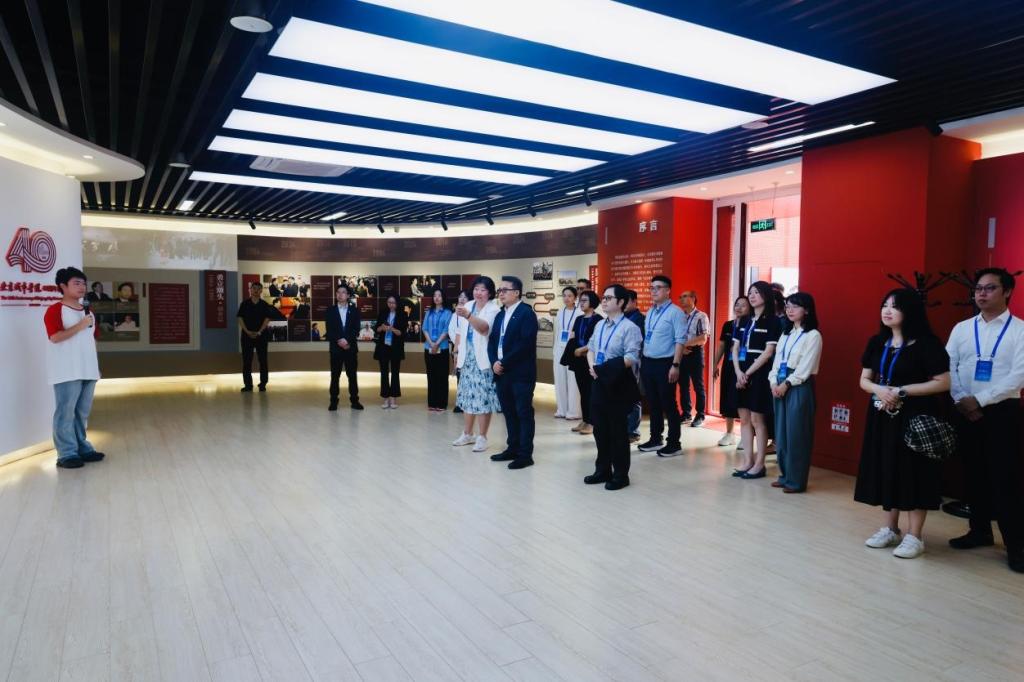
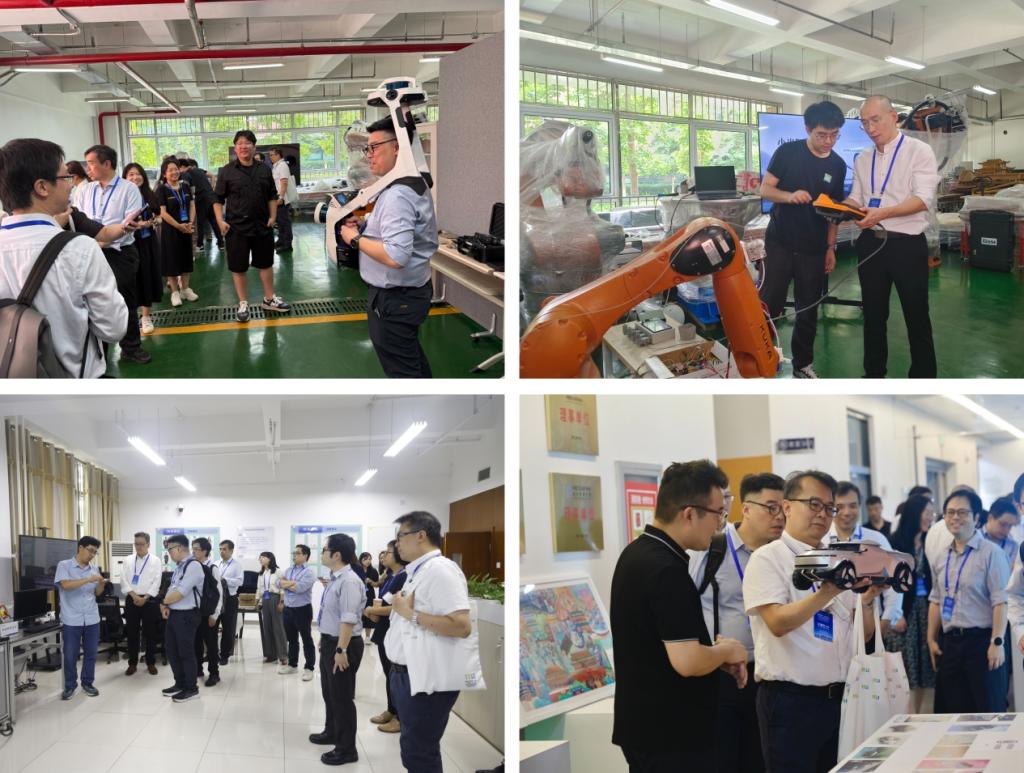
During the field visits, accompanied by staff, the delegation from Hong Kong Metropolitan University experienced the distinctive character of Beijing’s historical and cultural heritage first-hand.
Over the years, faculty members and students from BCU and Hong Kong Metropolitan University have taken part in diverse and substantive exchanges, actively advancing the “Beijing–Hong Kong–Macao University Exchange Programme” in ways that reflect BCU’s distinctive strengths. This event provided a platform for academic exchange and deepened mutual understanding, laying a solid foundation for closer cooperation in research, the development of academic disciplines, and talent development.