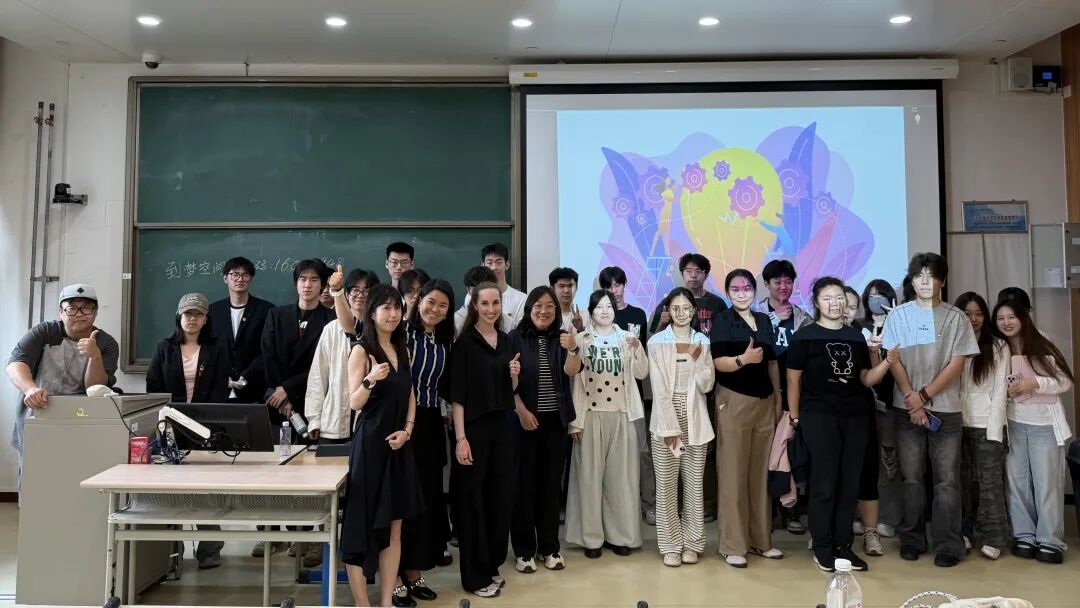
On May 27, 2026, the School of Arts and Design hosted the “Design Without Boundaries” International Academic Lecture and Workshop at the Shunyi Campus. The event featured a special guest, Ronia Hempel, a lecturer and fashion designer from Mediadesign Hochschule (MD.H). She delivered a workshop-style academic lecture titled “Design Thinking: From Imagination to Prototype” to the faculty and students of the school. As a faculty member from the German partner institution in our Sino-Germany cooperative education program, Ms. Hempel’s visit not only deepened the collaboration between the two universities in joint curriculum development but also provided a valuable opportunity for the school's faculty and students to engage with cutting-edge international design methodologies and pedagogical paradigms.
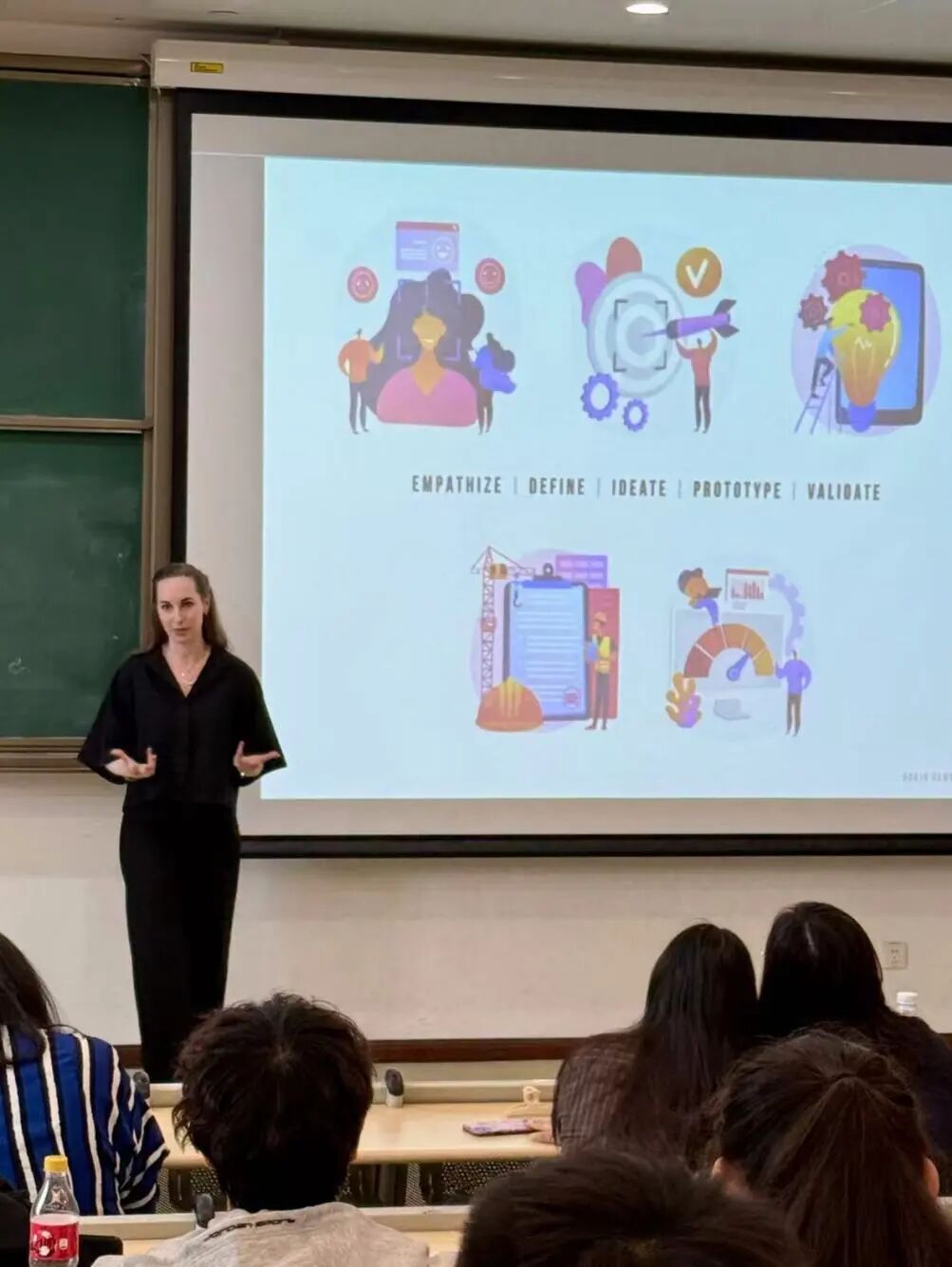
The lecture used the theoretical framework of Design Thinking as its logical main thread, systematically explaining the academic connotations and application pathways of this methodology in creative generation and problem-solving. Ms. Hempel pointed out that design thinking is essentially a user-centric, iterative creative thinking model. Its core lies in achieving a complete closed loop from demand insight to solution implementation through five progressive stages: Empathize, Define, Ideate, Prototype, and Test. She emphasized that design is not an isolated formal operation but a comprehensive practice deeply embedded in cultural contexts, individual experiences, and social perspectives. Effective innovation must be driven simultaneously by three elements: imagination, empathy, and experimentation. During the theoretical introduction, Ms. Hempel used the German design tradition as a starting point. Through semantic analysis of keywords such as “futuristic,” “functional,” and “experimental,” she guided the participants in establishing a cross-cultural cognitive reference framework for design, laying a solid theoretical foundation for the subsequent workshop practice.
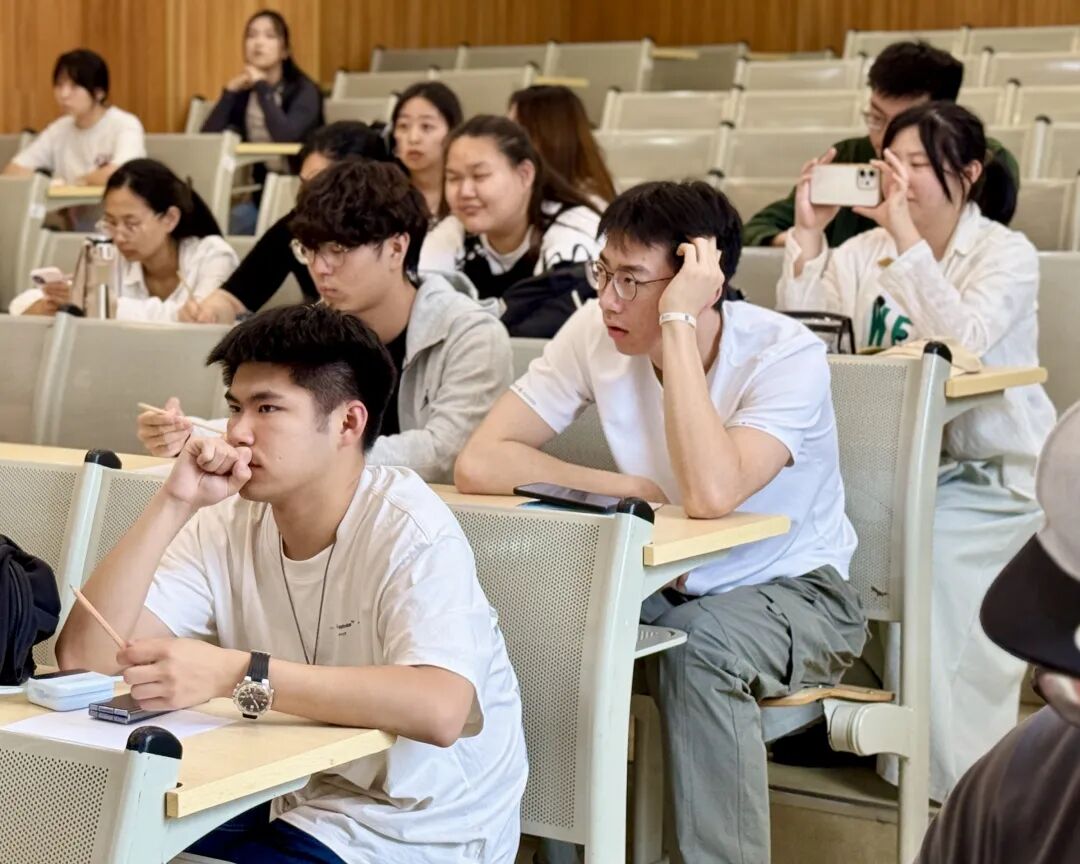
The lecture was conducted using a Project-based Learning (PBL) model. Ms. Hempel used “Building for Tomorrow” as a narrative framework, asking participants to work individually or in groups to design a “time-traveling” object that transcends current era characteristics for specific user personas, such as wheelchair users, preschool children, small robots, or beginner skateboarders. In the “Empathize” phase, each group conducted in-depth research on the physiological characteristics, sensory capabilities, behavioral habits, and psychological needs of the target persona, attempting to reconstruct the object's form, material, and interaction logic from the user's perspective. In the “Define” phase, students used precise Design Goal Statements to clarify the functional positioning and value of the objects. In the “Ideate” phase, Ms. Hempel emphasized the principle of pursuing quality over the mere accumulation of quantity. Each group quickly generated at least three differentiated conceptual proposals, covering multiple dimensions such as sensory elements, portability, and transformation mechanisms. In the “Prototype” phase, students used paper-based or digital drawing methods to clarify the narrative tension and logic of each proposal under guidance. In the “Test” phase, group members exchanged their prototypes for validation testing, collected feedback on usability, emotional experience, and “WOW moments,” and recorded iterative improvement directions accordingly.
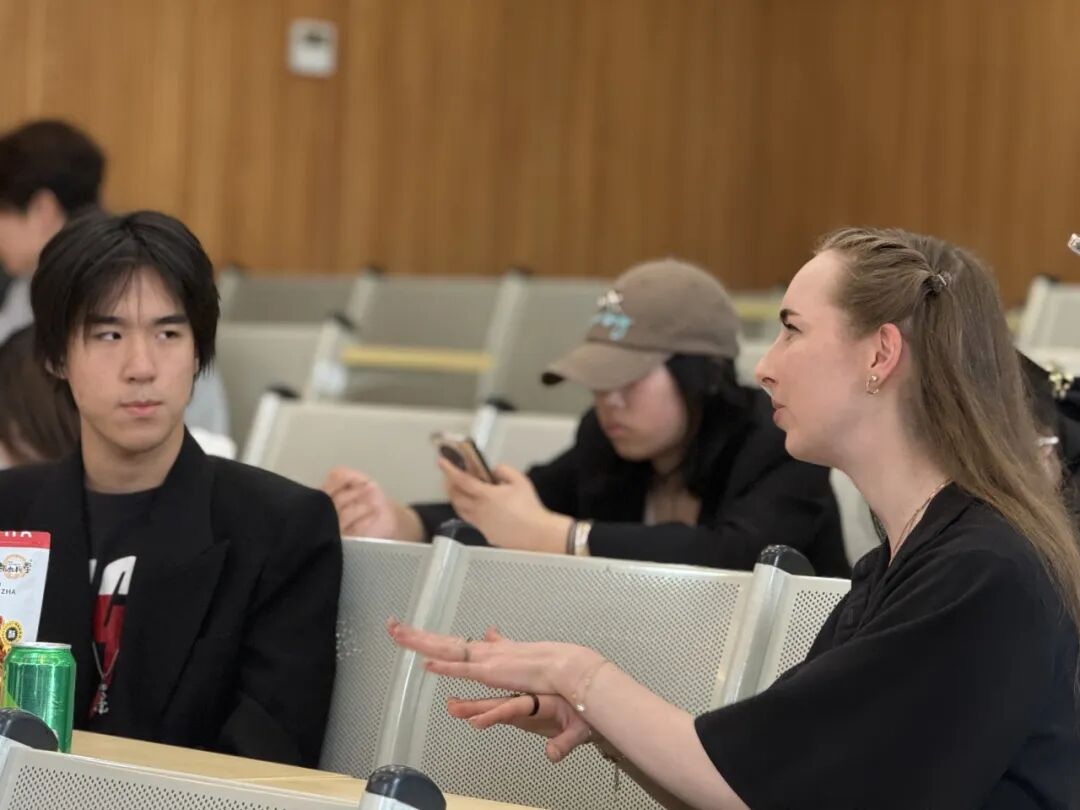
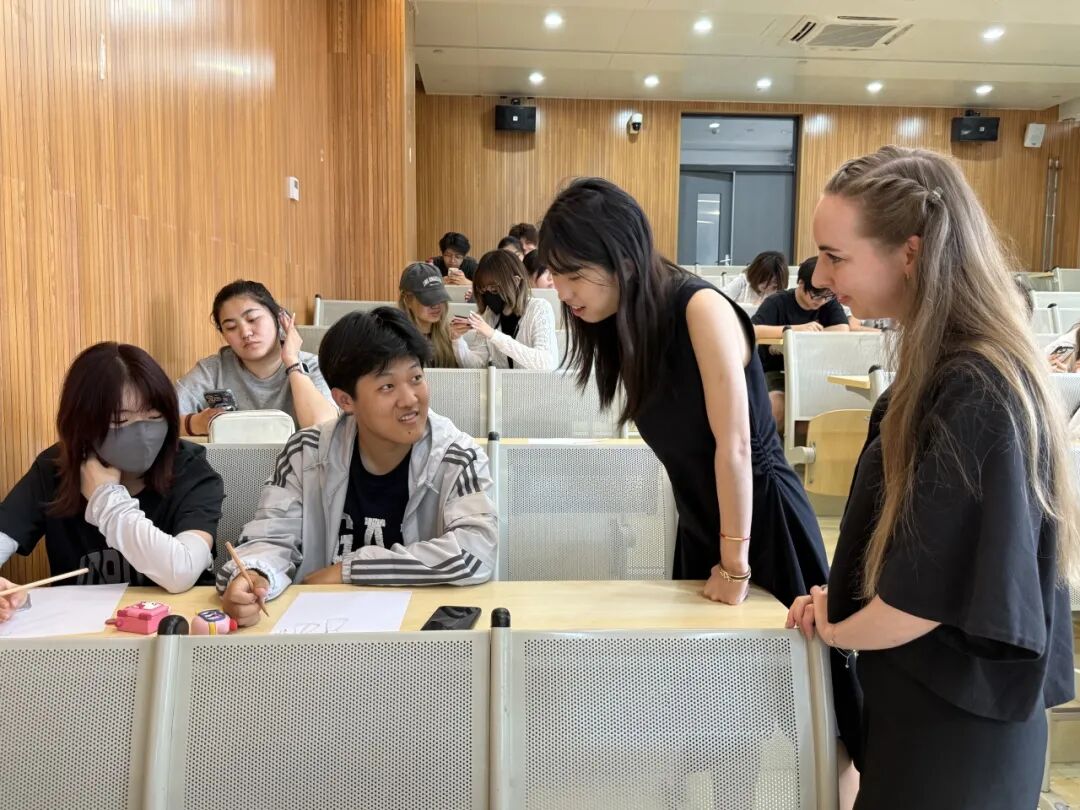
During the walkthrough guidance, Ms. Hempel repeatedly praised the students for their solid professional foundation, clear design expression, and rich imagination. She encouraged everyone to maintain an open attitude toward design diversity, stating, “Do not pursue perfection; pursue diversity. Weird, interesting, and fun ideas are also important sources of design innovation.” In the summary and reflection session, Ms. Hempel emphasized that the starting point of design innovation is not a mature, perfect concept, but a cognitive posture that remains curious about unknown fields and is brave enough to experiment. The entire lecture fully embodied the educational philosophy of “Learning by Doing.” Students completed the entire design process from demand insight to prototype validation within the limited time. Many students expressed that the lecture was a valuable learning experience and that they benefited greatly from communicating with Ms. Hempel.

This lecture not only introduced cutting-edge international design thinking methodologies to the faculty and students but also allowed everyone to truly experience the “human-centered” core of design through high-intensity interactive practice. Hosted by the Discipline Development Center, the School of Arts and Design will continue to deepen the “Design + Technology + International Vision” model in the future. It will continuously expand its cooperation network with internationally renowned art institutions, actively explore interdisciplinary and cross-major talent cultivation models, and rely on exchange platforms such as the “International Academic Lecture” series to continuously enhance the international academic reputation and talent cultivation quality of the design discipline. This will ensure a steady supply of high-quality, application-oriented design talents to serve the construction of the “City of Design.” As a core partner in our Sino-Germany cooperative education program, Mediadesign Hochschule (MD.H) possesses profound teaching accumulation and industry resources in fields such as user experience design, AI-assisted design, and prototype development. Ms. Hempel’s visit further consolidated the long-term mechanism between the two universities in joint curriculum development, faculty exchange, and quality assurance.