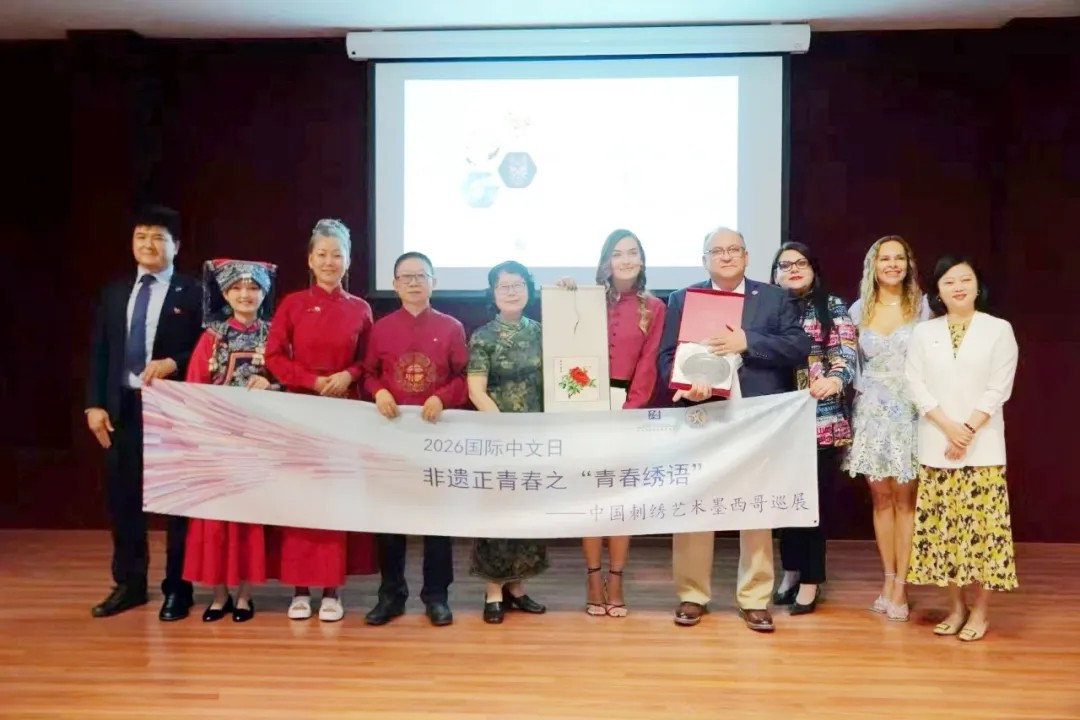
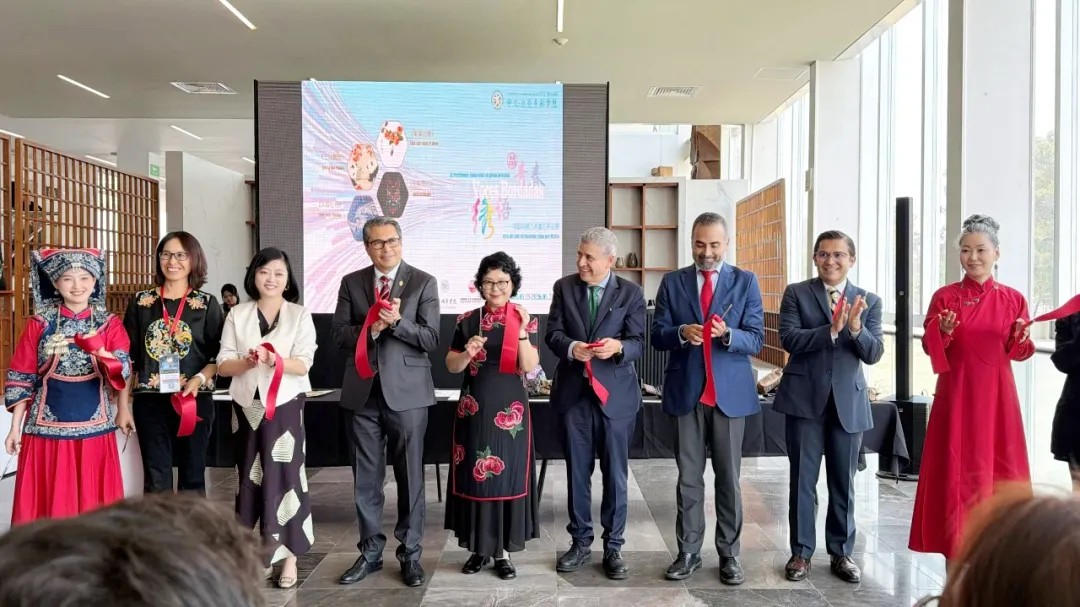
From May 13 to May 21 (local time), the "Intangible Cultural Heritage in Youth: Embroidery Whispers of Youth" China Embroidery Art Exhibition, organized by the Center for Language Education and Cooperation (CLEC) under the Ministry of Education to mark the 2026 International Chinese Language Day, successfully opened at the 2026 International Language Conference (FIID) of the University of Guadalajara in Mexico. Following the opening, the exhibition was held as a successful tour across multiple Mexican universities.
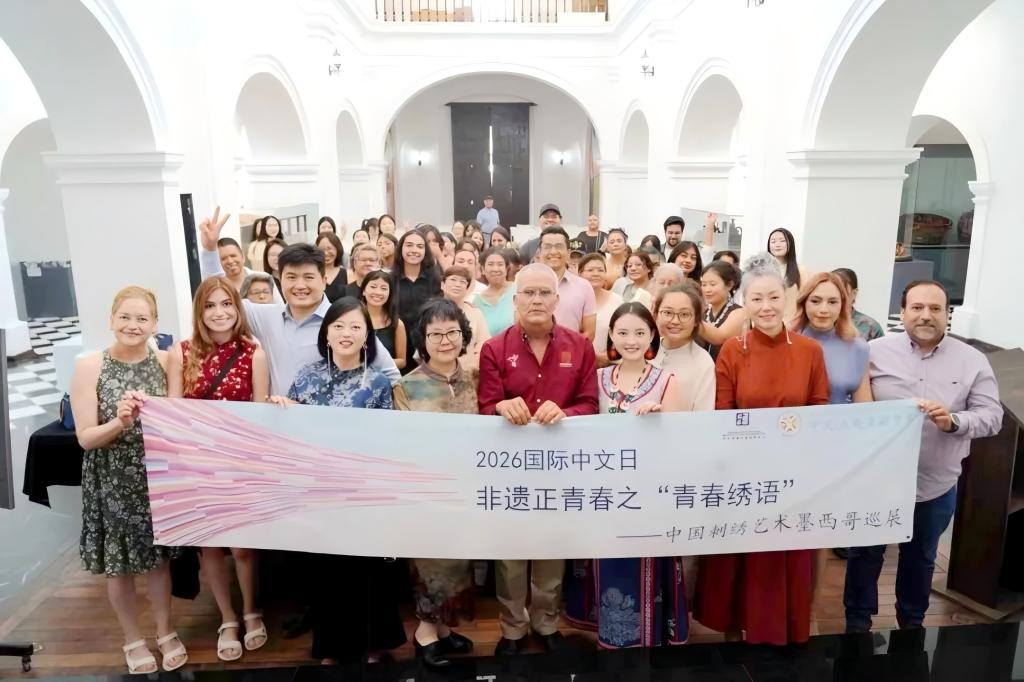
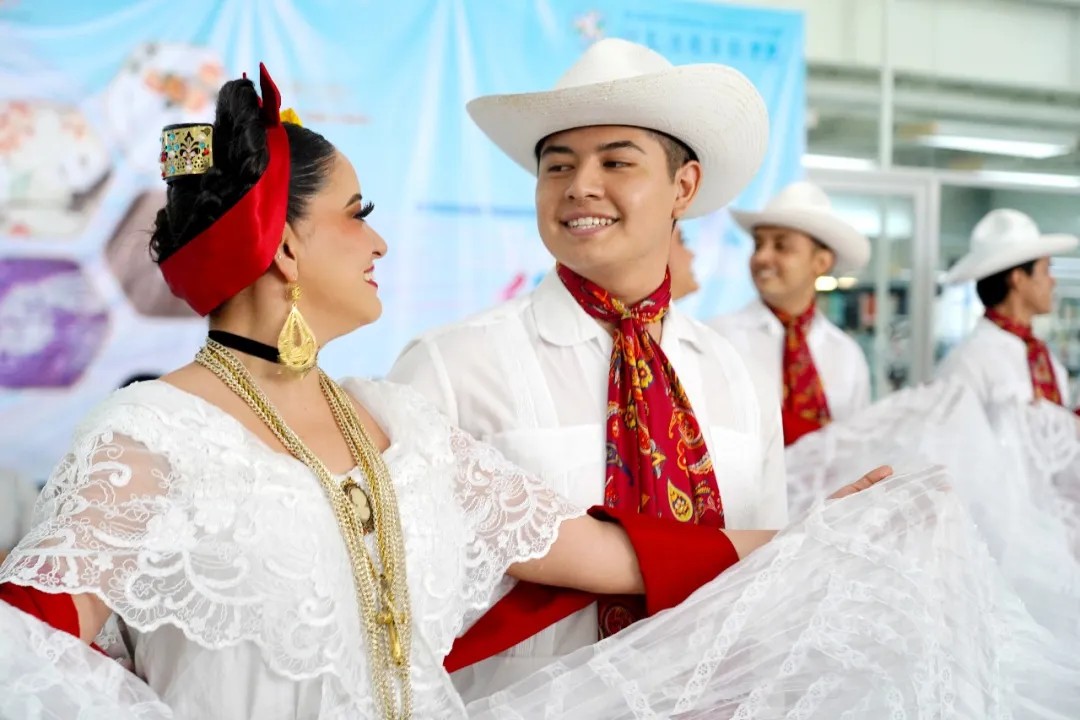
Guided by the International Communication of Chinese Culture Committee of the China Association of Private Education, the event was jointly organized by the School of International Culture and Communication at Beijing City University (BCU) and Datang Fengyun (Beijing) Film & Television Co., Ltd. It was co-organized by the working group for the second season of the documentary Chinese Embroiderers, alongside the Confucius Institutes at the University of Guadalajara, the Autonomous University of Chihuahua, and the Veracruzana University.
Liu Xilei, a postgraduate supervisor in Drama and Film (Broadcasting and Directing) at BCU, served as the Chief Planner for the tour. Faculty and students from the Broadcasting and Directing major collaborated with the documentary team, marking a successful attempt at deeply integrating university-enterprise cooperation to execute international cultural communication projects. The BCU team took the lead in core tasks, including thematic planning, visual design, promotional campaigns, on-site execution, and documentary filming. The working group innovatively utilized artificial intelligence to create an AI-animated short film, New Whispers of Embroidery. By empowering intangible cultural heritage (ICH) preservation with digital technology, the project seamlessly integrated Chinese language promotion, embroidery art, and modern film technology. Through a diversified promotional matrix, the team effectively expanded the exhibition's international reach and ensured its successful implementation, exploring a new pathway for industry-education integration in the international communication of ICH.
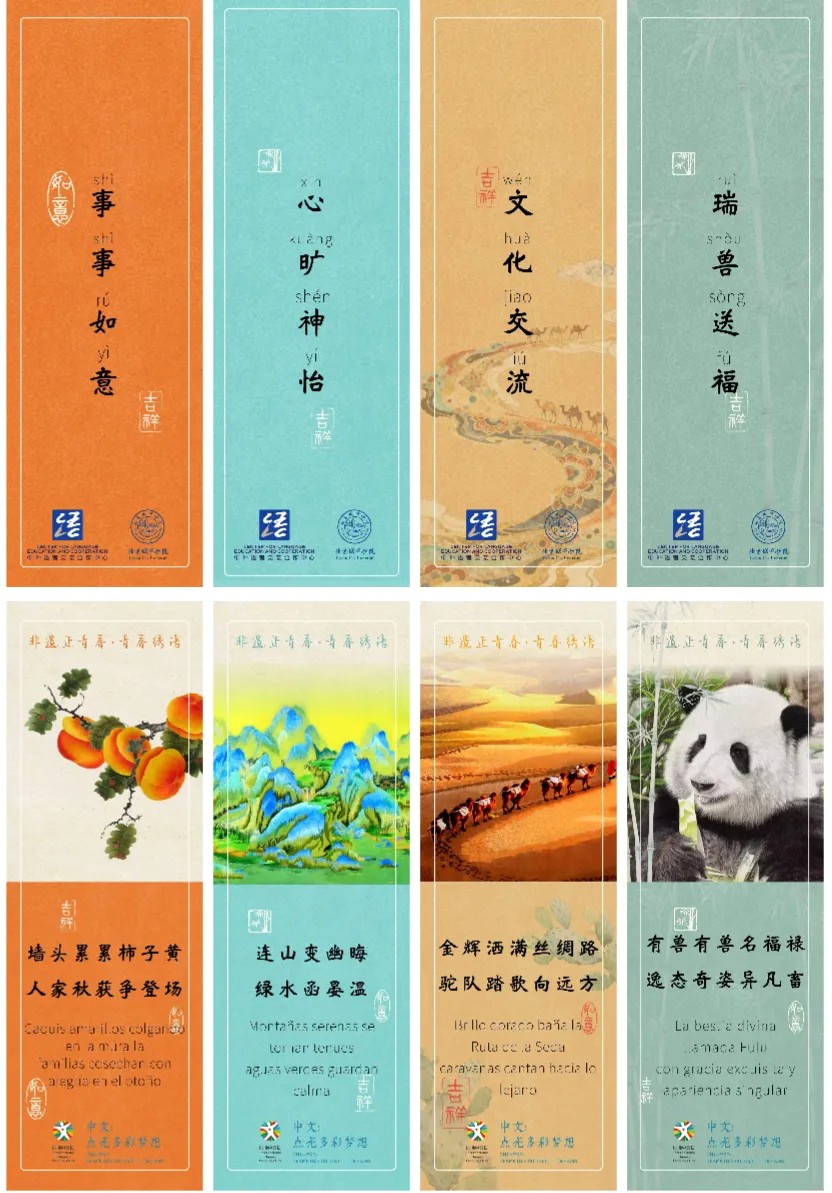
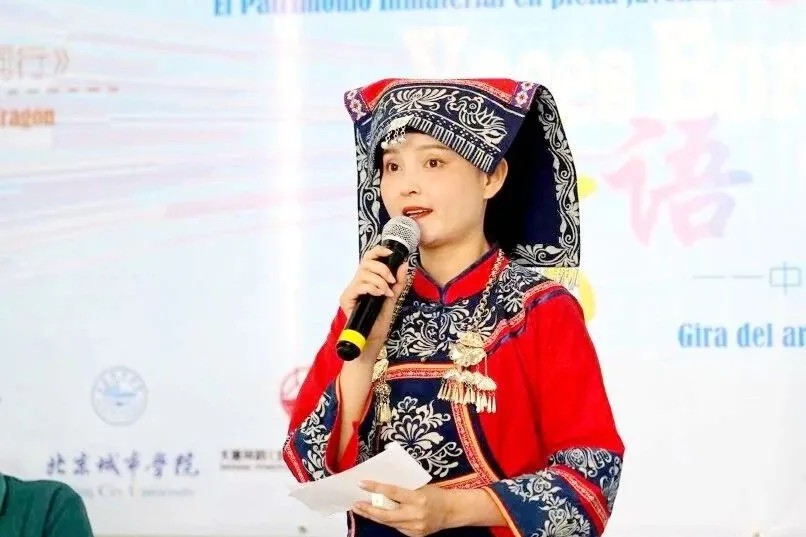
At the opening ceremony, Wang Yong, Counselor for Education at the Chinese Embassy in Mexico, delivered a congratulatory video address. He pointed out that language carries warmth and art possesses charm. As ancient civilizations and major cultural powers, China and Mexico will undoubtedly strengthen people-to-people ties and cultural exchanges when their youth learn each other's languages and appreciate each other's cultures. Héctor Raúl Solís Gadea, Executive Vice Rector of the University of Guadalajara, and Wei Shuhua, Vice Chairman and Secretary-General of the International Communication of Chinese Culture Committee and Director of the BCU-Mexico City Cultural Center, also attended and delivered speeches at the opening ceremony.
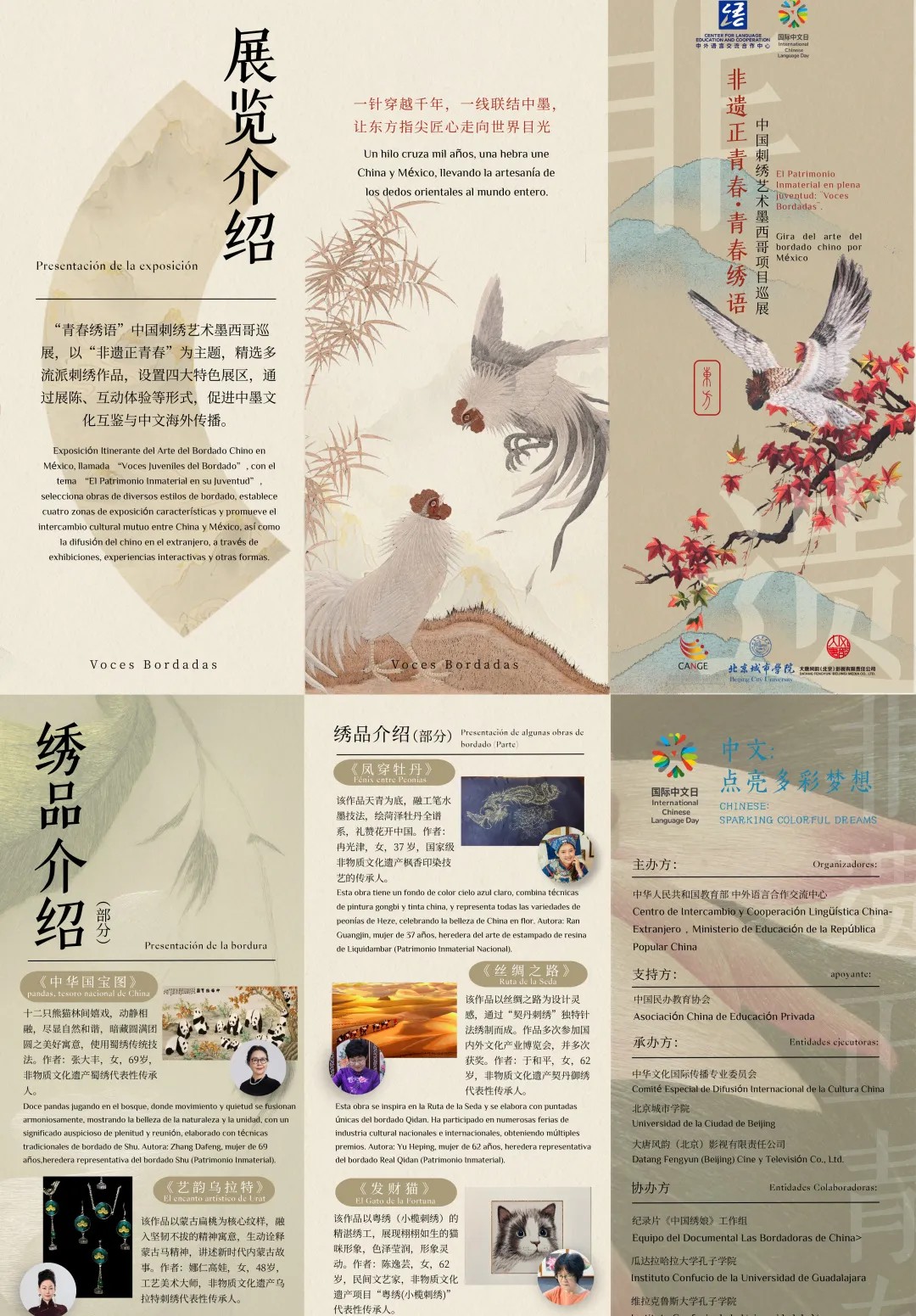
Centered around the 2026 International Chinese Language Day theme, "Chinese Language: Illuminating Colorful Dreams," the exhibition invited three prominent domestic embroidery artists: Zhang Dafeng, a Master of Arts and Crafts in Sichuan Province and researcher at the Sichuan Provincial Research Institute of Culture and History; Naren Gaowa, a representative inheritor of Urad embroidery and member of the Embroidery Art Committee of the China Arts and Crafts Society; and Ran Guangjin, a state-level representative inheritor of the national ICH Fengxiang tie-dyeing technique. The exhibition seamlessly blended traditional Chinese embroidery with Chinese language learning, showcasing 36 exquisite pieces and cultural products from various schools, including Shu, Su, Xiang, and Yue embroidery, as well as Urad embroidery and Fengxiang tie-dyeing. Embodying the concept of "ICH in Youth," the tour featured both masterpieces by renowned artisans and innovative works by young embroiderers, comprehensively demonstrating the profound heritage and youthful vitality of Chinese embroidery art.
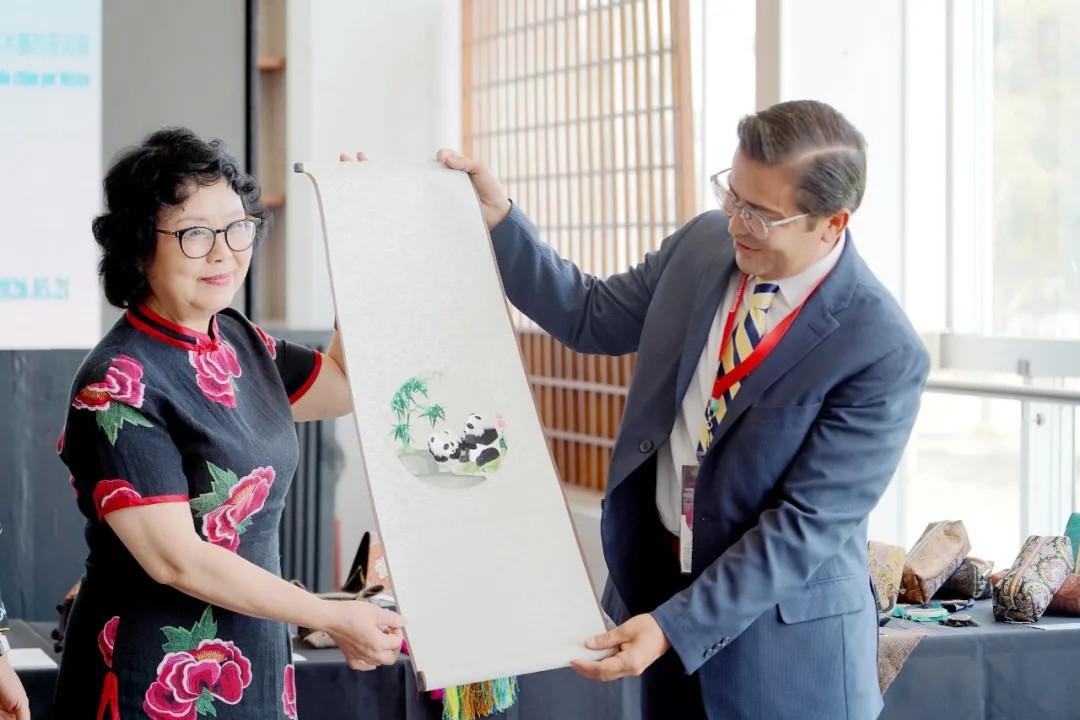
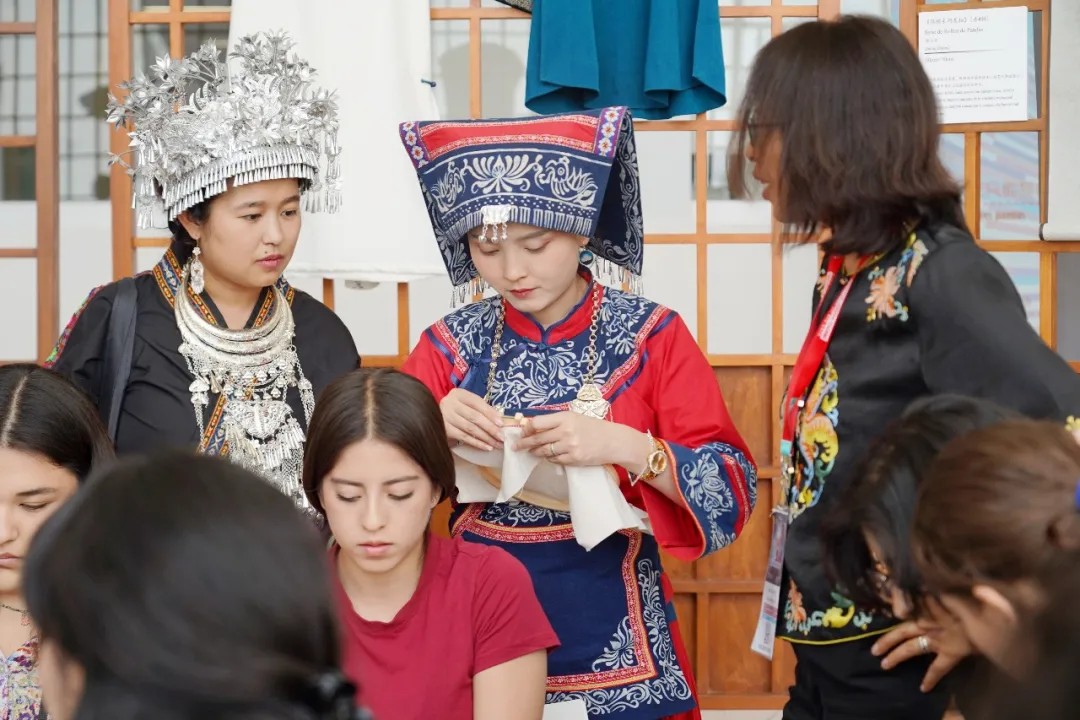
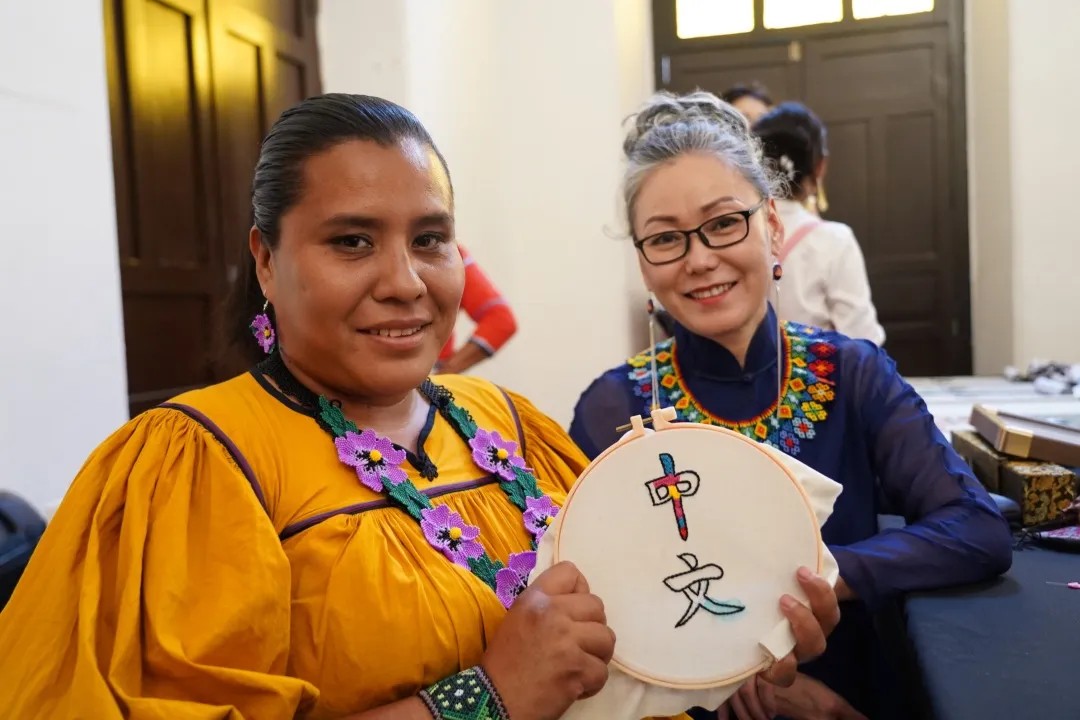
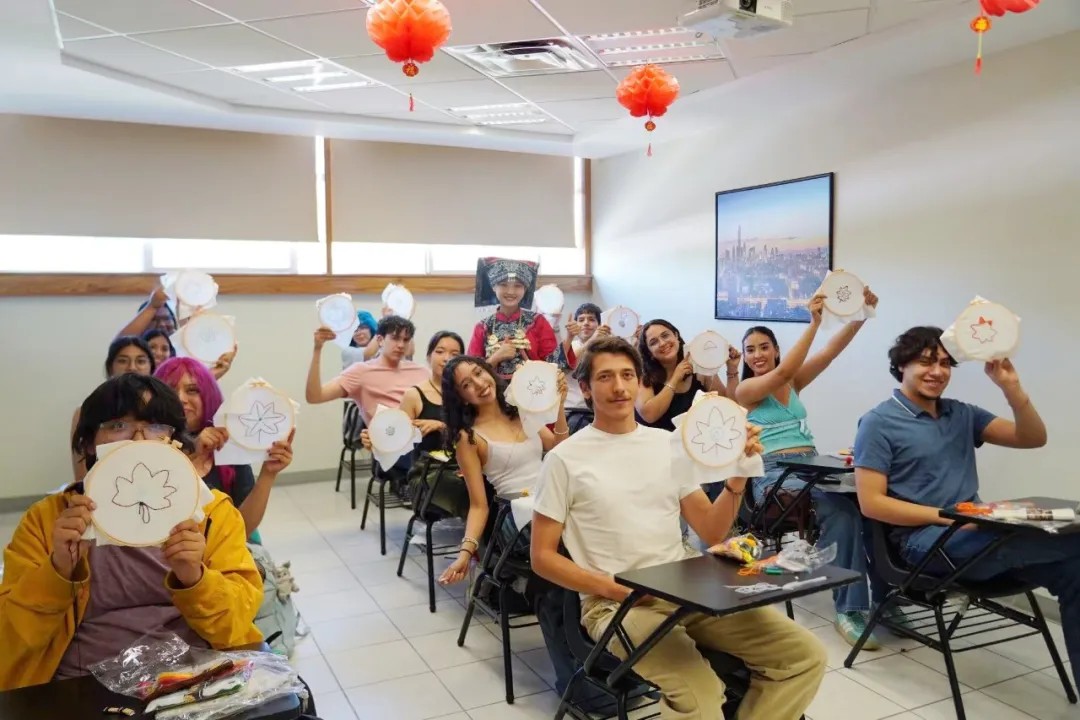
During the exhibition, a "China-Mexico Embroidery Artists Exchange Meeting" was held, alongside embroidery culture lectures, technique demonstrations, and immersive interactive experiences. These events allowed the local Mexican audience to experience the fine traditional Chinese culture up close, attracting over 1,000 visitors, with 220 participating in the interactive embroidery experiences. The event received an overwhelmingly positive response.
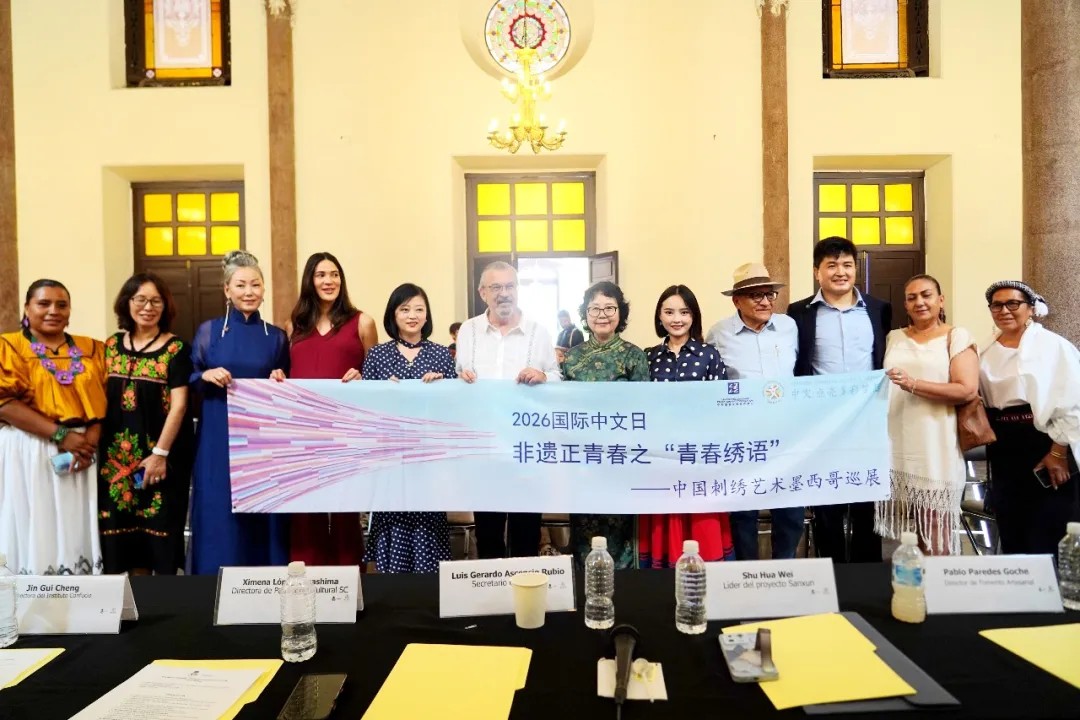
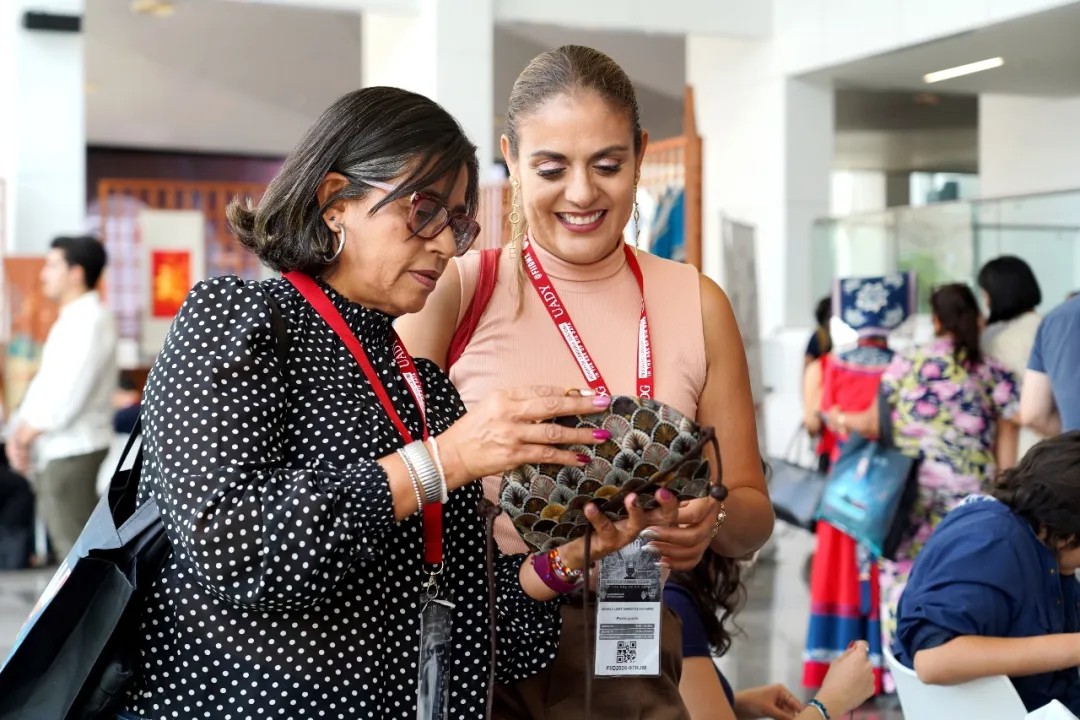
The BCU-Mexico City Cultural Center participated throughout the cultural tour of the Chinese embroidery delegation across three Mexican cities. In collaboration with faculty and students from the Spanish (Digital Media Sino-Spanish Experimental Cohort) program, the center meticulously translated over 50,000 words of ICH-themed texts and provided precise consecutive Chinese-Spanish interpretation on-site. This ensured that artists from both countries could engage in in-depth discussions on embroidery techniques and exchange insights on China-Mexico city cultures.
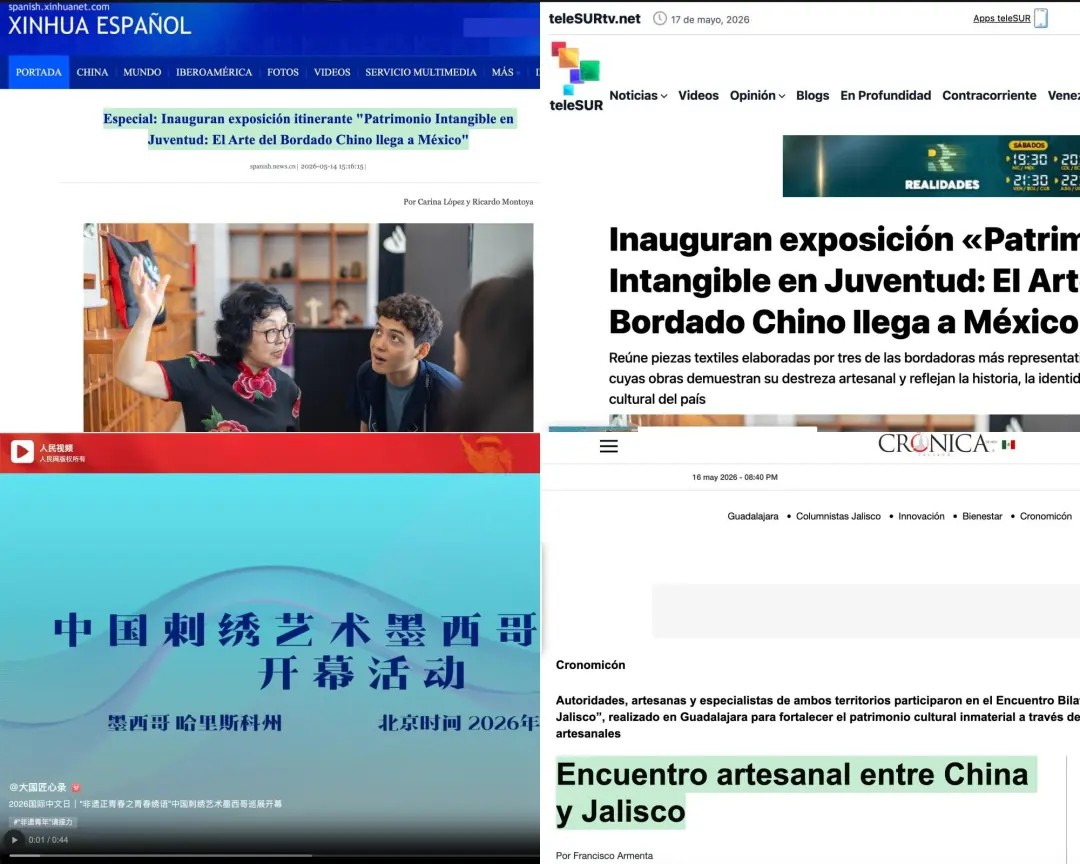
The event received extensive media coverage. Xinhua News Agency's Mexico Bureau, Latin American Television Network (Telesur), and local official media outlets such as El Informador, El Occidental, and the Jalisco State Culture Department website continuously published reports covering Mexico and Latin America. Domestically, mainstream platforms including People's Daily Online, China.com.cn, the Spanish version of the China-LAC Forum, and Beijing Time provided follow-up coverage. The official overseas social media accounts of the Beijing Municipal Government Information Office also promoted and shared updates on the event.
"Appreciate one's own beauty, appreciate the beauty of others, and share beauty together." Actively building bridges for intangible cultural heritage, Beijing City University (BCU) deepens mutual learning through art in dialogue and exchange, allowing traditional craftsmanship to transcend national borders and thrive through generations.