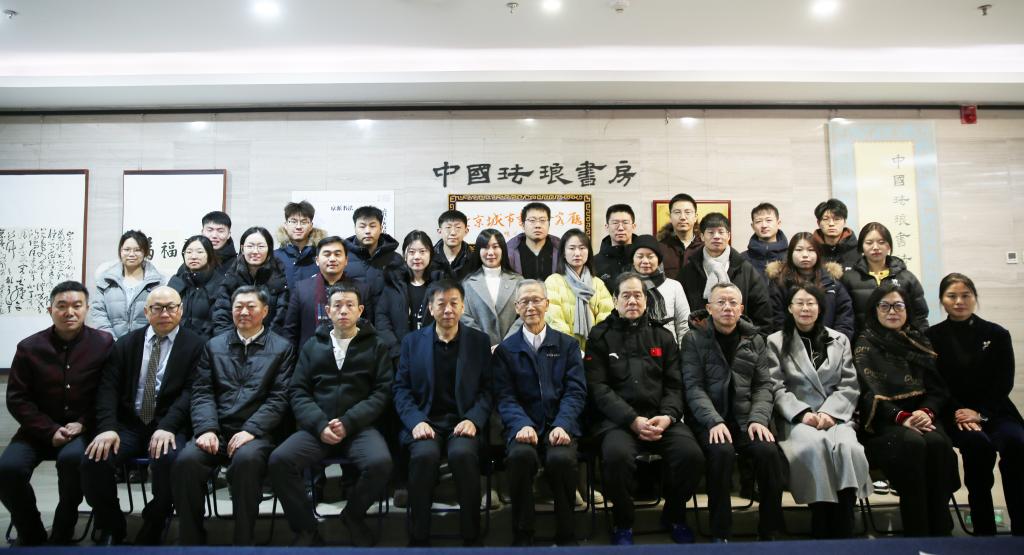
On December 31st, the opening ceremony for the "Beijing City Calligraphy Studio & Gallery" and the New Year Calligraphy Invitational Exhibition were held at the China Enamel Calligraphy Plaque Museum. Attendees included Guo Zhenyou, former Deputy Director-General of the Ministry of Education's National Inspectorate and Chairman of the Calligraphy Education Professional Committee of the China Education Association; Li Youzeng, Vice President of the China Educational Equipment Industry Association; Song Yuping, President of the China Enamel Industry Association; Zhou Jianhui, Dean of the School of Education of BCU; Zhang Zhanli, Director of the Academy of Calligraphy of BCU; along with other distinguished guests, figures from the calligraphy community, and representatives of teachers and students from the School of Education's Calligraphy Program. The event was hosted by Wang Pengjiang, Curator of the China Enamel Calligraphy Plaque Museum and Director of the China Digital Calligraphy Research Center.
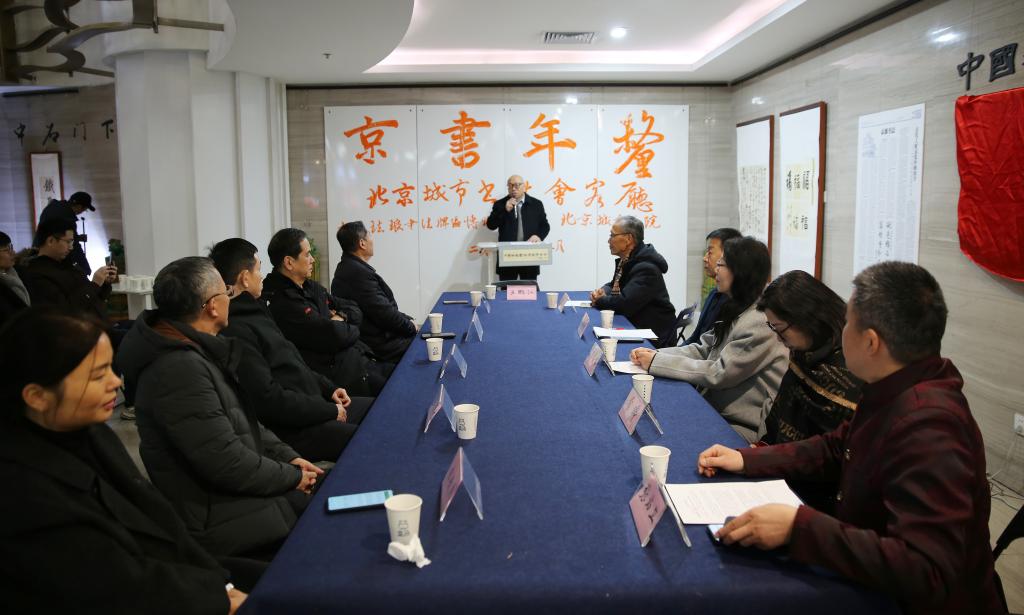
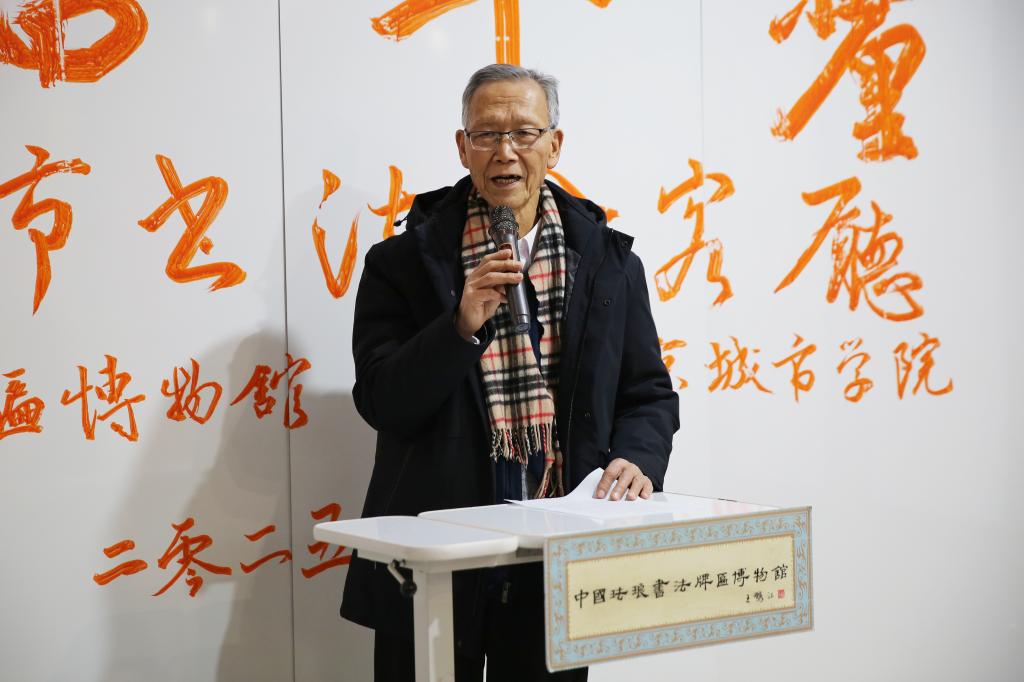
Guo Zhenyou pointed out that the establishment of the "Beijing City Calligraphy Studio & Gallery" allows the millennium-old fragrance of ink to resonate with the contemporary metropolis. It builds a high-level platform for the exchange and mutual learning of calligraphy art and the cultivation of professional talents, helping to invigorate the traditional cultural heritage in the new era.
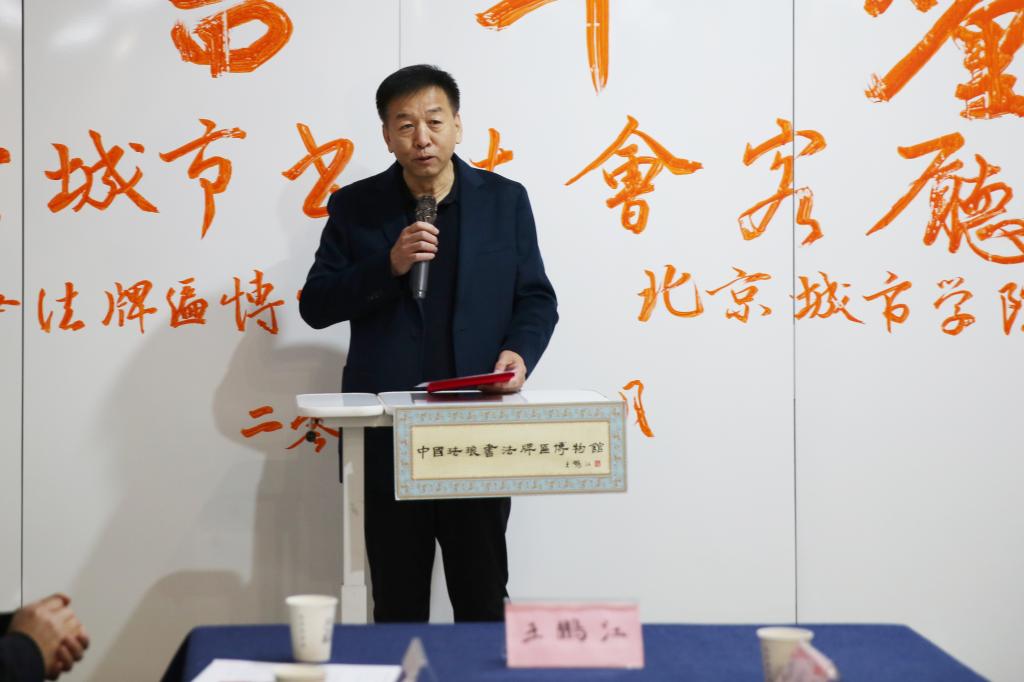
In his speech, Li Youzeng stated that the collaboration between BCU and the China Enamel Calligraphy Plaque Museum represents a vivid practice of deepening museum-school synergy and promoting resource complement. Both parties will jointly integrate resources in academic research, artistic creation, and social services to advance the development of the calligraphy discipline and explore innovative talent cultivation models.
Attendees engaged in exchanges centered on the historical lineage, stylistic characteristics, and contemporary value of Beijing style calligraphy. They also discussed how to inherit the essence of Beijing style calligraphy and integrate contemporary elements into teaching and practical creation. This further deepened the understanding of Beijing's regional calligraphy traditions and provided a theoretical reference for the subsequent academic research and educational practice of the "Beijing City Calligraphy Studio & Gallery."
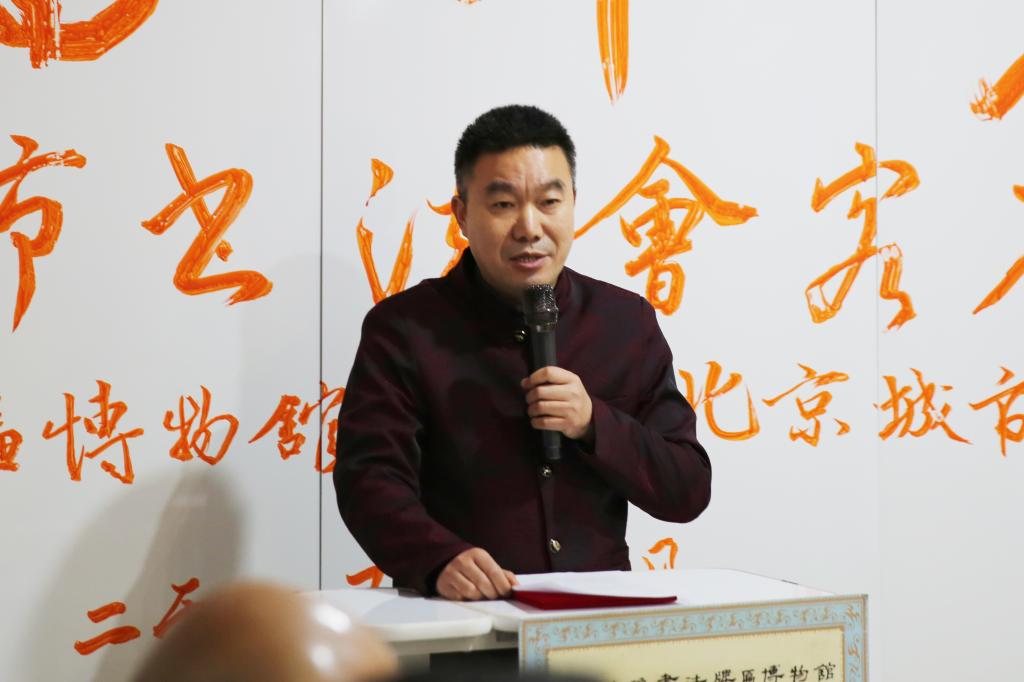
Zhang Zhanli introduced BCU's achievements in the construction of the calligraphy discipline, faculty development, and talent cultivation. He also outlined prospects for deepening teaching reform, expanding practical fields, and promoting the innovative development of calligraphy art in the future, relying on the "Beijing City Calligraphy Studio & Gallery."
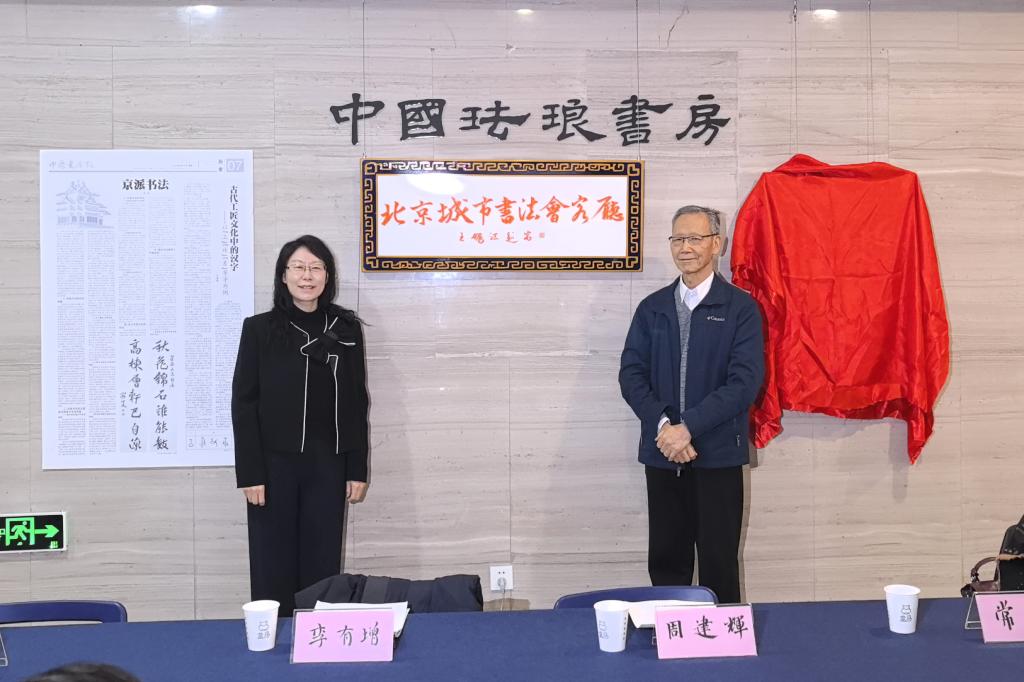
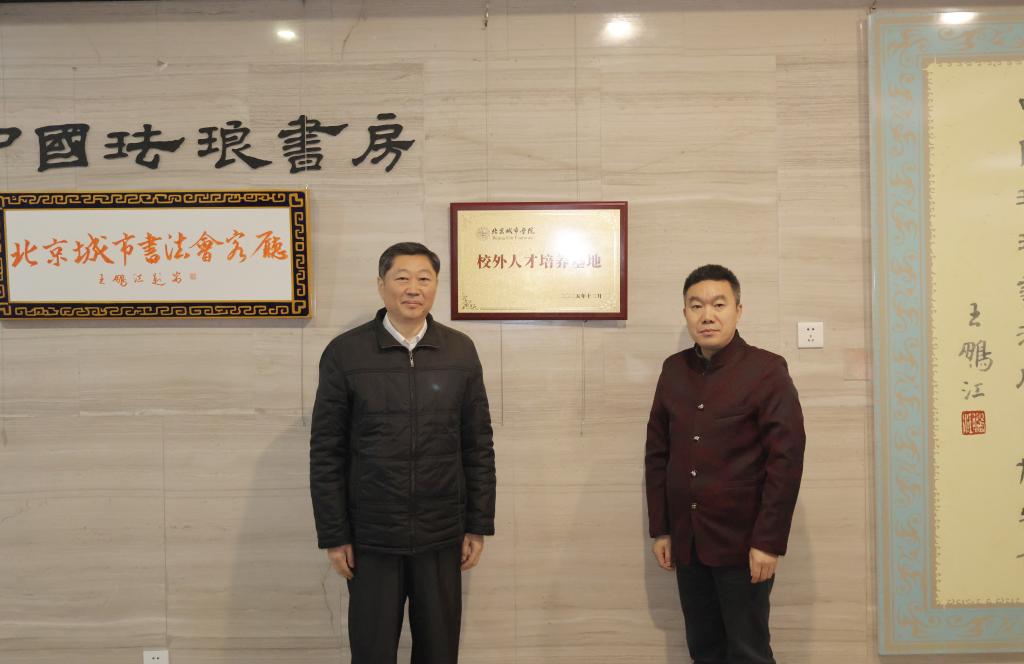
During the ceremony, Guo Zhenyou and Zhou Jianhui jointly unveiled the plaque for the "Beijing City Calligraphy Studio & Gallery." Wang Pengjiang and Zhang Zhanli unveiled the plaque for the "Beijing City University Off Campus Talent Cultivation Base." All teachers from the Academy of Calligraphy of BCU were appointed as mentors for this base, further participating in the collaborative talent cultivation efforts between BCU and the museum.
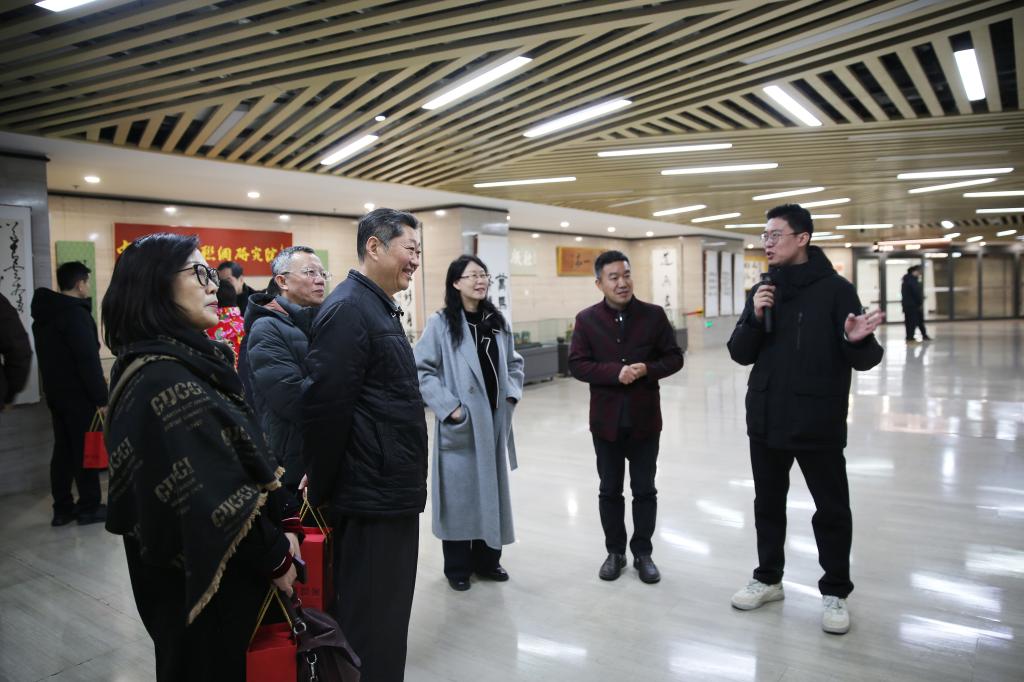
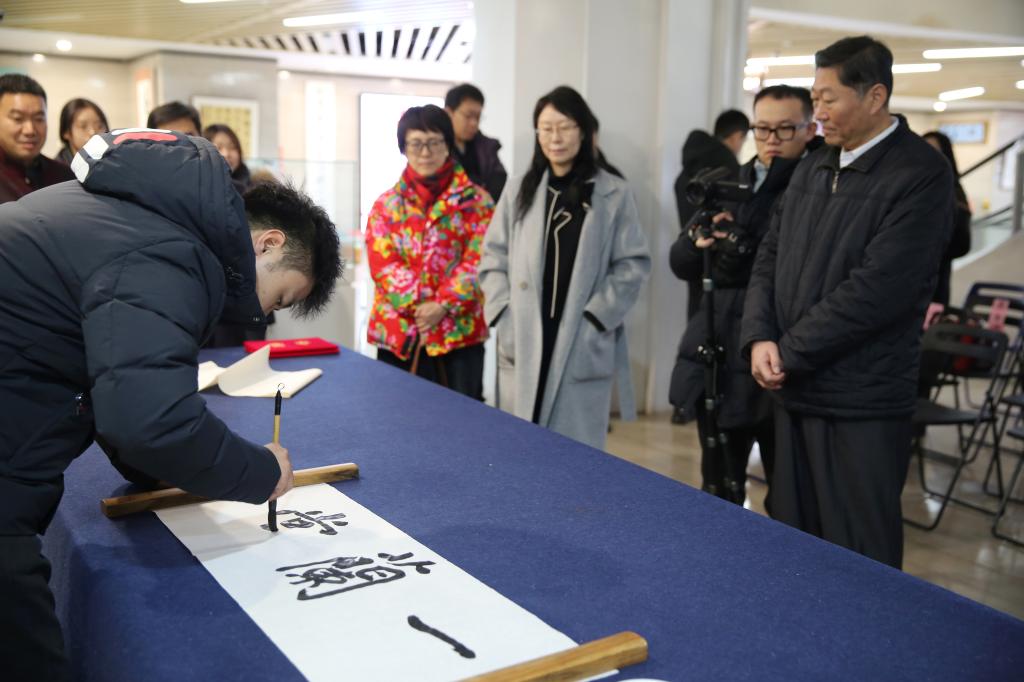
After the ceremony, guests, along with teachers and students, jointly visited the New Year Calligraphy Invitational Exhibition. The exhibition showcased calligraphy creations by teachers and students centered on the theme of the Year of the Horse Spring Festival, with works encompassing various scripts including seal, clerical, regular, running, and cursive. A calligraphy workshop was also held on site, where teachers, students, and guests expressed their feelings with ink, passing on the spirit of calligraphy through interactive exchanges.
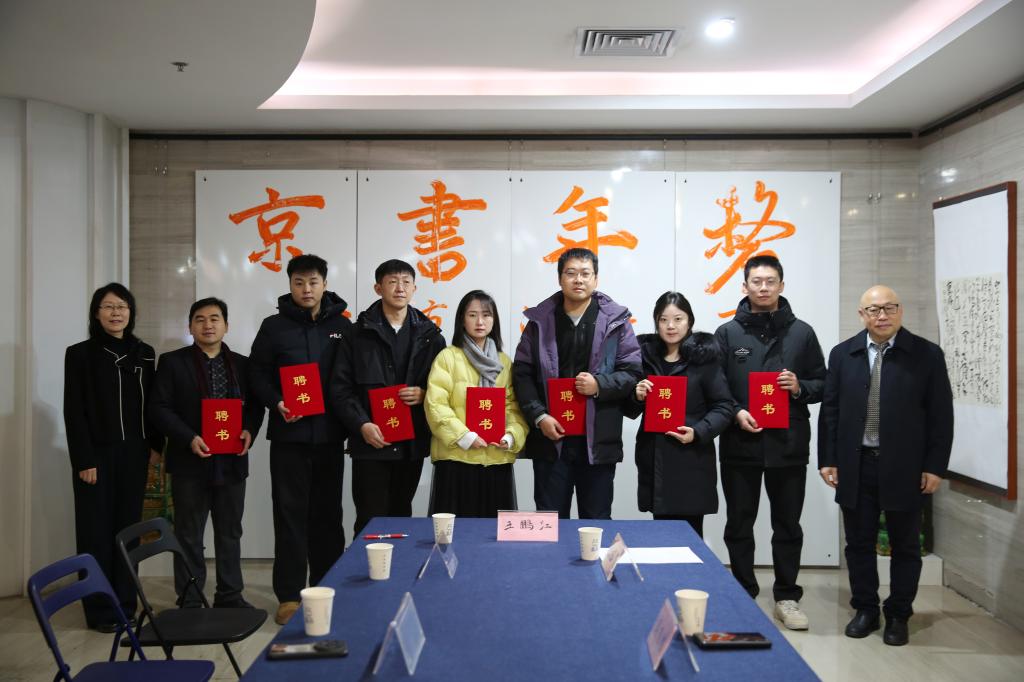
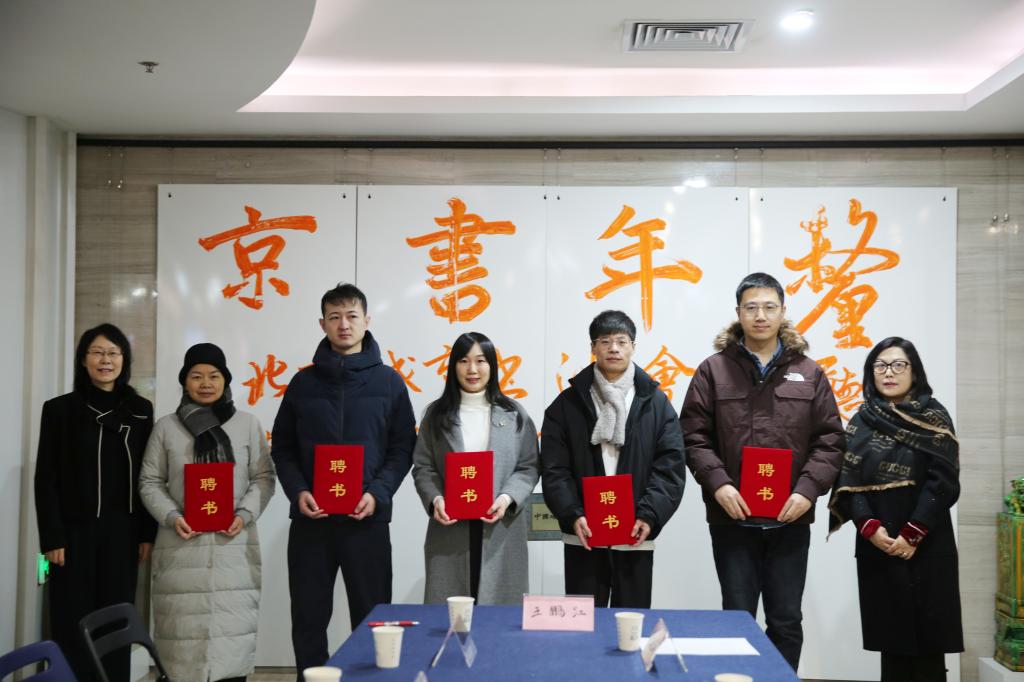
The establishment of the "Beijing City Calligraphy Studio & Gallery" builds a bridge for communication between tradition and modernity, art and life, and the university and the city. It is an important measure for BCU to deepen the integration of industry and education and promote the creative transformation and innovative development of excellent traditional Chinese culture. In the future, BCU will continue to rely on such platforms to expand social practice channels, strengthen the construction of a "dual-qualified" faculty, cultivate more talents with profound cultural heritage and solid practical abilities, and contribute professional strength to serving the construction of Beijing's national cultural center.