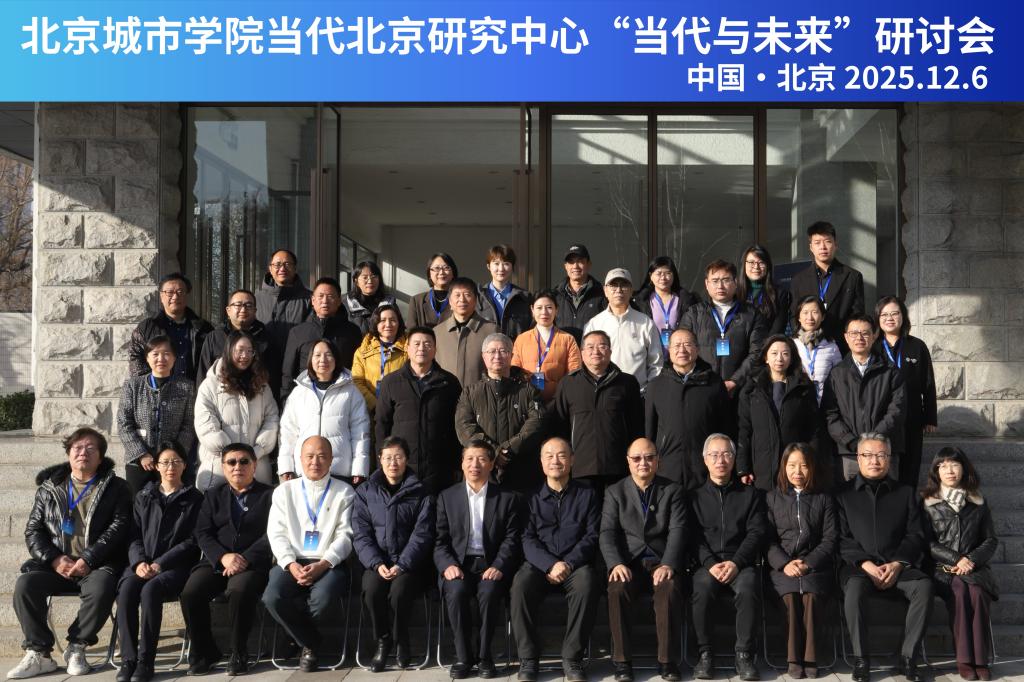
On December 6, the establishment ceremony of Beijing City University's (BCU) Contemporary Beijing Research Center (CBRC) was held at the Zhongguancun Innovation Think Tank Center. Rong Dali, Senior Inspector of the Beijing Municipal Social Science Federation and Beijing Municipal Social Science Planning Office, Guo Guangsheng, Chair of the Academic Committee of BCU, and Yuan Fang, President of the Contemporary Beijing History Research Association attended the ceremony. The event was hosted by Chen Hong, Director of the Office of Scientific Research and Social Services of BCU. The CBRC is based at BCU’s School of International Culture and Communication (SICC). Its establishment represents another initiative by BCU to build a high-level think tank platform aligned with Beijing’s "Four Centers" functions.
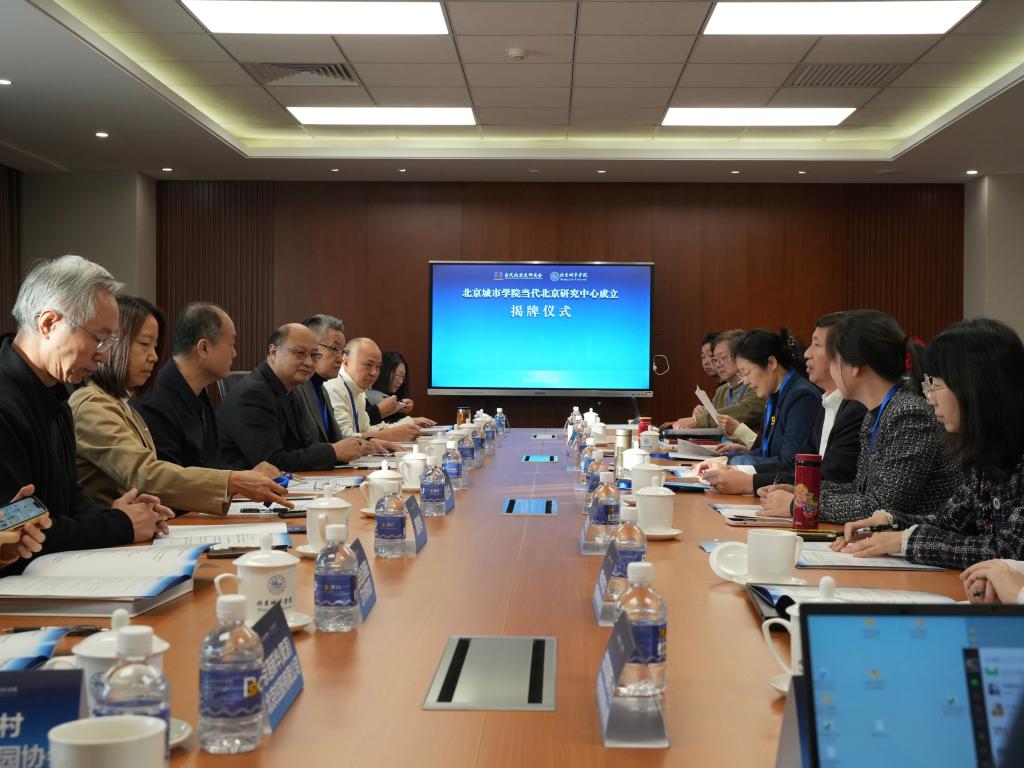
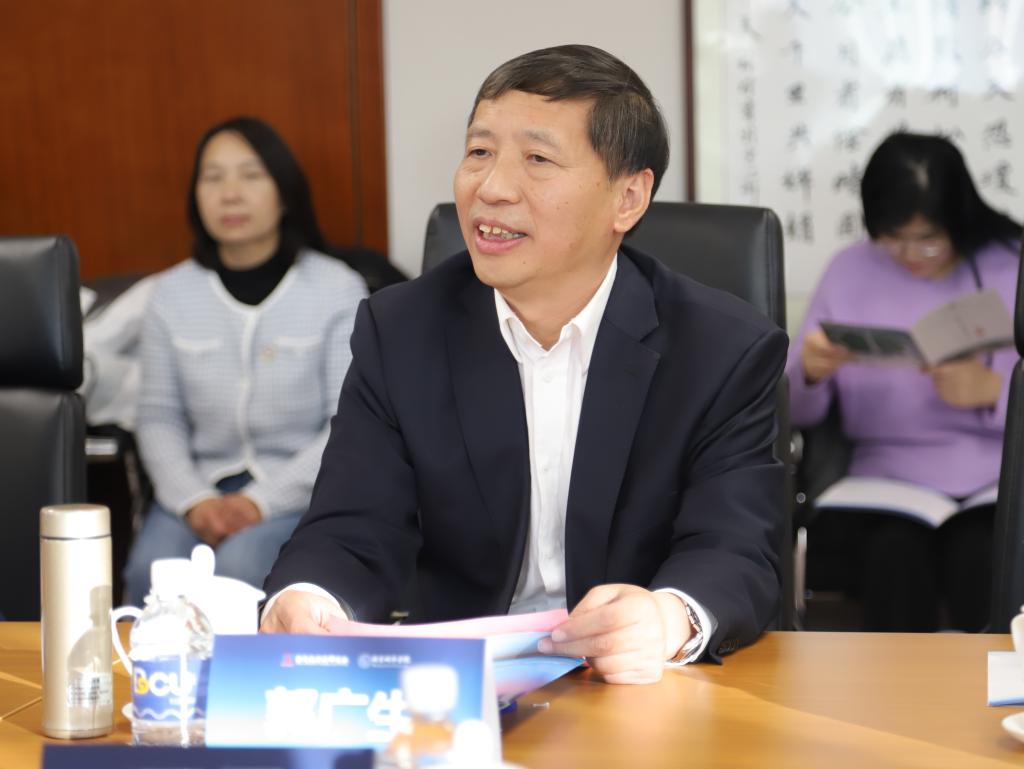
Guo Guangsheng delivered the opening speech. He emphasized that BCU has consistently adhered to the research orientation of "rooted in Beijing, studying Beijing, and serving Beijing." The CBRC’s establishment not only deepens this core positioning but also embodies an innovative practice of BCU collaborating with social organizations to empower the capital’s development. He proposed three key priorities: focus on high-level think tank construction, establish regular communication mechanisms with relevant government departments for targeted decision-making consultation; develop distinctive research management mechanisms to cultivate young academic talent through strong partnerships; and build an open, diverse academic exchange platform to stimulate research vitality. BCU will also actively encourage faculty from relevant disciplines to participate in the CBRC’s innovative practices, supporting its development as an academic platform with distinctive mechanisms, think tank functions, and an open platform.
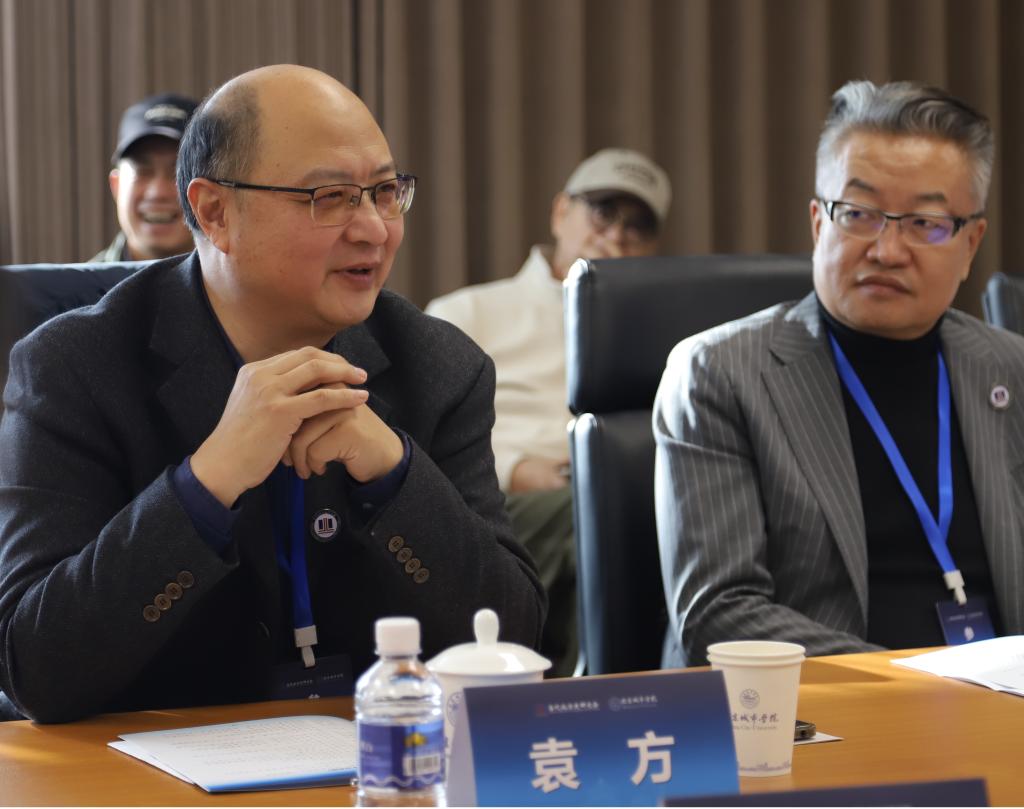
Yuan Fang highlighted three core issues requiring resolution post-establishment: bridge the gap between contemporary historical research and practical needs—research must address real urban development challenges, not merely document review; integrate resources and practice by combining the research association’s social resource advantages with BCU’s talent and disciplinary strengths; and clarify research focus by prioritizing Beijing’s development as a national cultural and technological innovation center to form a well-defined, complementary research system.
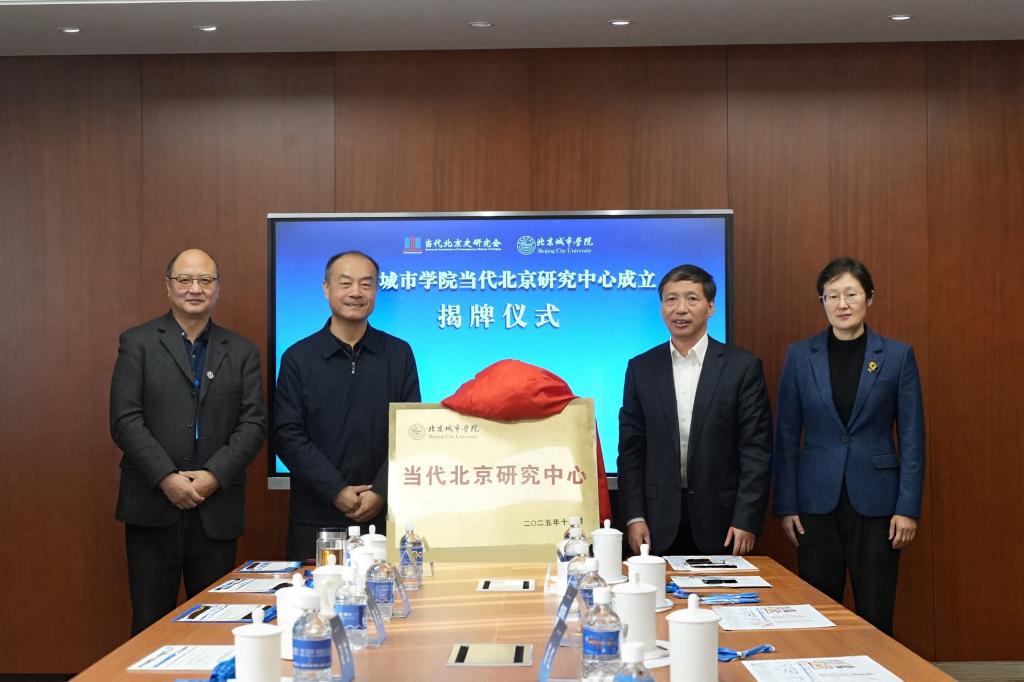
With enthusiastic applause, Rong Dali, Guo Guangsheng, Yuan Fang, and Chen Hong jointly unveiled the CBRC plaque, marking the official launch of this high-level think tank platform dedicated to Beijing’s cultural construction.
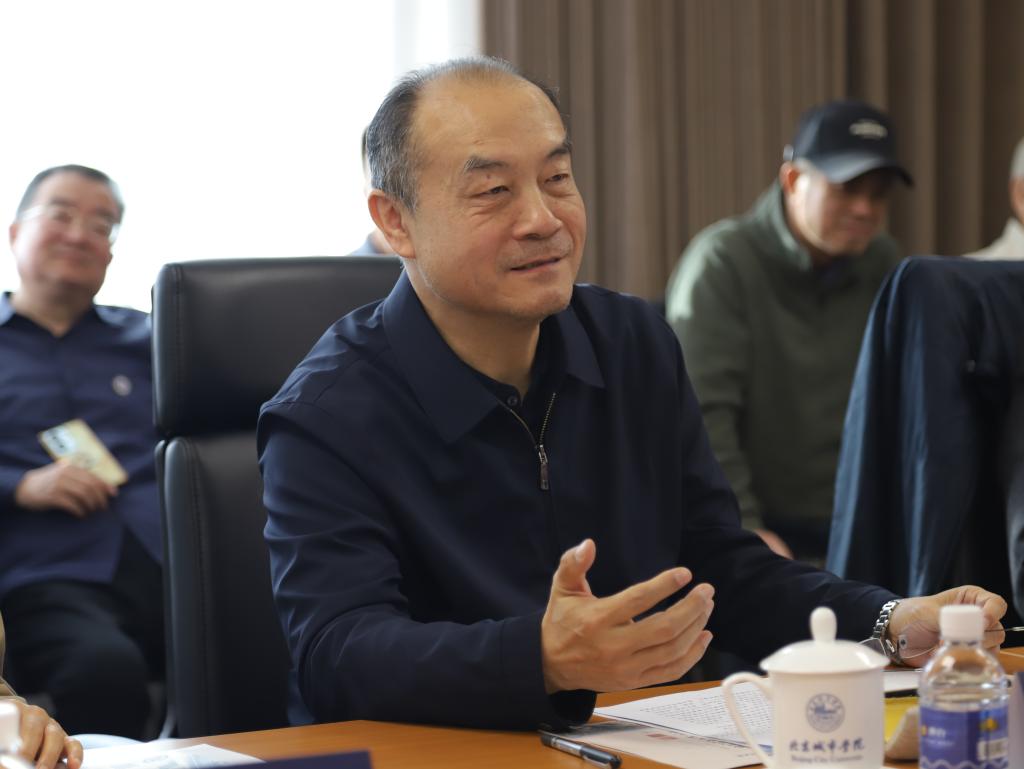
Rong Dali expressed warm congratulations on the CBRC’s establishment. He noted it represents an innovative practice of social organizations and universities integrating resources under the Social Science Federation’s promotion, holding "ice-breaking" significance. He outlined three expectations: align closely with needs by providing decision-making consultation on major issues such as Beijing’s "15th Five-Year Plan" formulation, optimization of capital functions, and modernization of urban governance; uphold high standards in construction through resource integration, scientific planning, and high-quality, in-depth research outputs; and strengthen talent development by leveraging university advantages, establishing graduate research stations, and hosting academic lectures to cultivate young researchers with solid theoretical and practical expertise.
Following the ceremony, the "Contemporary and Future" Seminar commenced, featuring scholarly presentations on cultural research.
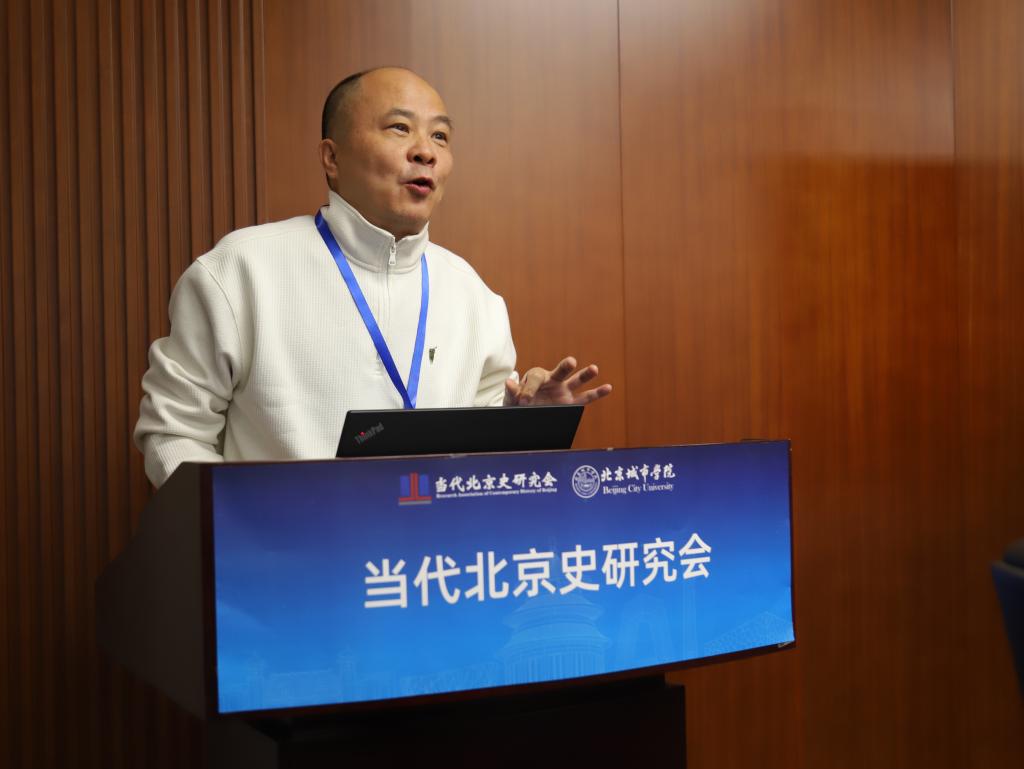
Wang Anliu, Vice President of the Contemporary Beijing History Research Association, presented "National History and Genealogy in the Classic of Mountains and Seas," interpreting the text through three dimensions: interesting, dramatic, and substantial.
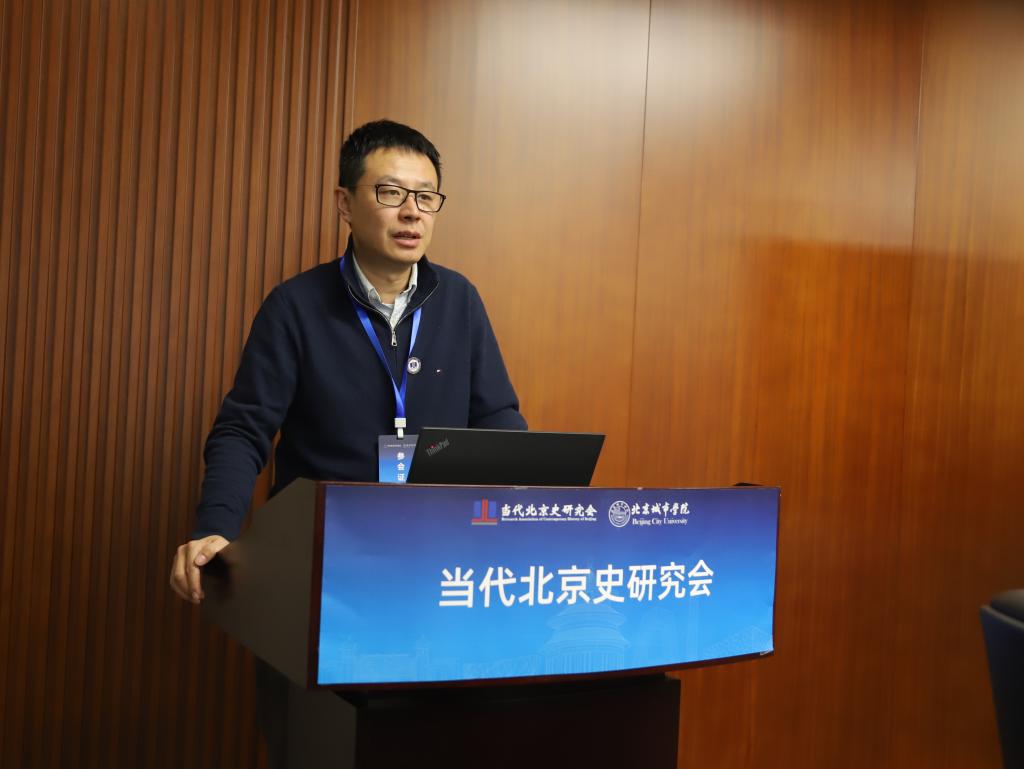
Professor Dai Juncheng of Central University of Finance and Economics delivered "Cultural Geography Serving National Cultural Strategy: Insights from the Grand Canal National Cultural Park," systematically analyzing the park’s value coupling, spatial distribution, urban information flow networks, and knowledge collaboration networks from a geographical perspective.
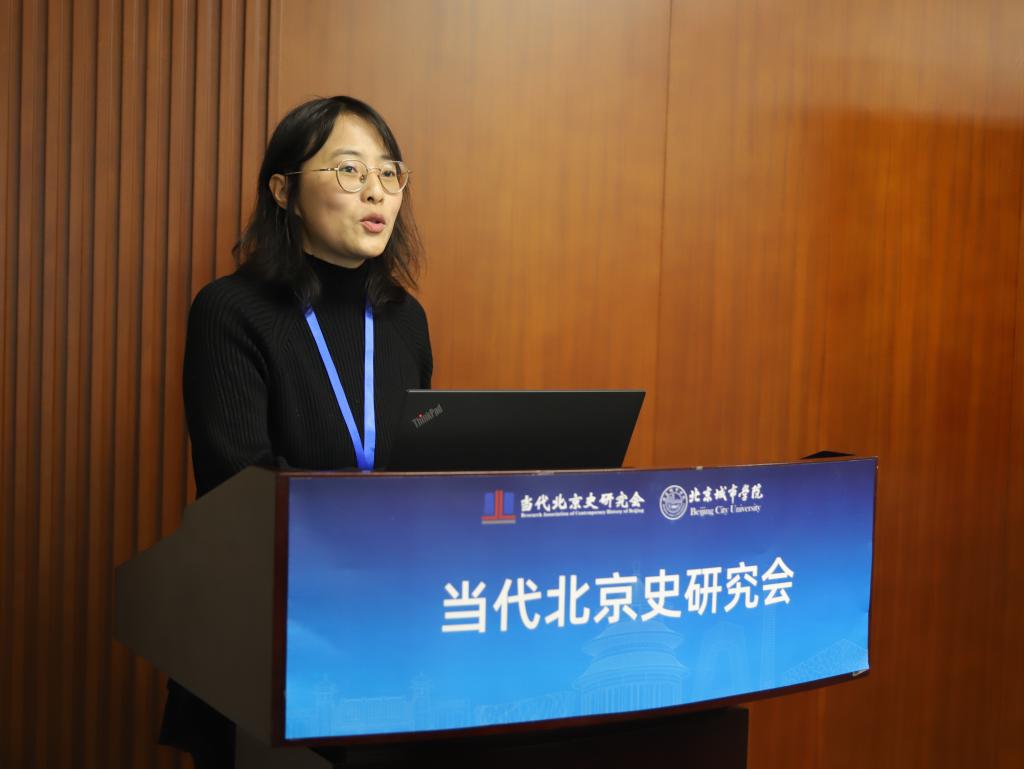
Bao Yuanyuan, Deputy Director of the CBRC of BCU and Associate Professor at BCU’s SICC, presented "From 'Space' to 'Place': A Study on the Cultural Dissemination Power and Community Building Functions of Street-Level Community Libraries." This report detailed the CBRC’s research for the Beijing Municipal Culture and Tourism Bureau, focusing on optimizing grassroots public cultural service models during Beijing’s "15th Five-Year Plan" period through empirical studies of community libraries and cultural centers.
The CBRC’s establishment signifies further refinement of BCU’s collaboration mechanism with social organizations and the creation of a platform for industry-academia-research innovation. Moving forward, the CBRC will continuously integrate high-quality internal and external resources to become a think tank supporting high-quality cultural development in Beijing, contributing greater strength to the city’s cultural advancement.