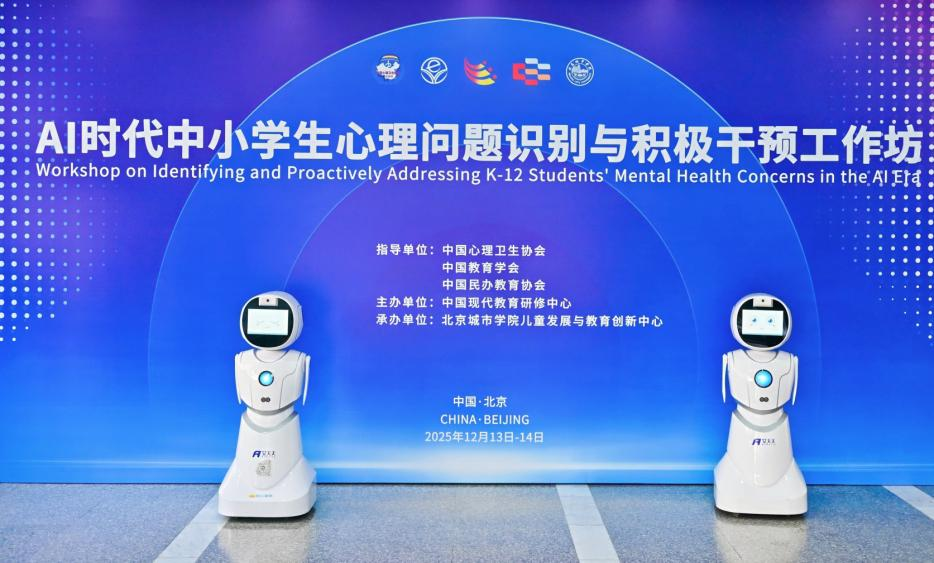
In precise response to the emerging challenges and practical demands in the field of mental health education for primary and secondary students in the AI era—and to systematically enhance educators’ professional competencies in identifying and positively intervening in psychological issues—the workshop “Identifying and Positively Intervening in Psychological Issues Among Primary and Secondary Students in the AI Era” was successfully held at the Zhongguancun Innovation Think Tank Center on December 13–14.
The training brought together leading scholars and experts from world-renowned institutions, including the University of Oxford (UK) and Beijing Normal University. A total of 178 participants—including school principals, moral education directors, frontline teachers, school counselors, as well as university faculty and researchers specializing in related fields—from 12 provinces across China gathered to jointly explore innovative approaches and practical strategies for student mental health education in the context of AI-driven transformation.
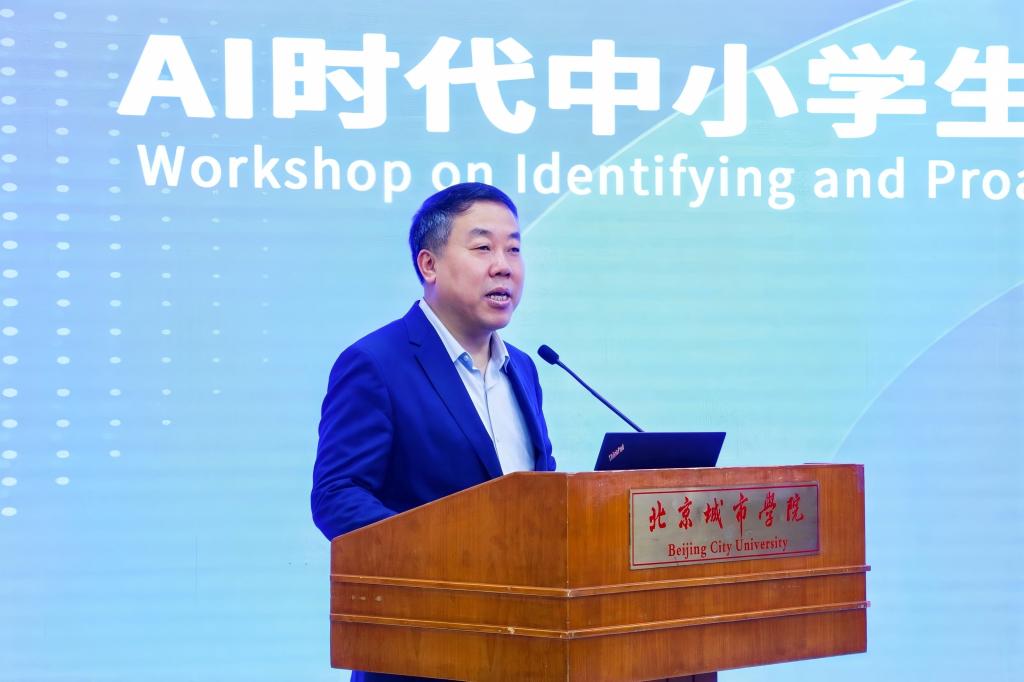
On the morning of December 13, Liu Lin, President of Beijing City University and President of The Chinese Association for Non-Government Education (CANGE), delivered the opening remarks.
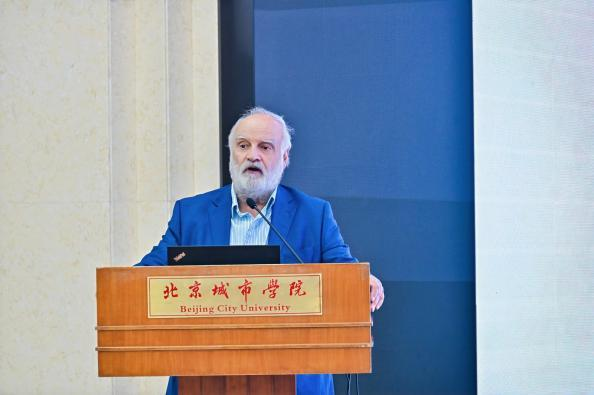
During the keynote session, Edward C. Melhuish—Visiting Professor at BCU, Professor of Human Development at the University of Oxford, Officer of the Order of the British Empire (OBE), and Fellow of the Academy of Social Sciences (UK)—presented a keynote speech titled “How Brain Science Helps Us Understand the Developmental Patterns of Children and Adolescents.” Drawing on foundational research in neuroscience, he offered an in-depth analysis of the core mechanisms underlying adolescent development.
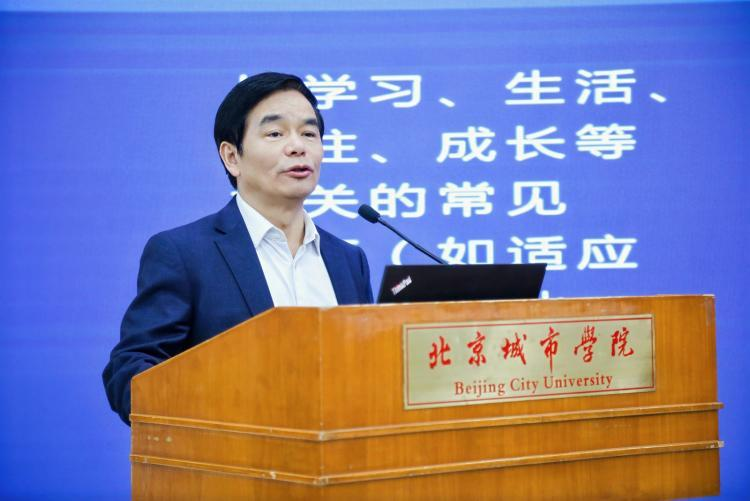
Following this, Dong Qi, former President of Beijing Normal University and Chair of the Academic Committee at the State Key Laboratory of Cognitive Neuroscience and Learning, delivered a presentation entitled “Understanding Brain and Cognitive Development to Promote Healthy Student Growth.” He systematically outlined the latest scientific findings on brain-cognitive development and elucidated practical pathways for translating these insights into primary and secondary education settings.
The presentations by both experts—grounded in cutting-edge science yet closely aligned with educational practice—provided participants with a robust, evidence-based framework for understanding the psychological and neurodevelopmental trajectories of children and adolescents.
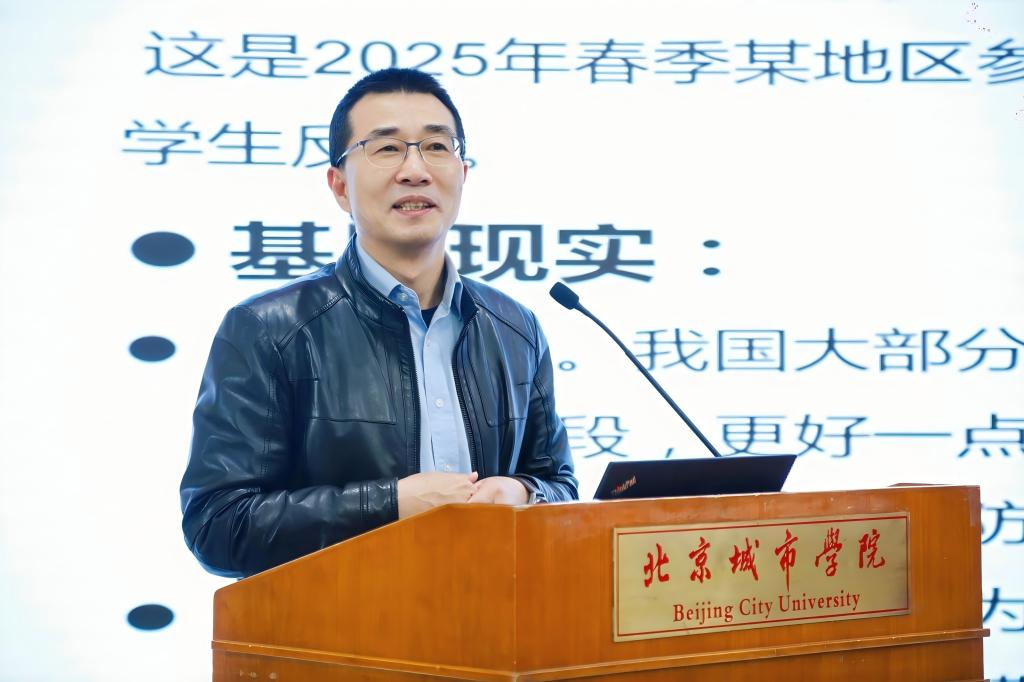
In the afternoon, Professor Wang Weijun—Chief Expert of BCU’s Center for Child Development and Educational Innovation and Head of the Psychology Discipline—delivered a session from the perspective of research and practice, focusing on the topic “AI-Powered Adaptive Assessment Methods for Adolescent Mental Health and Their Applications.”
He elaborated on an innovative model that deeply integrates artificial intelligence with mental health assessment, highlighting how AI-driven adaptive technologies can enhance the precision, efficiency, and personalization of psychological evaluation. His presentation offered participants valuable technical insights and practical references for applying cutting-edge AI tools in real-world educational and counseling contexts.
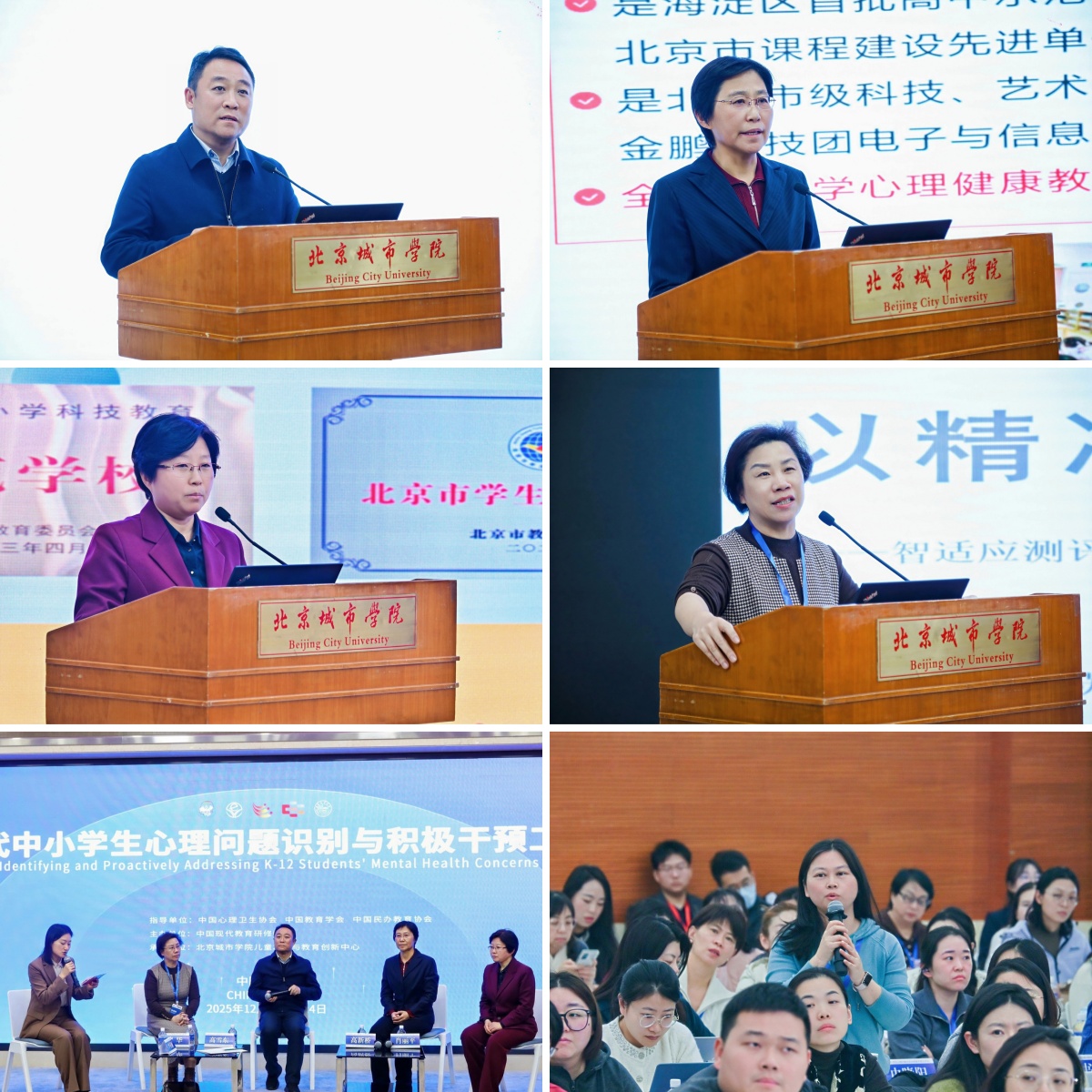
Additionally, a group of frontline education practitioners shared practical insights and case studies that effectively bridged theory and practice: Gao Xuedong, Secretary of the Party General Branch and Director of the Haidian School District Management Center; Gao Xinqiao, Party Secretary of Beijing No. 19 High School, Senior-Level Teacher, and Distinguished Principal; Liu Hua, Former Principal of Shengxi Middle School in Yixing City and Current Accountability Inspector for the Yixing Municipal Education Bureau; Xiao Liping, Director of Educational Research at Hangtian Tuqiang Elementary School in Haidian District, Beijing
Drawing on their extensive field experience, they presented concrete examples covering: Building support systems for children with autism spectrum disorder, implementing positive psychology–based educational models, standardizing school-wide mental health screenings.
These real-world cases demonstrated how evidence-based approaches can be effectively operationalized in diverse educational settings.
During the interactive discussion session, participants engaged in in-depth dialogue on pressing practical challenges, including: Establishing support systems for children with special needs in resource-constrained county-level regions, optimizing positive psychological intervention strategies for adolescents, safeguarding data privacy in school-based mental health screenings, adapting AI-powered psychological education tools for younger students.
The panelists provided targeted responses and offered actionable implementation plans, fostering a dynamic exchange of ideas. The session was marked by an intense atmosphere of learning and highly productive interaction among attendees.
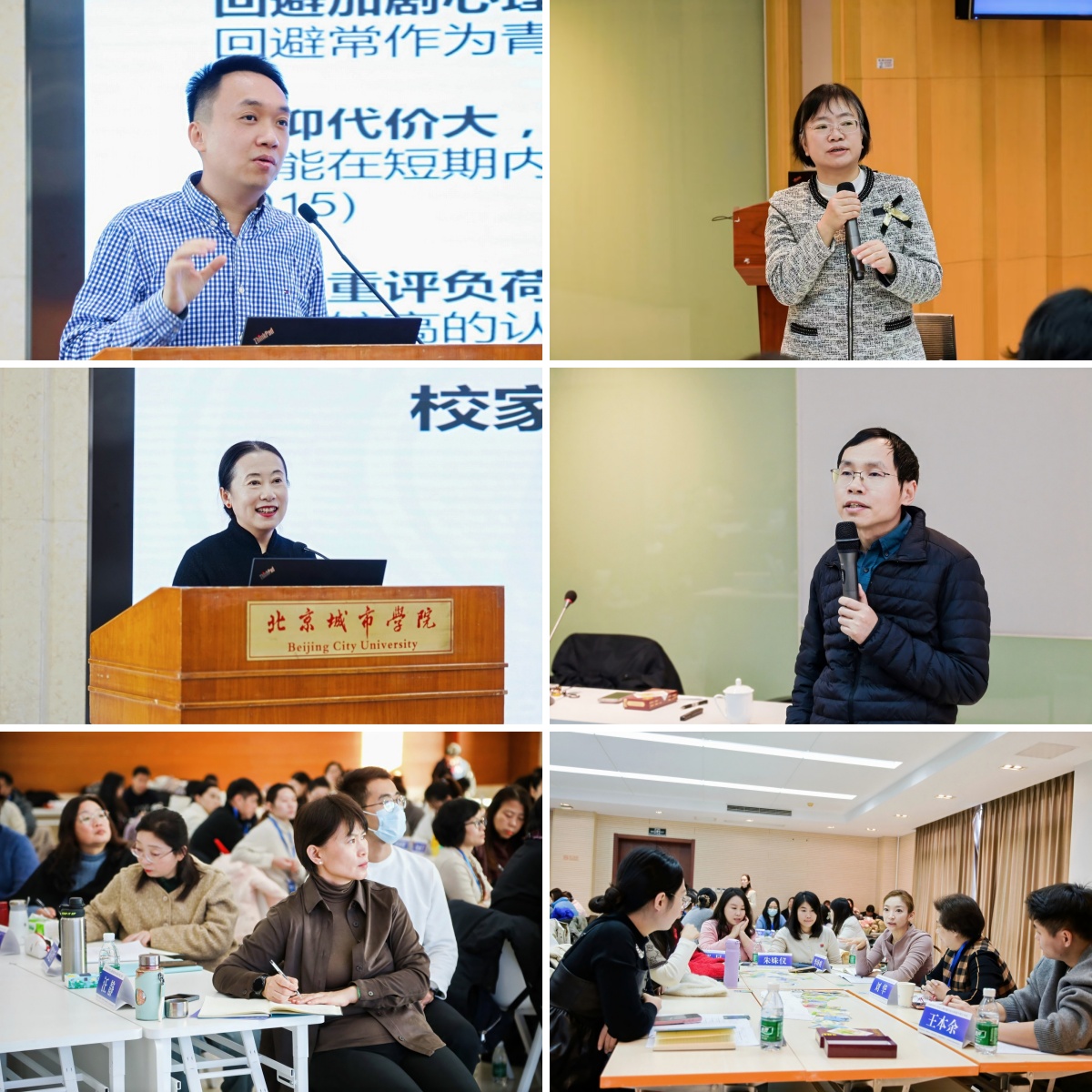
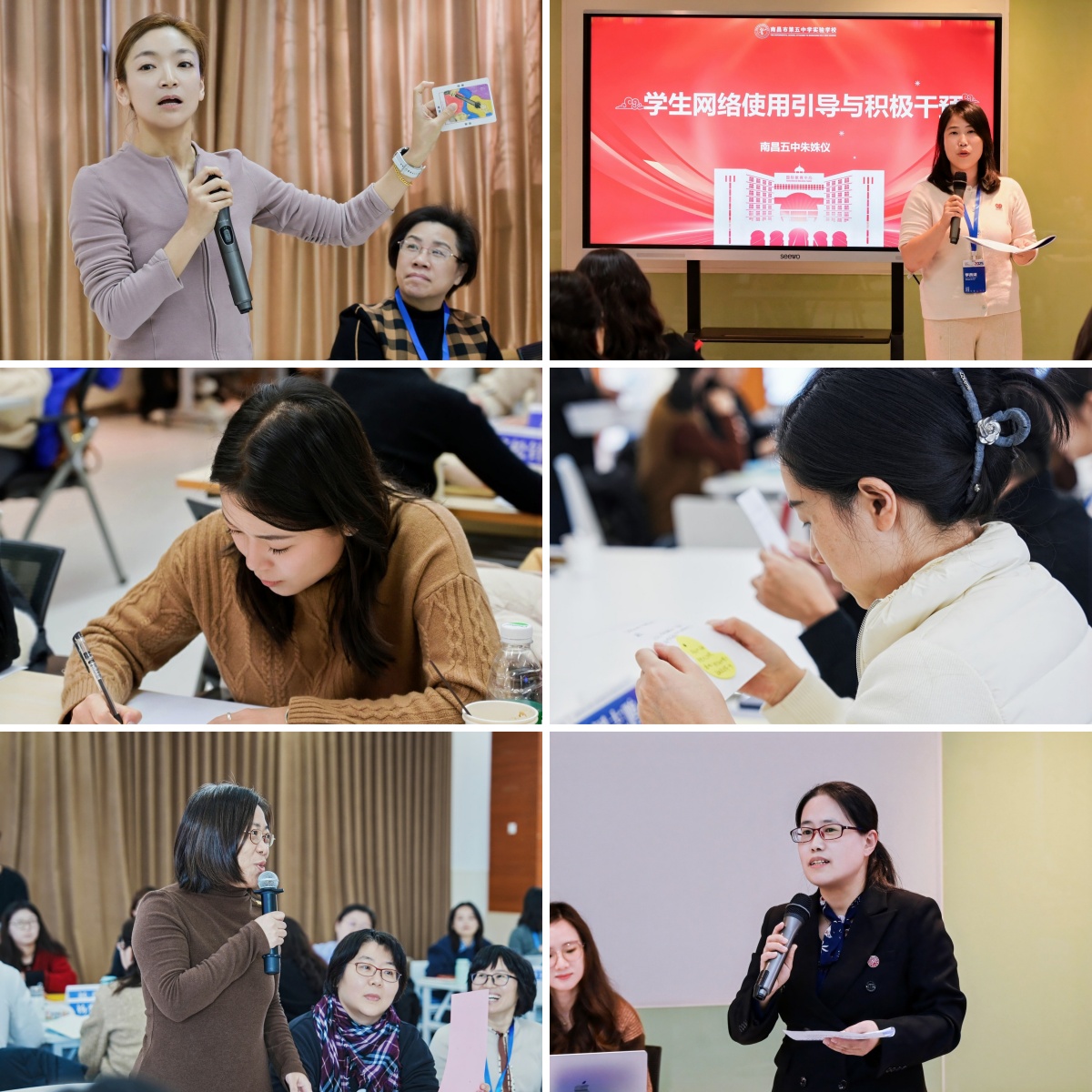
On the 14th, four parallel thematic workshops were conducted simultaneously, focusing precisely on four core areas: emotional regulation among adolescents, management of academic stress, guidance on internet usage, and fostering collaborative education between home and school. These workshops aimed to deepen the training content towards greater specialization and practical application.
Each workshop was hosted and facilitated by faculty members from BCU's Education Department, with additional insights provided by distinguished guest speakers:
Professor Hu Ping, from the Psychology Department at Renmin University of China, doctoral supervisor, and Director of the Development Committee for the Philosophy and Cognitive Science Interdisciplinary Platform, presented on the theme of "Digital Behavioral Health: Guidance and Positive Interventions in Student Internet Usage." He discussed cutting-edge concepts and practical strategies.
Professor Kang Liying, from the College of Preschool Education at Capital Normal University and Deputy Director and Secretary-General of the Family Education Center under the Ministry of Education’s Concerned Officials Committee, elaborated on "Policy Basis and Practical Exploration for Mechanisms of Collaborative Education Among School, Family, and Society."
Associate Professor Zhuang Mingke, Deputy Director of the Student Mental Health Education and Counseling Center at Peking University, shared the "Solution-Focused Approach: Core Methods for Promoting Mental Health and Well-being."
Associate Researcher Liu Guanmin, from Tianjin University’s Applied Psychology Institute, Deputy Director of the Tianjin Suicide Psychology and Behavior Research Laboratory, and master’s supervisor, delivered a session on "Emotional Regulation Among Adolescents: Developmental Characteristics and Self-care Strategies."
The presentations by these experts combined theoretical depth with practical guidance, providing participants with targeted, actionable techniques and solutions that they could implement directly in their work. This comprehensive approach ensured that attendees gained valuable knowledge and skills to support the mental health and well-being of students effectively.
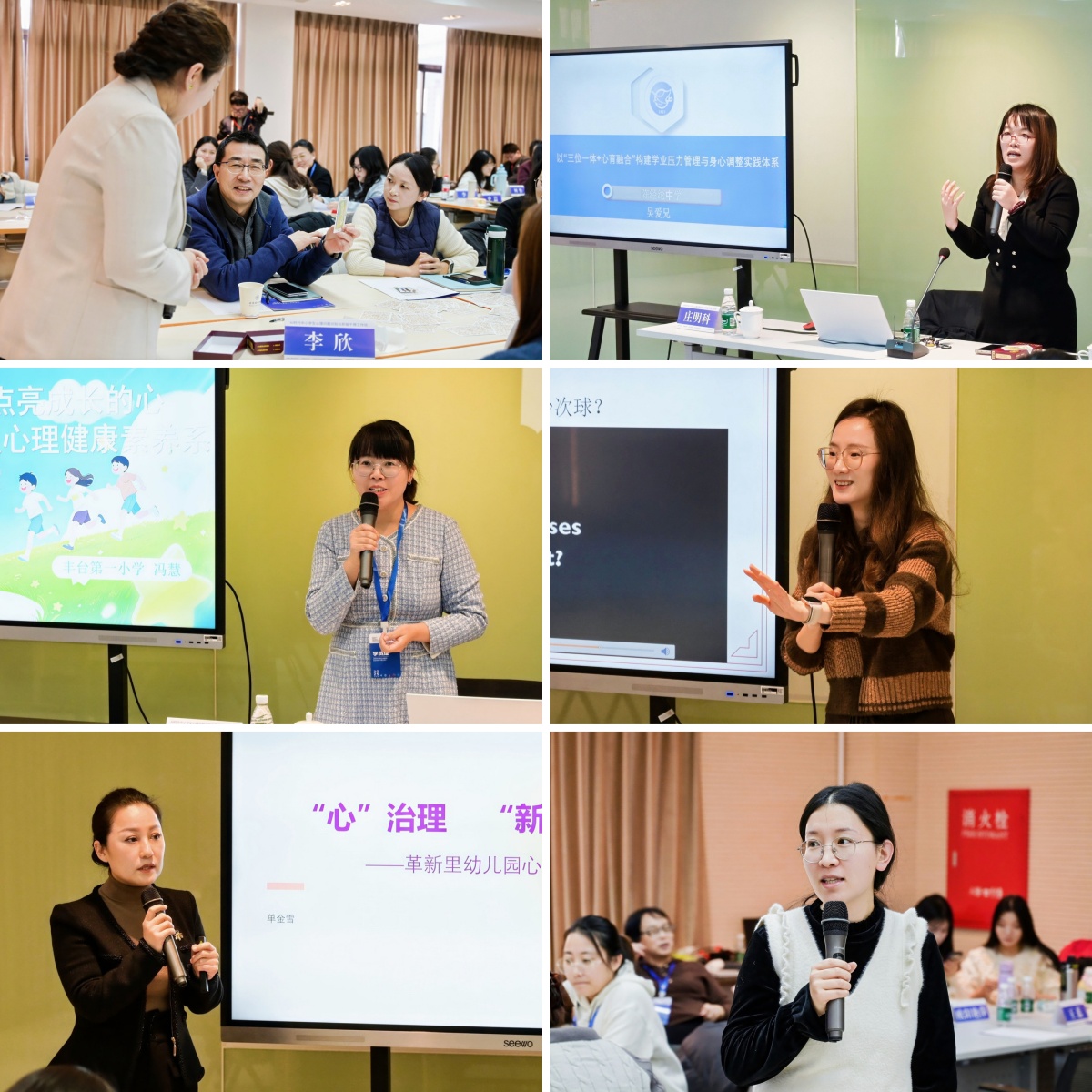
As a high-level, nationwide professional training platform, the successful hosting of this workshop has not only systematically integrated cutting-edge theories and frontline practical experiences in mental health education for primary and secondary students—both domestically and internationally—but also significantly enhanced participants’ professional competencies in identifying and intervening in psychological issues. It further deepened the field’s understanding of how AI technologies can empower mental health education, providing robust support for advancing such work across China toward greater standardization and scientific rigor.
Taking this workshop as a catalyst, BCU will continue to deepen its commitment to the fields of child development and educational innovation. We will further strengthen professional collaborations with leading universities and industry institutions worldwide, accelerate the translation and application of research outcomes in mental health education, and actively contribute to building a national professional community dedicated to the advancement of mental health education for primary and secondary students. Through these efforts, BCU aims to offer sustained expertise and practical wisdom in empowering the healthy growth of young people and advancing high-quality development in education.
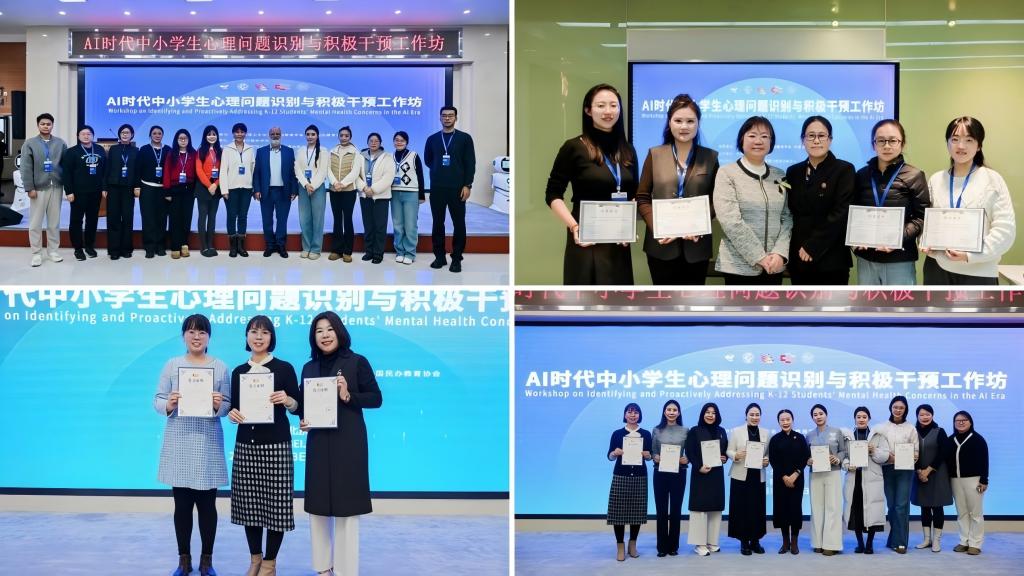
The professional value and practical significance of this training have drawn widespread attention from the education sector and received high acclaim from participants.
Many attendees noted that the strategies and methodologies presented during the workshop can be directly translated into daily teaching and educational practice, effectively addressing real-world challenges such as parent-school communication, student emotional regulation, and academic stress management.
Leading education media outlets—including China Education Online, Tencent Education, and Phoenix Education—covered the event onsite and highlighted its key outcomes, amplifying the impact and reach of the training across the national education community.