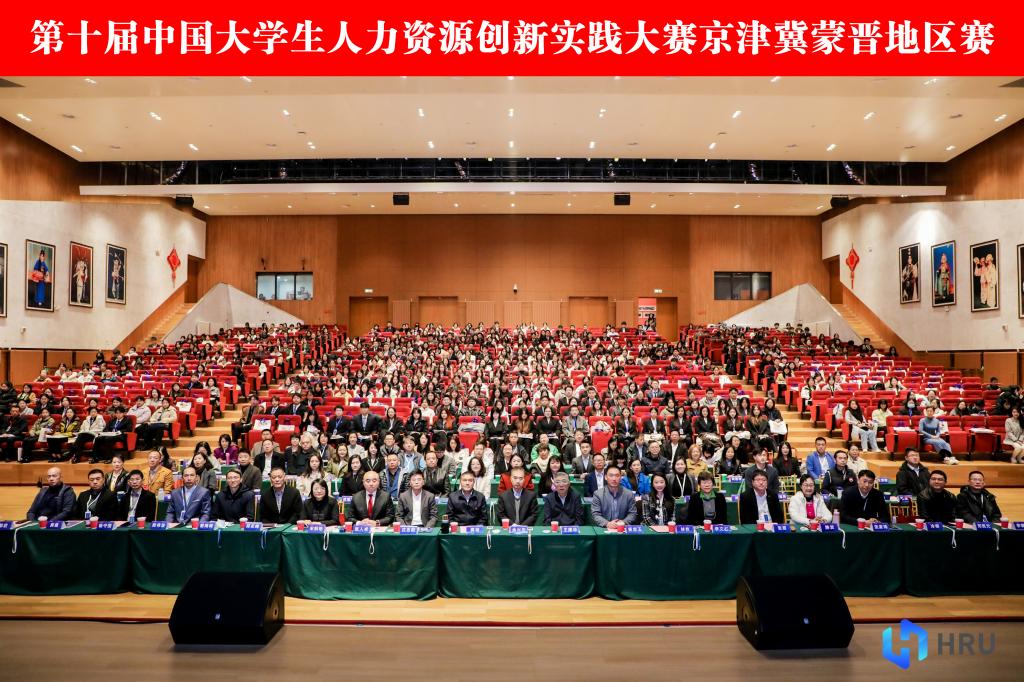
On October 25, the 10th China University Human Resources Innovation Practice Competition (HRU10) — Beijing–Tianjin–Hebei–Inner Mongolia–Shanxi Regional Final was successfully held at the Shunyi Campus of Beijing City University (BCU). The competition was jointly organized by the China Association for Talent Exchange, China University of Labor Relations, and SDIC Human Resources Service Co., Ltd., hosted by BCU, and co-organized by Zhonghe Yunketech Information Technology Group Co., Ltd., Dianmi Network Technology Co., Ltd., Yizhuang Talent Group Human Resources Services Company, and Inner Mongolia Human Capital Operation Co., Ltd. The event received guidance from key institutions including the Beijing Economic-Technological Development Area (BDA) Human Resources and Social Security Service Center, Beijing Human Resources Service Association, China Tianjin Northern Talent Market, Hebei Human Resources Development Research Association, Inner Mongolia Human Resources Managers Association, and Shanxi Human Resources Service Industry Association.
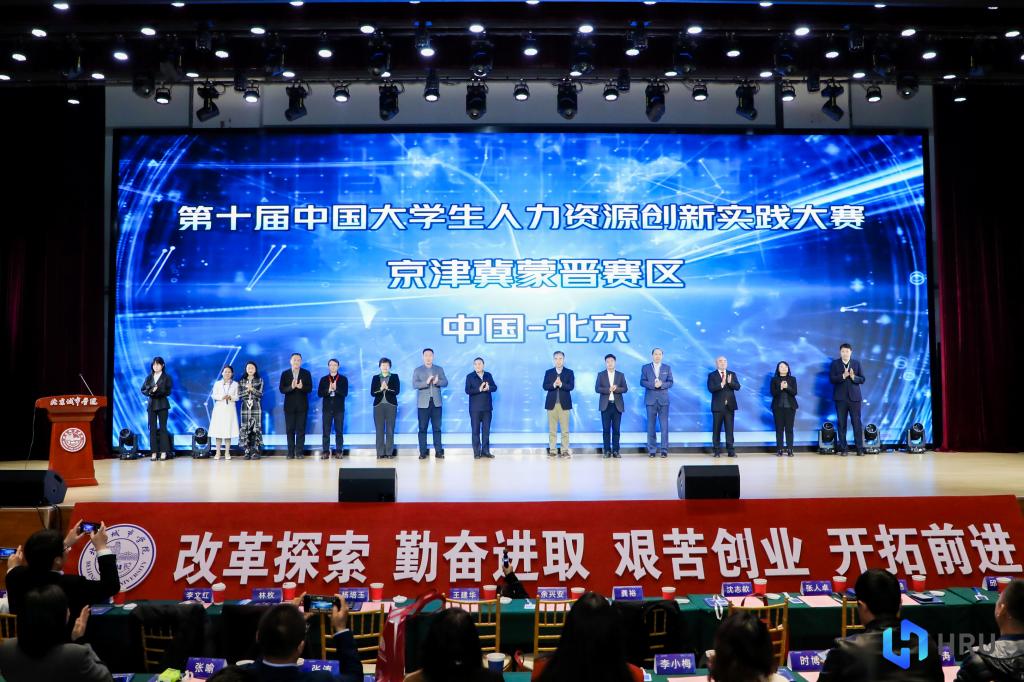
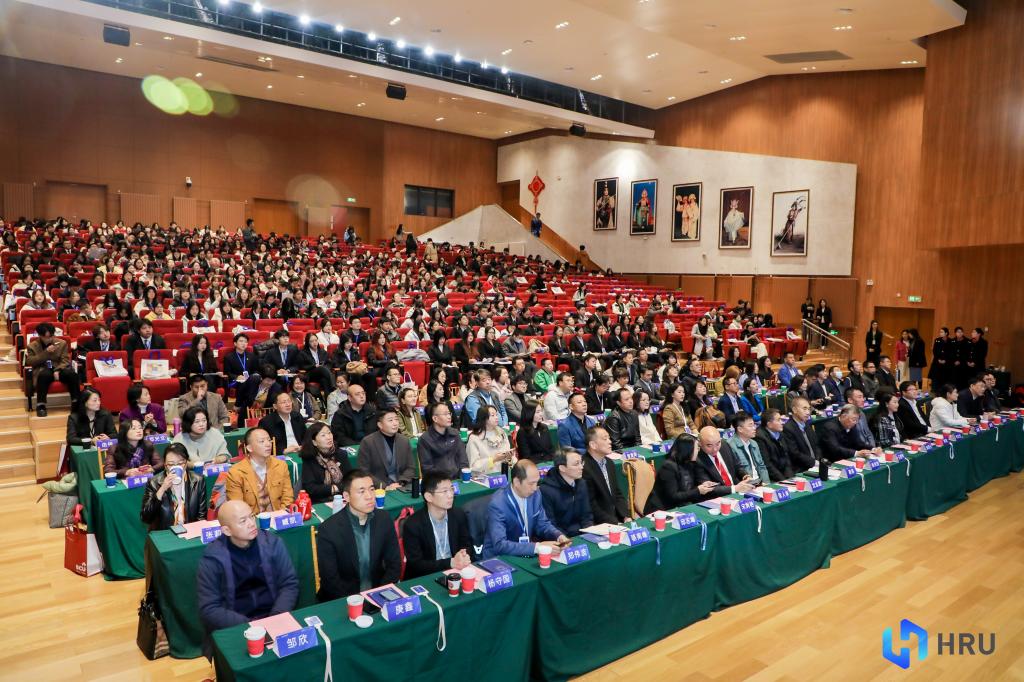
The regional final attracted 36 teams comprising 546 students from 33 universities, including Renmin University of China, Beijing Normal University, Nankai University, Central University of Finance and Economics, Beijing Institute of Technology, China University of Labor Relations, Hebei University of Economics and Business, Hebei University, Entrepreneur College of Inner Mongolia University, Taiyuan Normal University, and BCU. A distinguished panel of judges—comprising entrepreneurs and senior HR executives with extensive industry experience—oversaw the competition, witnessing this premier event in the field of human resources education.
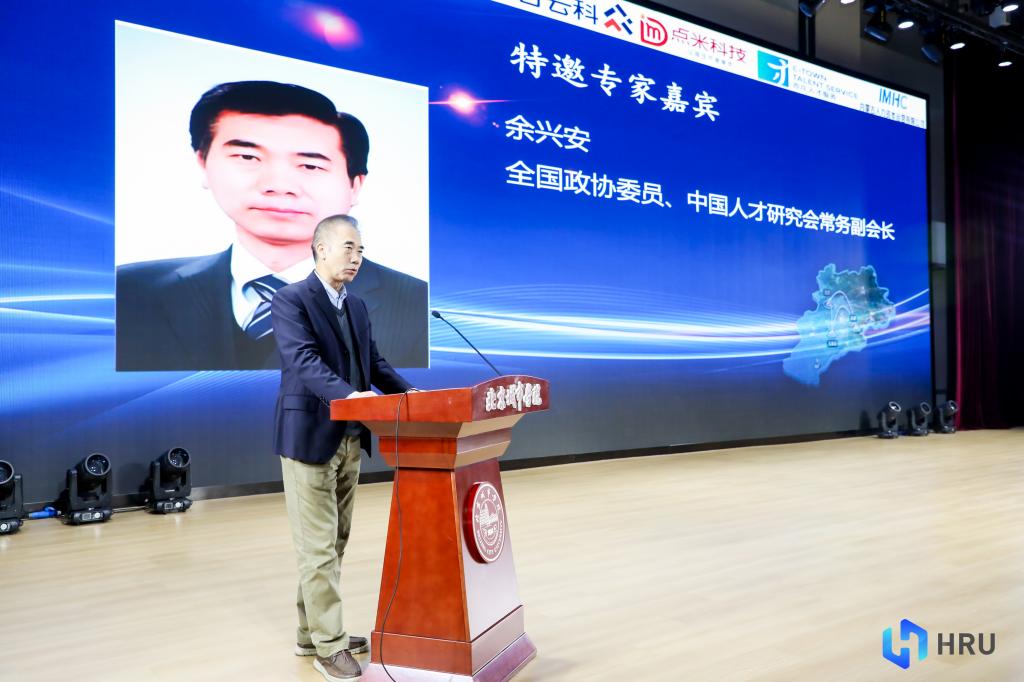
Mr. Yu Xing’an, Standing Vice President of the China Association for Talent Studies and Member of the National Committee of the Chinese People's Political Consultative Conference (CPPCC), emphasized that the competition aims to encourage students not only to solidify their theoretical foundations but also to actively embrace technological transformation. He stressed integrating data analytics, artificial intelligence, and other emerging tools into teaching, ensuring talent development remains aligned with industrial evolution and that academic research directly addresses real-world economic needs.
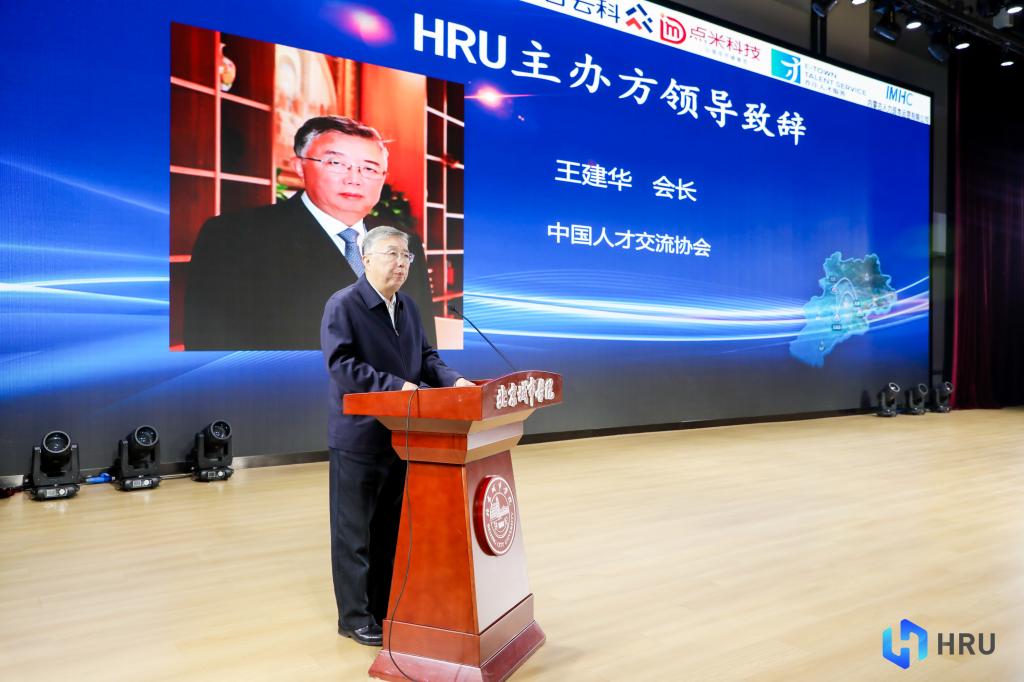
In his opening remarks, Mr. Wang Jianhua, President of the China Association for Talent Exchange, noted that over ten editions, the HRU competition has evolved into a comprehensive platform connecting government, universities, enterprises, and students. He highlighted its consistent alignment with national strategies for building a talent-strong nation and prioritizing employment, while meeting the practical demands of modern HR management and playing a vital role in cultivating innovative, application-oriented, and interdisciplinary professionals.
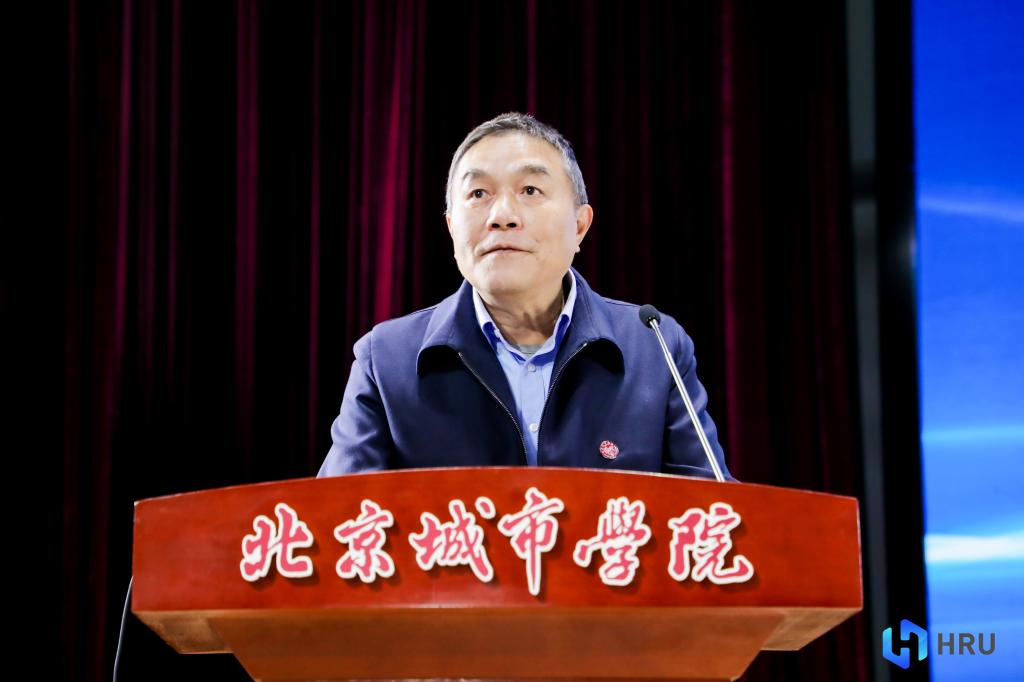
Prof. Gong Yu, Chair of the University Council of BCU, stated that hosting HRU10 reflects strong recognition of the university’s educational quality and overall capabilities. He affirmed BCU’s commitment to leveraging this opportunity to deepen collaboration with universities, enterprises, and industry organizations across the Beijing–Tianjin–Hebei–Inner Mongolia–Shanxi region and jointly explore new models of talent cultivation.
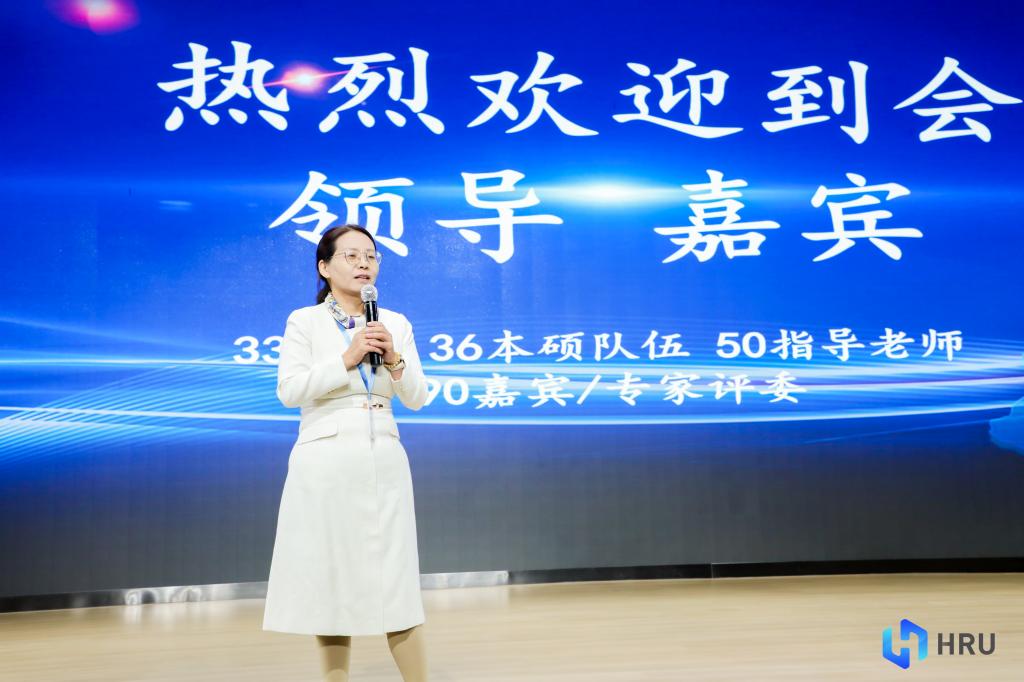
Professor Wang Aimin, Director of the Department of Human Resources at the School of Economics and Management and Director of the Regional Organizing Committee, proposed advancing a new model of industry–education integration through tripartite collaboration among universities, enterprises, and industry associations. She described HRU as a “capability validation platform” that effectively bridges the “last mile” between education and industry needs, empowering the development of versatile, practice-ready talent. On behalf of the organizing committee, she extended warm welcomes to leaders from host, guiding, and co-organizing units, over 20 distinguished guests, and more than 70 expert judges from diverse sectors.
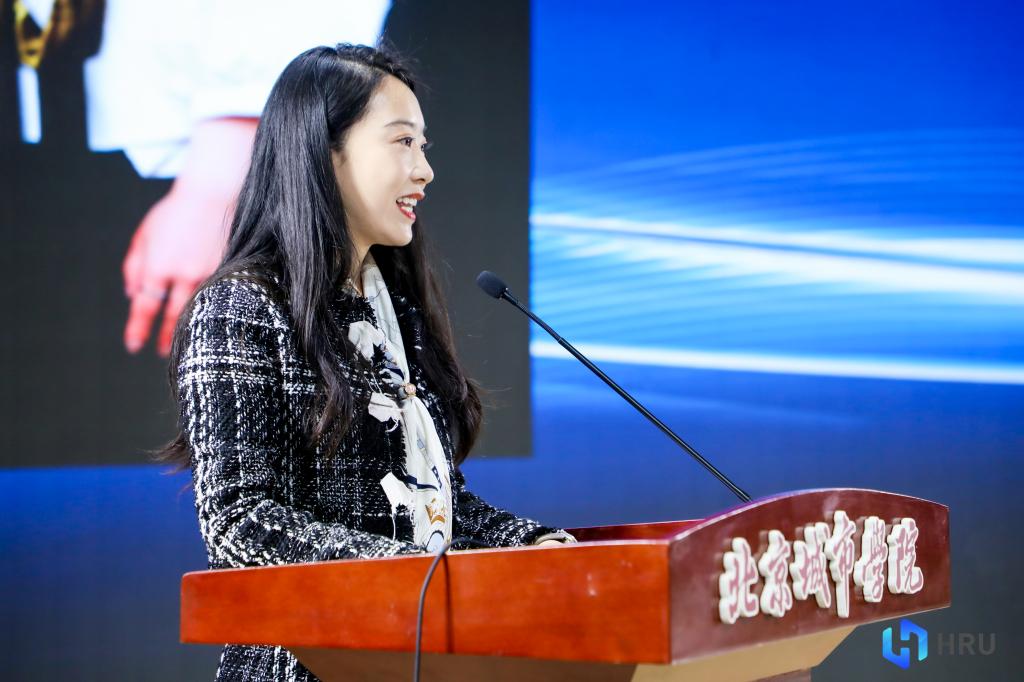
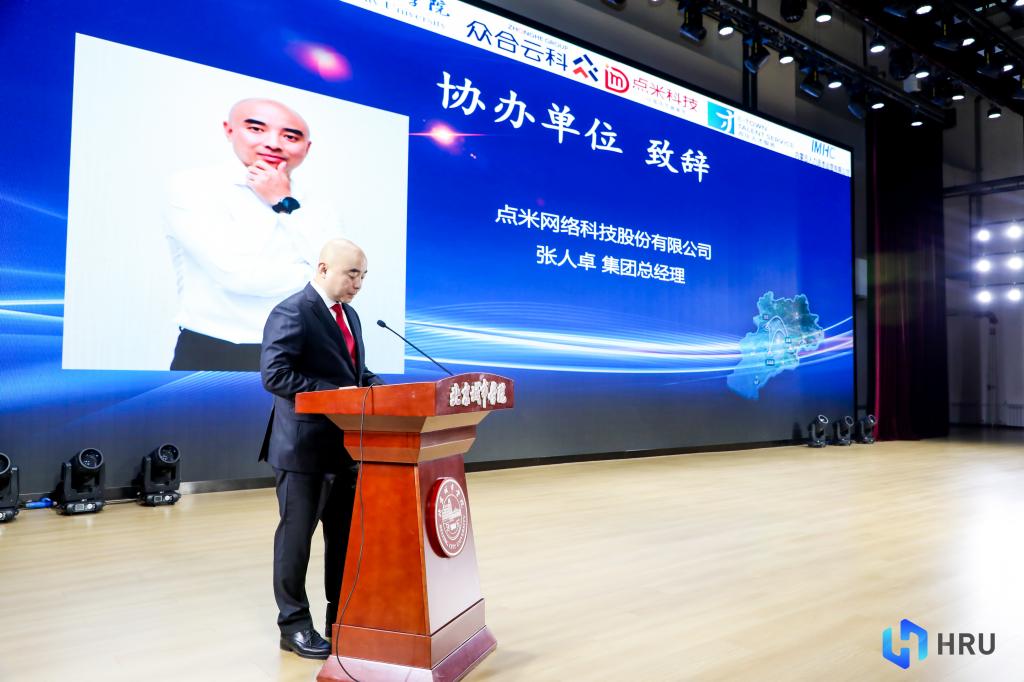
Representatives from co-organizers also shared insights: Ms. Lin Mei, Vice President of Human Resources at Zhonghe Yunketech Information Technology Group Co., Ltd., and Mr. Zhang Renzhuo, General Manager of Dianmi Network Technology Co., Ltd., both spoke on how industry–education integration can enhance graduate employability.
Notably, the regional final featured the nation’s only “HR + Employer Branding” track, co-developed with Yizhuang Talent Group Human Resources Services Company. Leveraging the industrial strengths and employer branding ecosystem of the Beijing Economic-Technological Development Area, and grounded in the integrated “People–City–Industry” development philosophy, this track received unanimous acclaim from participating institutions and judges.
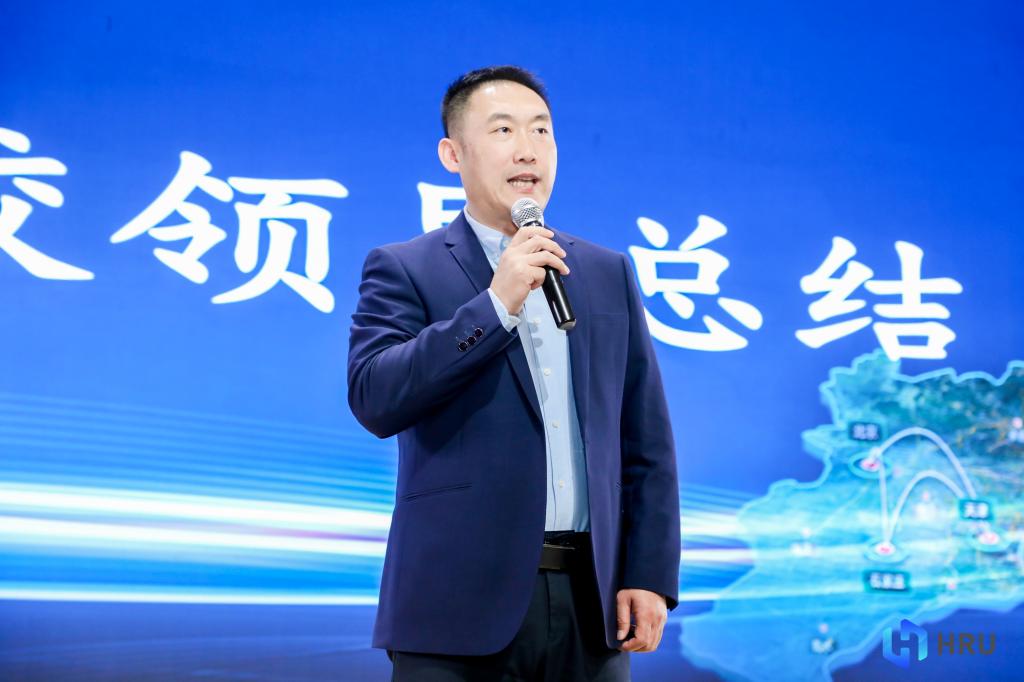
At the closing ceremony, Professor Yang Peiyu, Dean of the School of Economics and Management (SEM) and a member of the University Council, delivered a summary address. He underscored that the true value of HRU lies not merely in competition, but in exchange, co-creation, and practical validation of educational outcomes. He expressed hope that such platforms would accelerate pedagogical reform in HR education and foster high-caliber talent who combine professional expertise with digital literacy, strategic thinking, and hands-on capabilities.
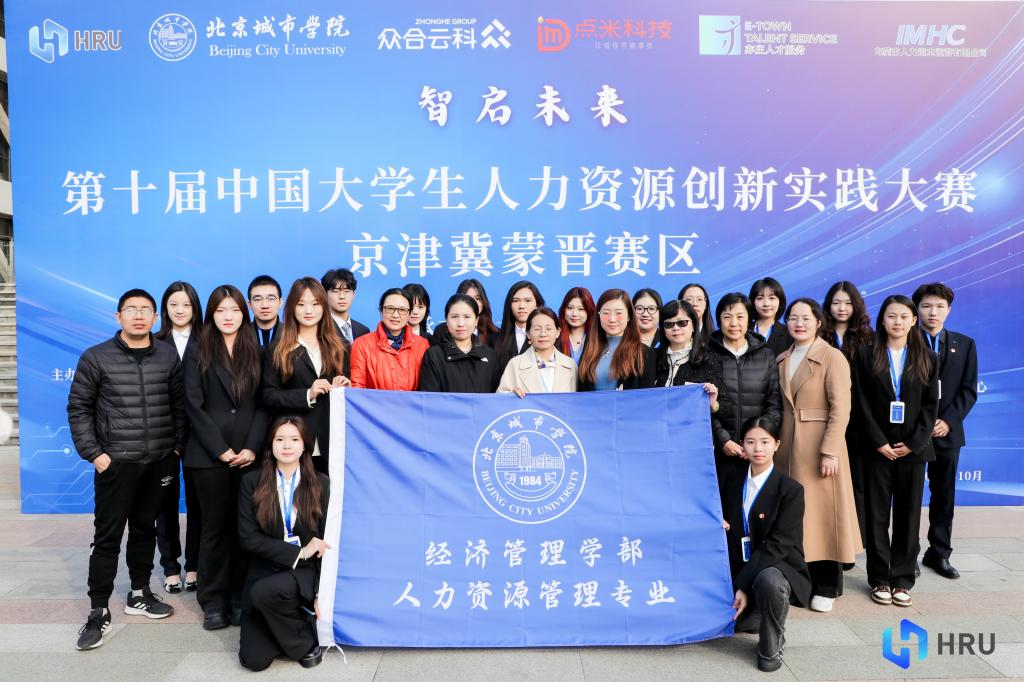
Eighteen students from the Human Resources Management program at SEM participated in the competition. After intense rounds, they secured Grand Prizes in the tracks of Labor Disputes, Enterprise Unions and Democratic Management, Workplace Simulation, and Practical Design; First Prizes in Case Analysis and HR + Employer Branding; Second Prizes in AI + HR and Leaderless Group Discussion; and ultimately won the Team Grand Prize.
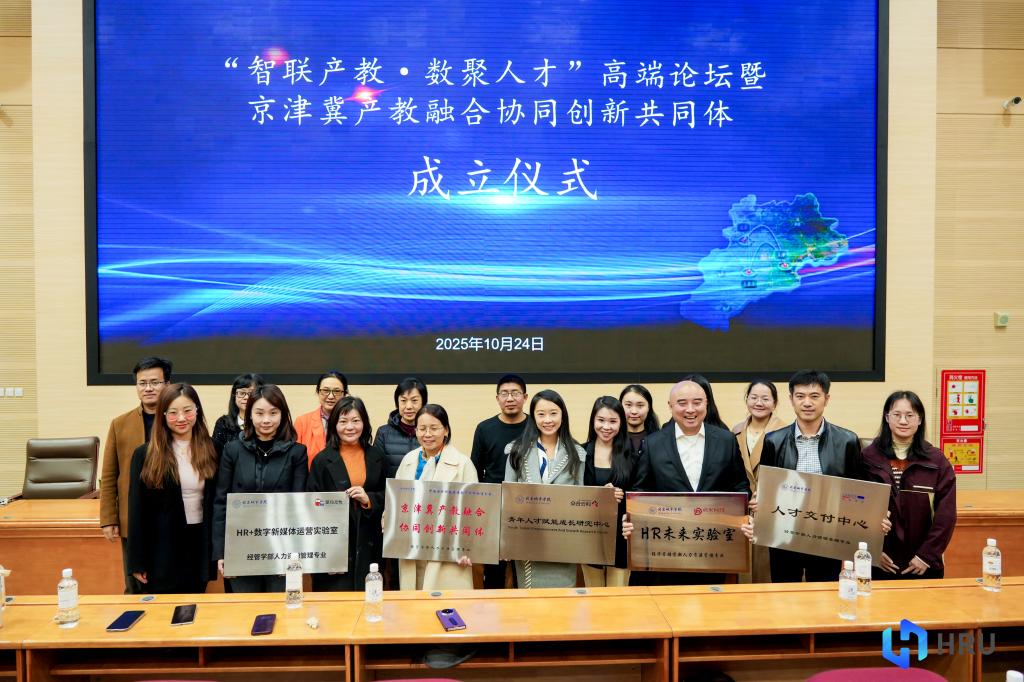
On the eve of the competition, the “Intelligent Industry–Education Integration · Data-Driven Talent Development” High-Level Forum was held, alongside the official launch of the “Beijing–Tianjin–Hebei Industry–Education Integration Collaborative Innovation Consortium” (hereinafter “the Consortium”). Initiated by BCU, the Consortium unites five universities across the region, three provincial-level HR associations, over 20 leading enterprises, and six higher education institutions, synergizing the four core elements—industry, education, competition, and evaluation—to systematically cultivate talent with both practical competence and innovation capacity. This initiative marks a strategic shift from isolated partnerships to regional collaborative development, reinforcing talent support for the coordinated advancement of the Beijing–Tianjin–Hebei region.