On November 22, the “Inaugural Meeting of the High-Quality Development Consortium for Non-Government Universities – The Traditional Chinese Medicine Industry-Education Integration Collaboration Platform and Symposium on Innovative Development of the TCM Industry and High-Quality Talent Cultivation” was held at the Zhongguancun Innovation Think Tank Center in Beijing. The event was organized by the The China Association for Non-Government Education (CANGE) and hosted by Beijing City University (BCU).
Over 20 representatives from Non-Government universities across more than 10 provinces, along with executives from over 10 leading enterprises spanning the traditional Chinese medicine (TCM) industrial chain, as well as government officials and experts supportive of TCM discipline development in Non-Government education, attended the meeting. Together, they witnessed the official launch of the Development Consortium for Non-Government Universities – TCM Industry-Education Integration Collaboration Platform (hereinafter referred to as the “Collaboration Platform”).
The event was chaired by Hu Liqin, Vice President of BCU.
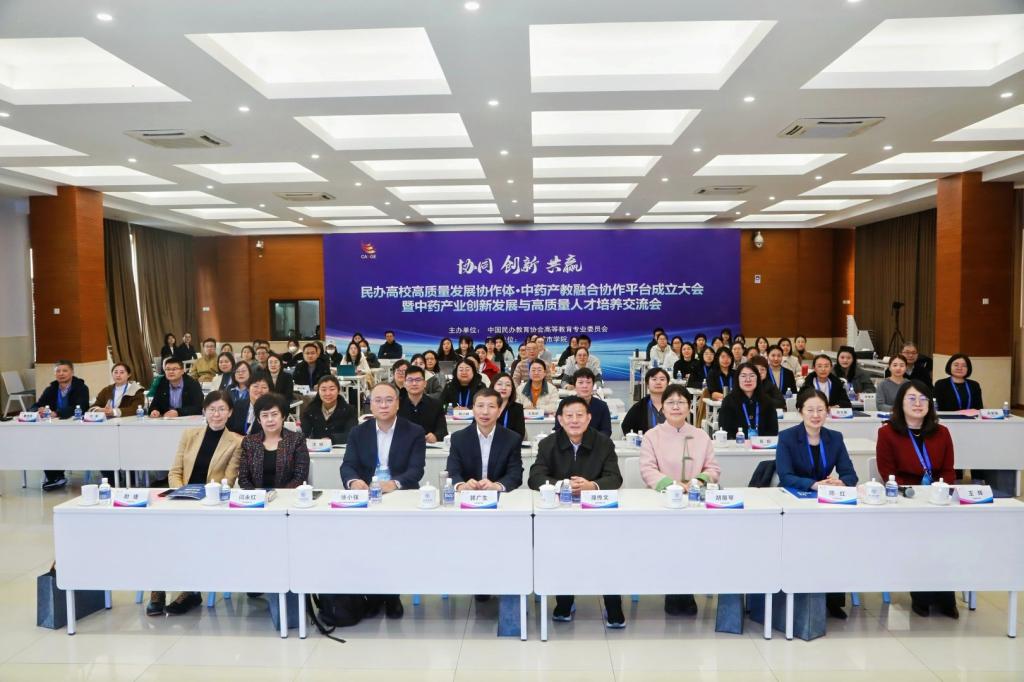
The meeting venue
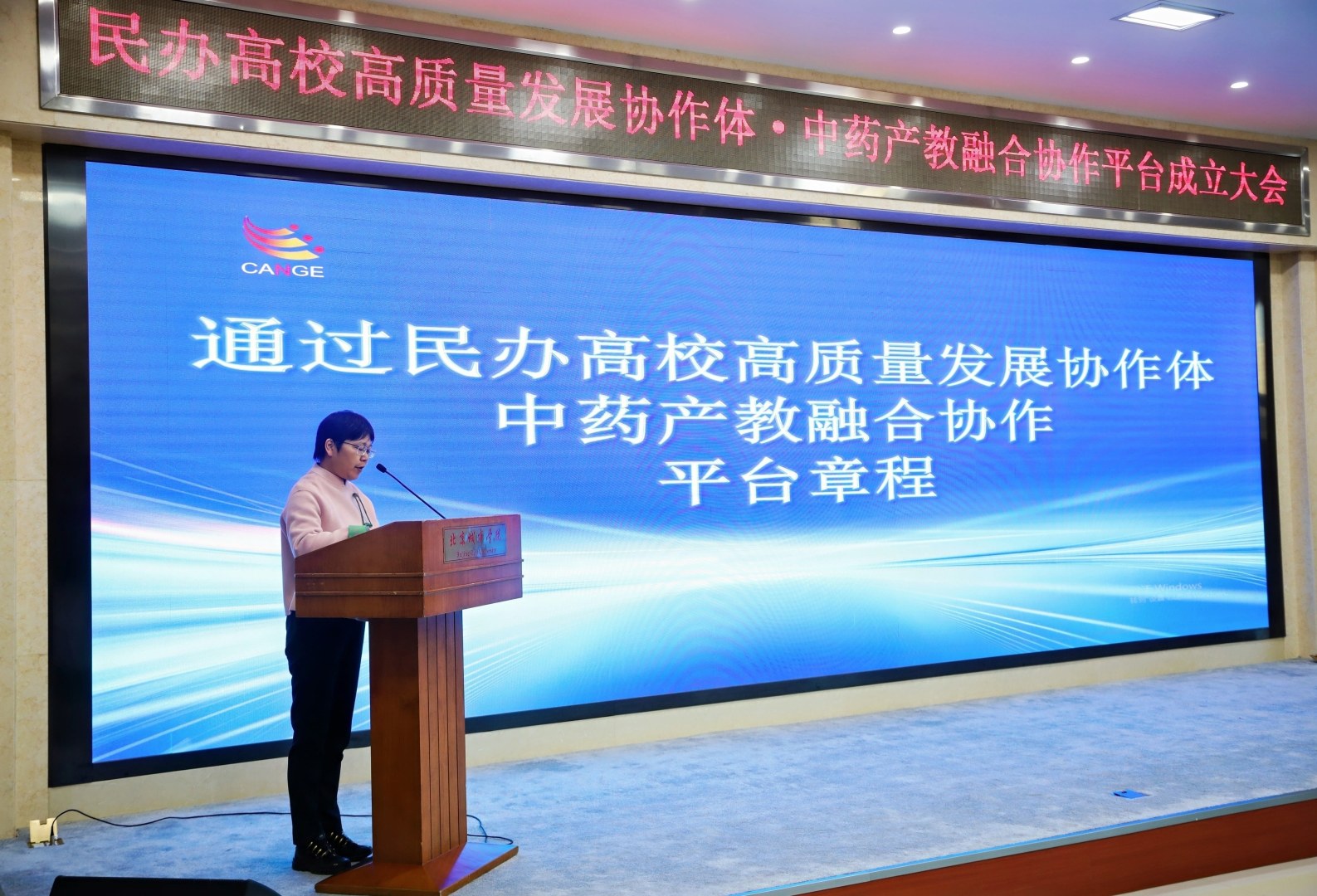
The meeting was chaired by Hu Liqin, Vice President of Beijing City University
Themed “Collaboration, Innovation, and Mutual Success: Building a New Ecosystem for TCM Industry-Education Integration and Cultivating High-Quality TCM Talent,” the meeting closely aligns with China’s national strategy for traditional Chinese medicine development. Guided by the principles of “demand-driven collaboration, resource sharing, joint innovation, and continuous improvement,” the event leveraged the establishment of the Collaboration Platform as a strategic opportunity to forge a deep synergy between Non-Government Universities and leading TCM enterprises—thereby advancing industrial transformation and fostering innovation in TCM talent development.
During the meeting, distinguished leaders and experts jointly unveiled the Collaboration Platform and presented certification plaques to its first cohort of 30 members.
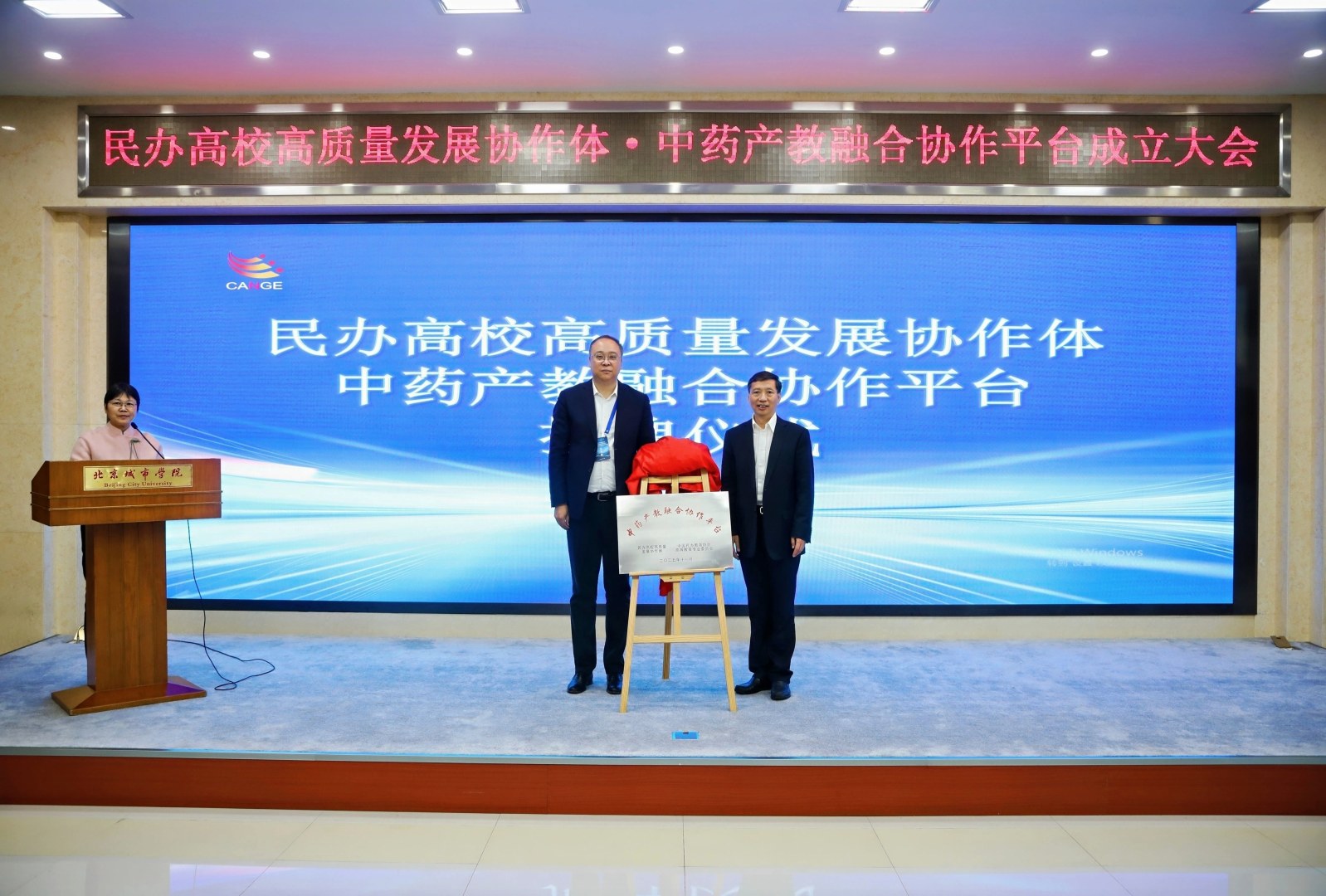
Unveiling Ceremony
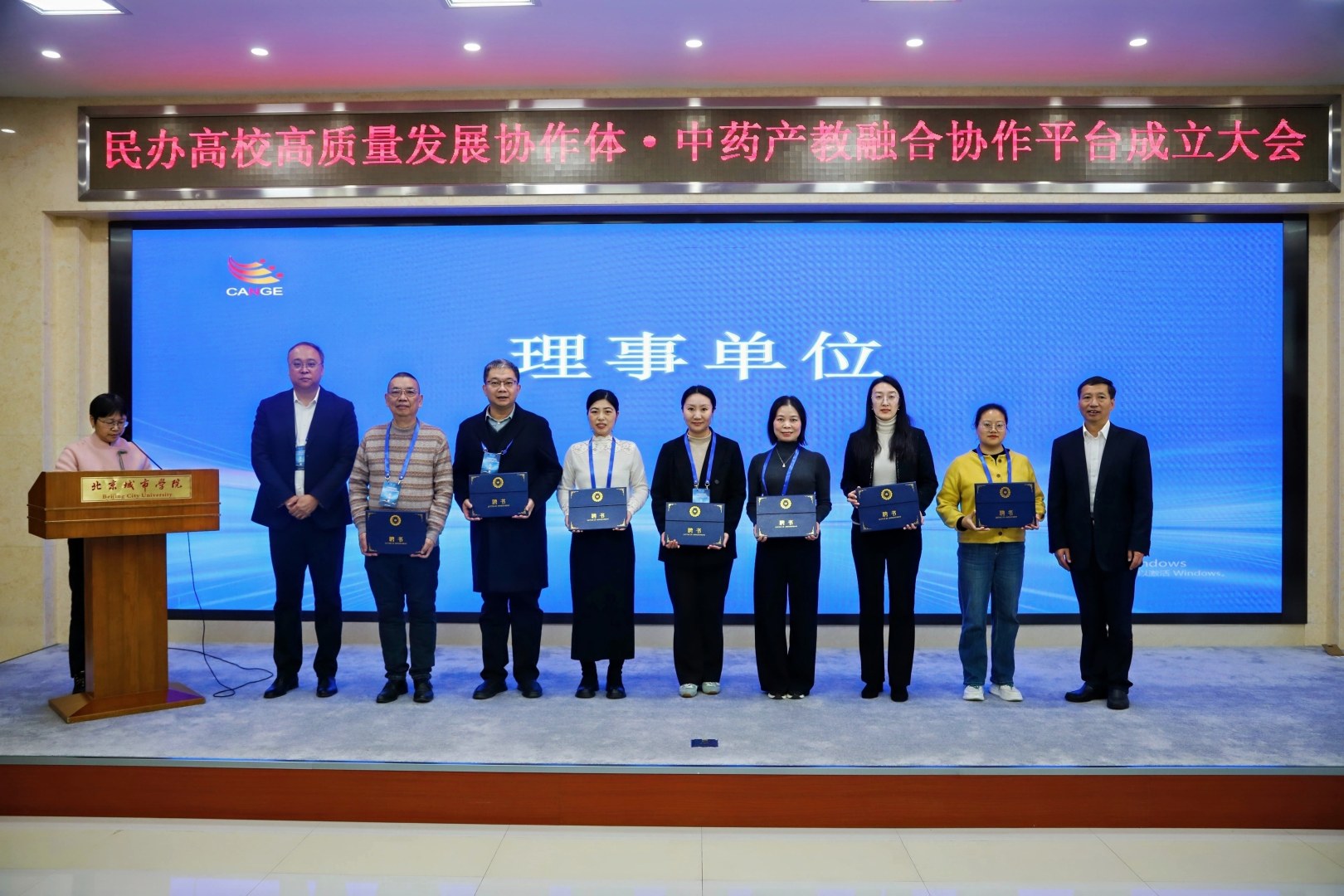
Certificate Presentation Ceremony for Member Units
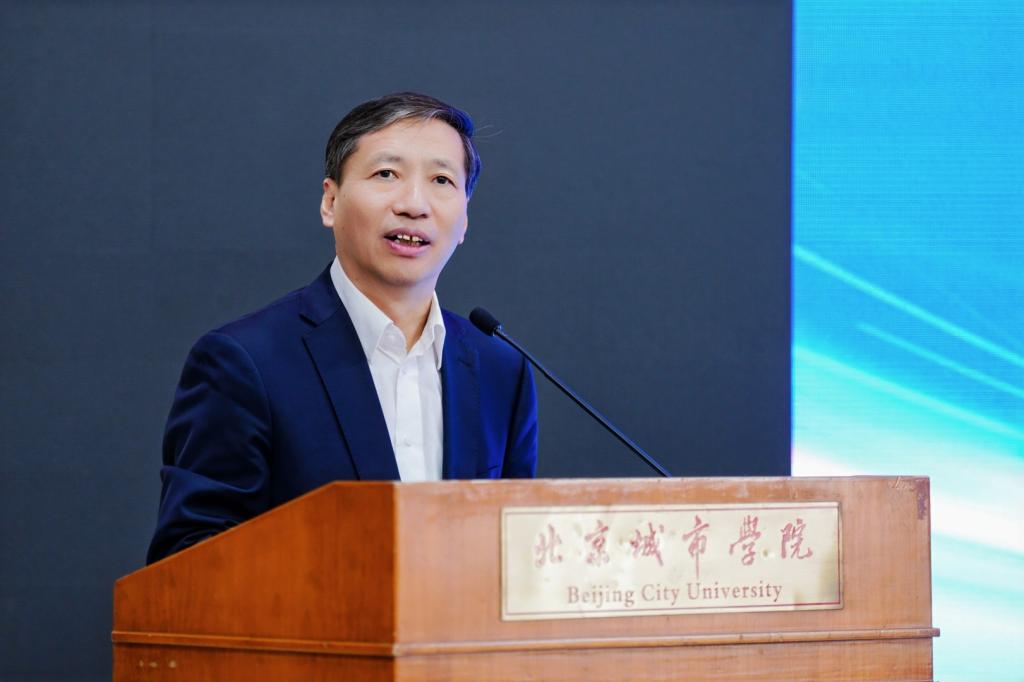
Professor Guo Guangsheng, Chair of the Academic Committee of Beijing City University, delivered a speech.
Professor Guo Guangsheng, Chair of the Academic Committee of Beijing City University (BCU)—the host institution of the event and the designated chair unit of the Collaboration Platform—delivered a keynote address at the meeting.
He stated that the Collaboration Platform will center on the core approach of “breaking down institutional barriers, integrating industrial chains, and deepening systemic mechanisms” to vigorously advance the “triple integration” of TCM education, science and technology, and talent development. This integrated effort aims to provide robust talent and intellectual support for the industry by cultivating high-caliber, application-oriented professionals.
He also outlined BCU’s long-standing commitment to its educational philosophy of “suitable education, holistic education, effective education, and practical education.” Since launching its Traditional Chinese Pharmacology program in 1997, the university has actively pioneered innovations in TCM curriculum design, explored apprenticeship-based teaching models, and implemented collaborative talent development initiatives involving industry, academia, and research—yielding significant practical outcomes and institutional experience.
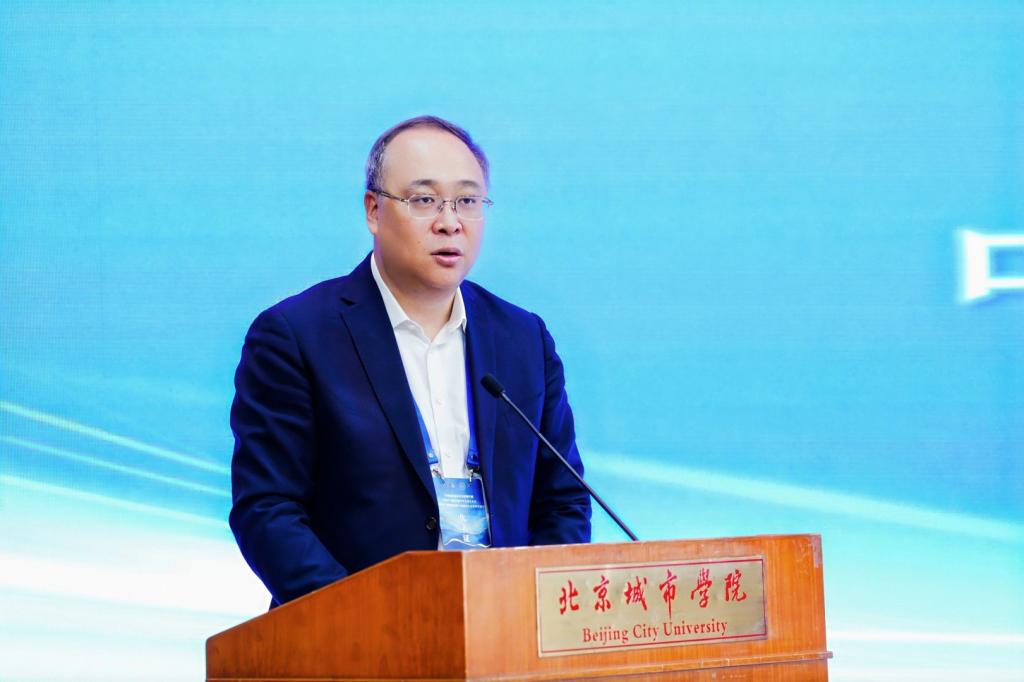
Xu Xiaoqiang, Deputy Chairperson and Secretary-General of the Higher Education Committee of the China Association for Non-Governmental Education, delivered a speech
Xu Xiaoqiang, Deputy Chairperson and Secretary-General of the Chinese Association for Non-Government Education—the organizer of the event—highlighted in his speech that 31 Non-Government undergraduate universities across China currently offer programs in Traditional Chinese Medicine (TCM), accounting for one-quarter of the national total in both institutional number and enrollment scale, making Non-Government higher education a vital force in TCM talent supply.
He emphasized that the Collaboration Platform marks a milestone initiative as the first discipline-focused flagship project under the Association’s “High-Quality Development Consortium for Non-Government Universities” mechanism. Looking ahead, he expressed strong expectations that the platform would advance its mission through six core tasks: Building a talent development system aligned with industry needs; Constructing distinctive, industry-responsive curriculum frameworks; Driving pedagogical innovation in TCM education; Establishing a shared platform for teaching and research resources; Co-developing “dual-qualified” (industry-academia integrated) teaching and innovation teams; and expanding social services and international collaboration.
He urged member institutions to leverage this platform to make meaningful contributions to high-quality TCM talent cultivation and industrial innovation.
During the keynote address session: Tu Zhitao, former Director of the Beijing Municipal Administration of Traditional Chinese Medicine, delivered an in-depth analysis of current TCM industrial policies and development trends, underscoring the pivotal role of industry-education integration in driving sector-wide transformation and upgrading.
Professor Yan Yonghong, a member of the Ministry of Education’s Teaching Steering Committee for TCM Programs and faculty at Beijing University, focused on standards for cultivating outstanding TCM professionals, presenting innovative approaches to curriculum optimization and practical competency enhancement.
Pu Chuanwen, Vice President and Secretary-General of the China Medicinal Diet Research Association, shared insights and real-world cases on cross-sector integration and innovative applications of TCM, drawing from current industry dynamics and emerging opportunities.
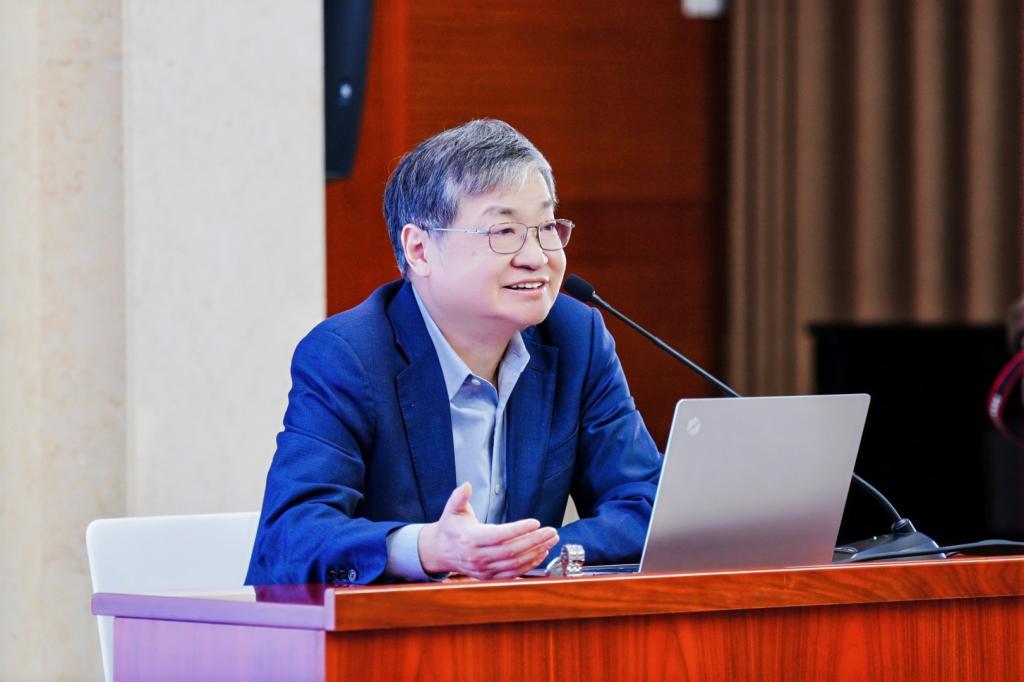
Tu Zhitao, former Director of the Beijing Municipal Administration of Traditional Chinese Medicine, delivered a keynote report.
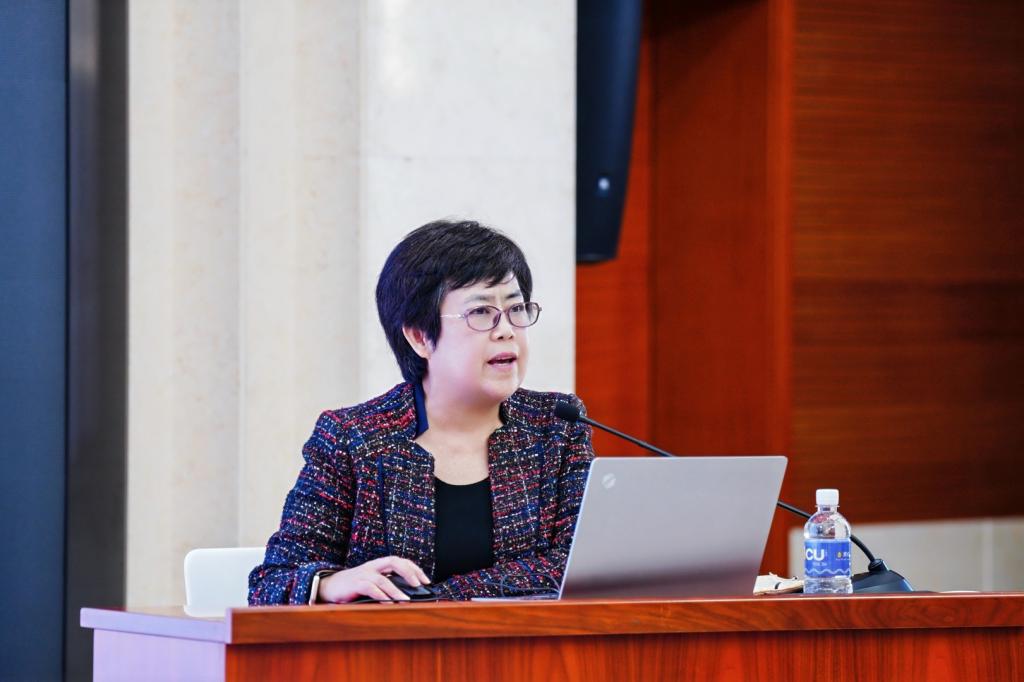
Professor Yan Yonghong, Member of the Ministry of Education’s Teaching Steering Committee for Traditional Chinese Pharmacology Programs and Faculty at Beijing University of Chinese Medicine, delivered a keynote report.
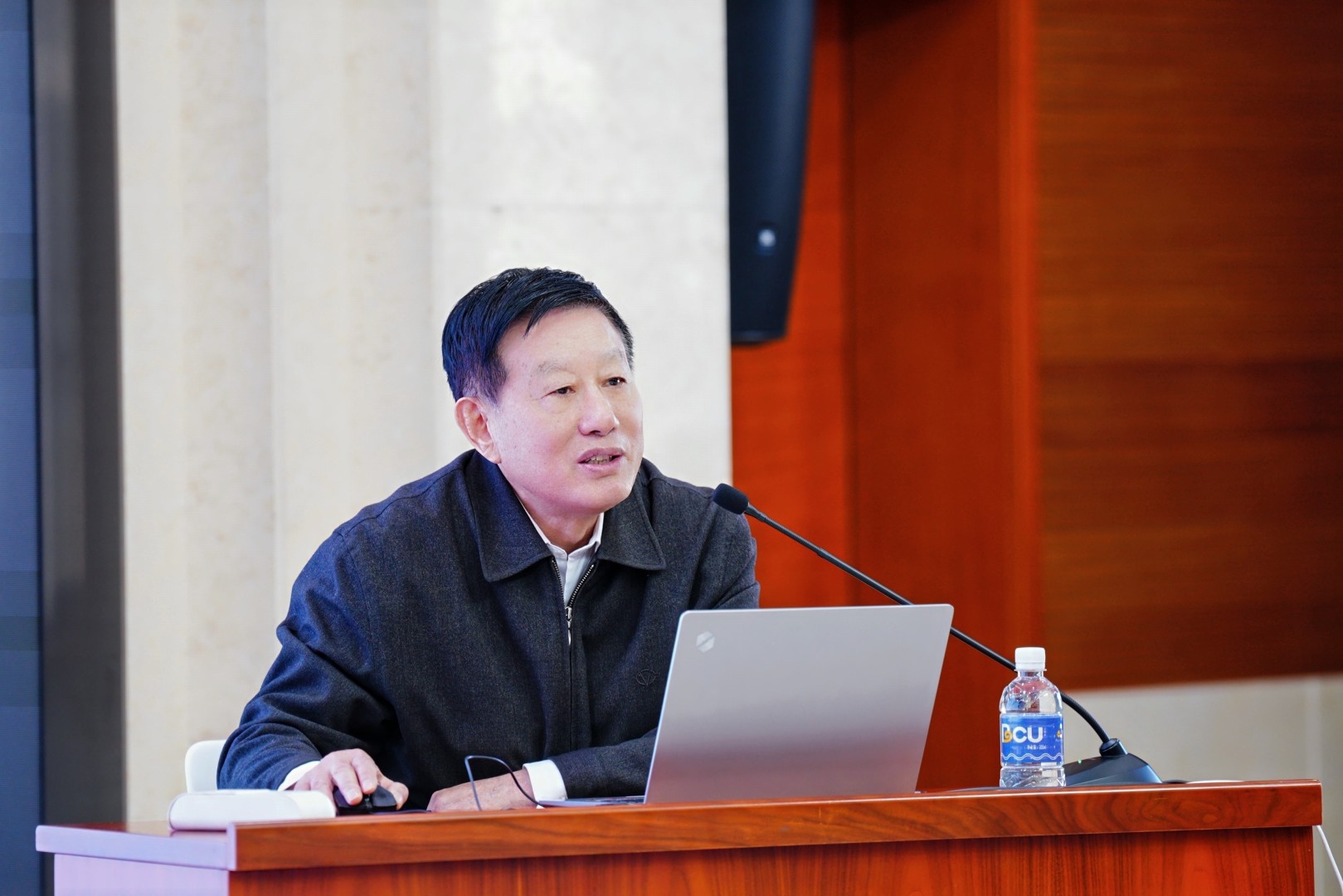
Pu Chuanwen, Vice President and Secretary-General of the China Medicinal Diet Research Association, delivered a keynote report.
During the exchange and discussion session, representatives from Beijing City University, Shaanxi Institute of International Trade & Commerce, Shandong Xiehe University, Wuhan Bioengineering Institute, Kunming Medical University Haiyuan College, and other institutions engaged in in-depth dialogue and shared practical experiences. Their discussions centered on key themes including the enhancement of disciplinary substance in Traditional Chinese Pharmacology programs, innovation in industry-education integration models, and strategies for strengthening regional industrial service capacity. These exchanges provided valuable, real-world case references to inform the Collaboration Platform’s future initiatives and collaborative projects.
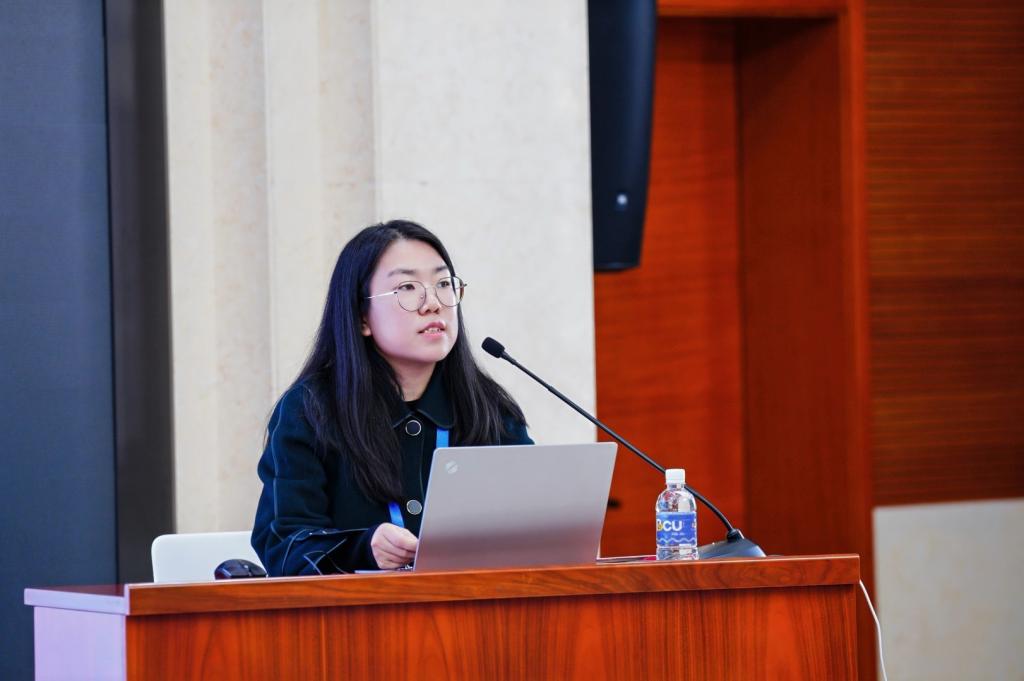
Li Da from Beijing City University delivered a speech.
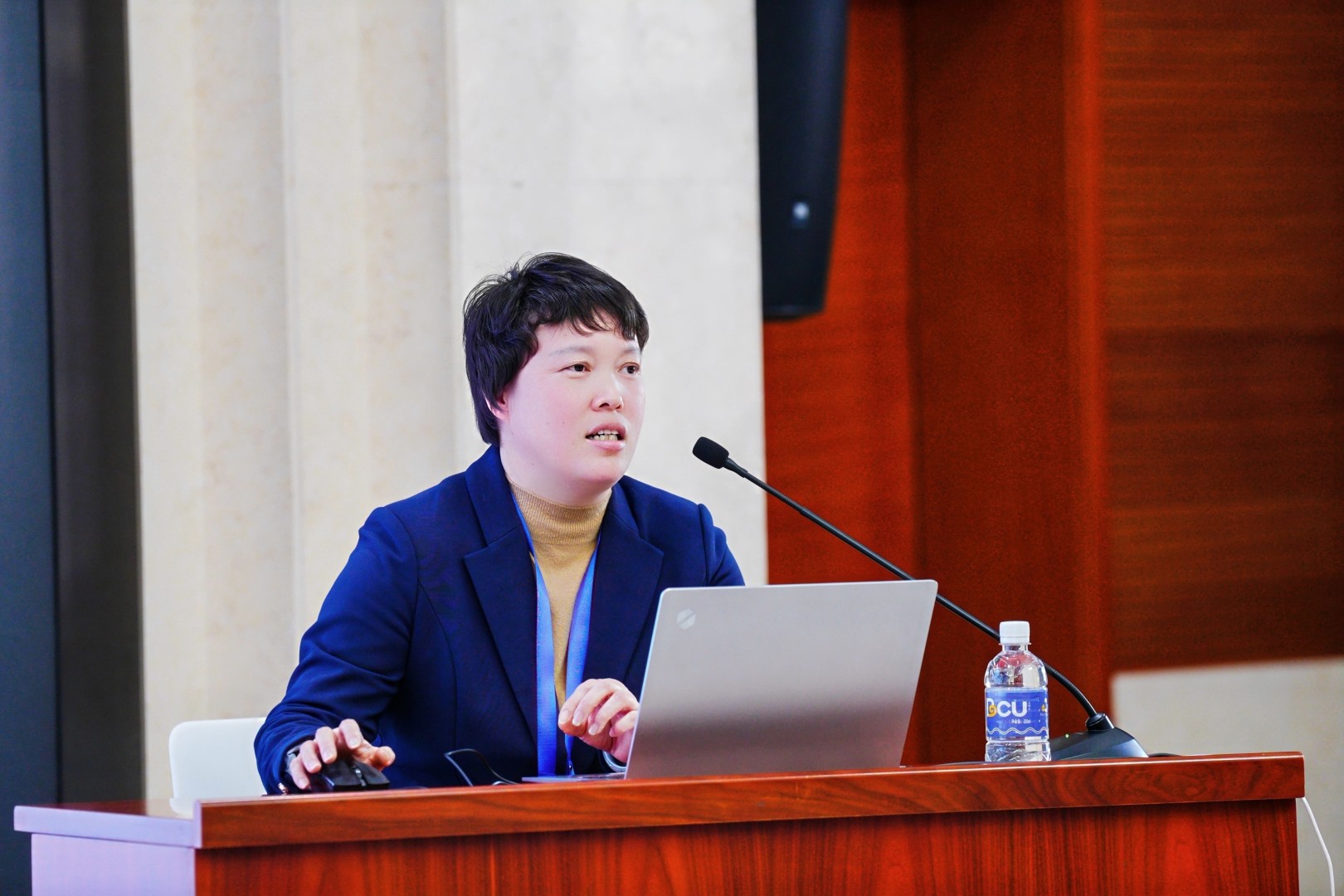
Wang Feijuan from Shaanxi Institute of International Trade & Commerce delivered a speech.
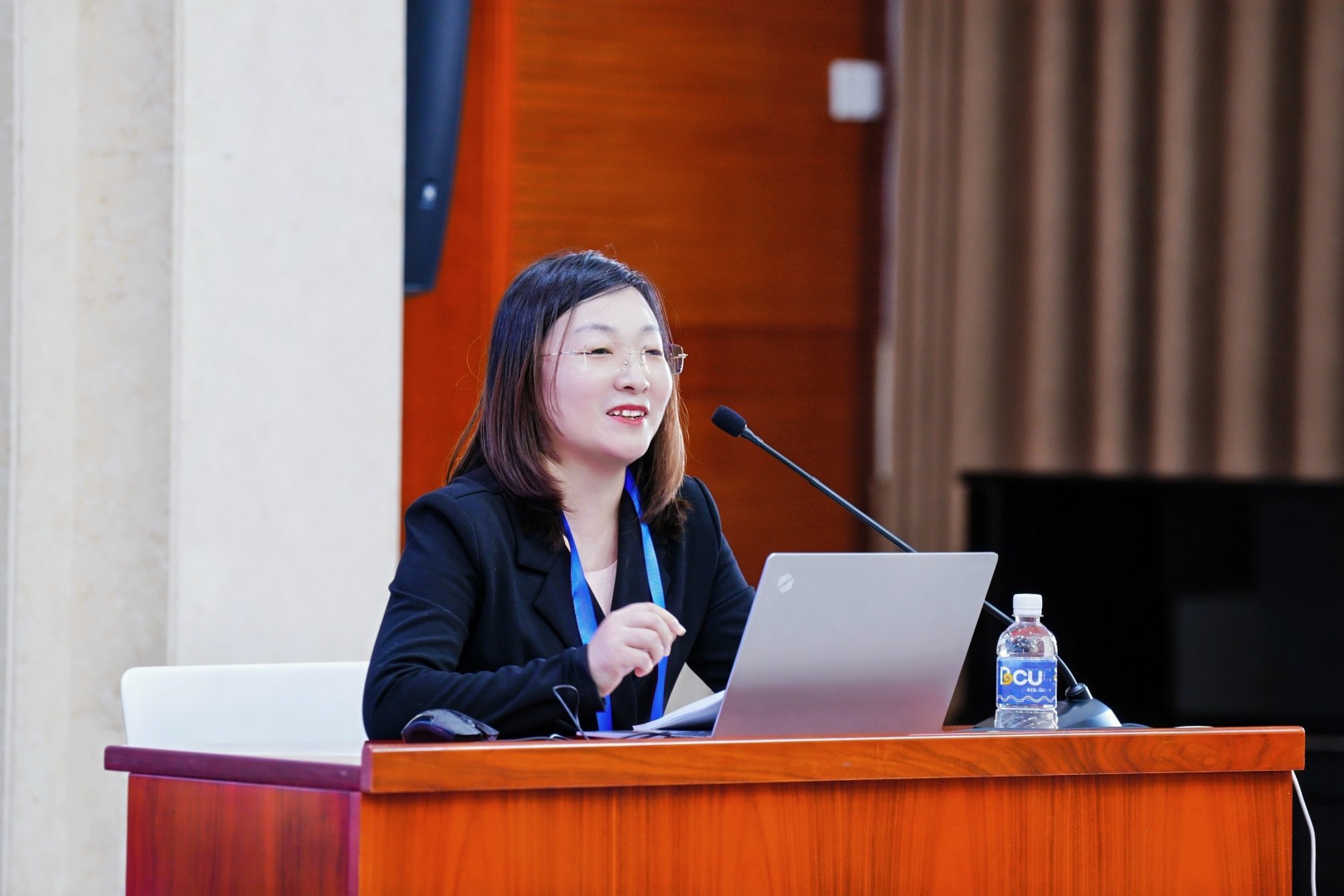
Zhu Shuying from Shandong Xiehe University delivered a speech.
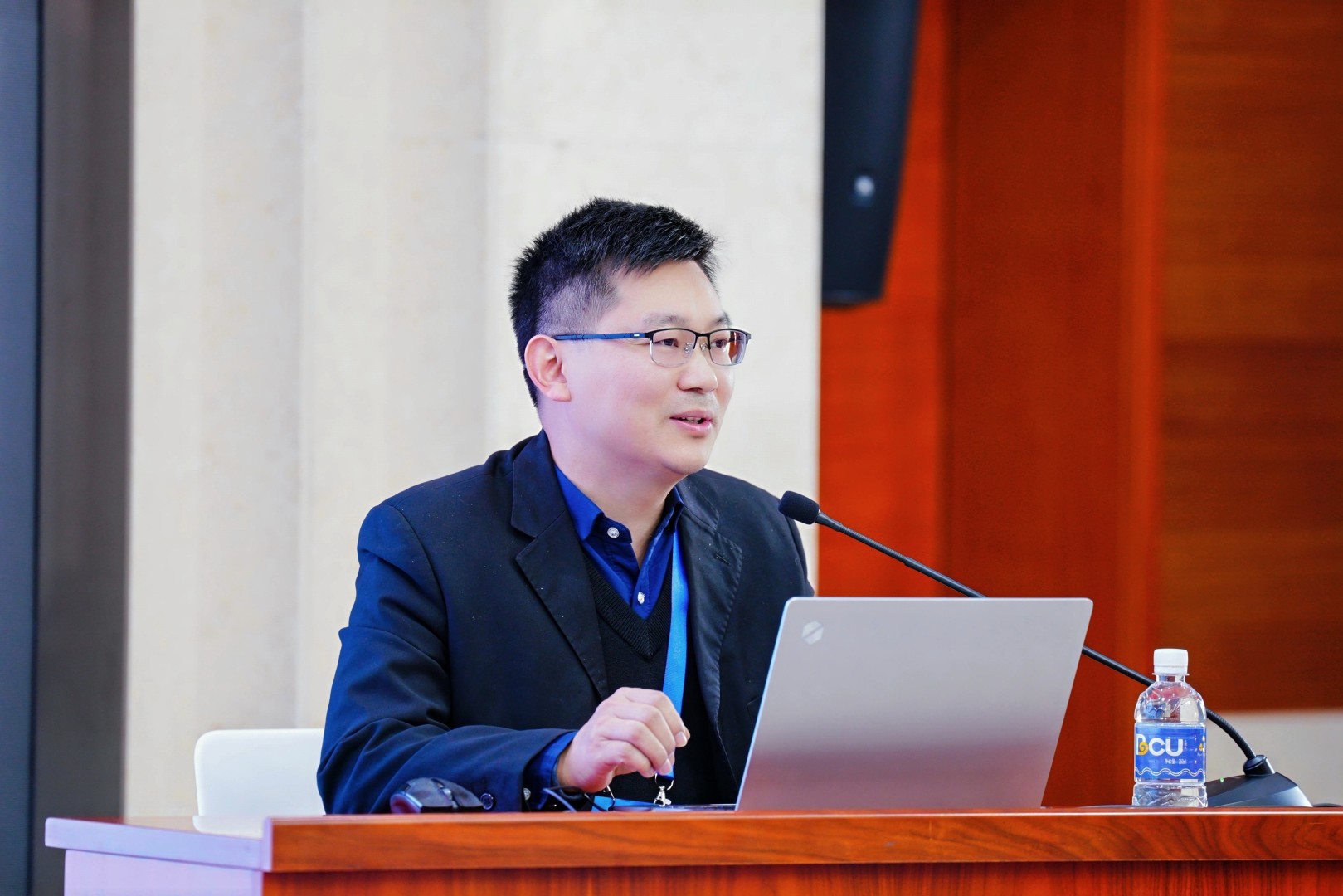
Huang Shuai from Wuhan Bioengineering Institute delivered a speech.
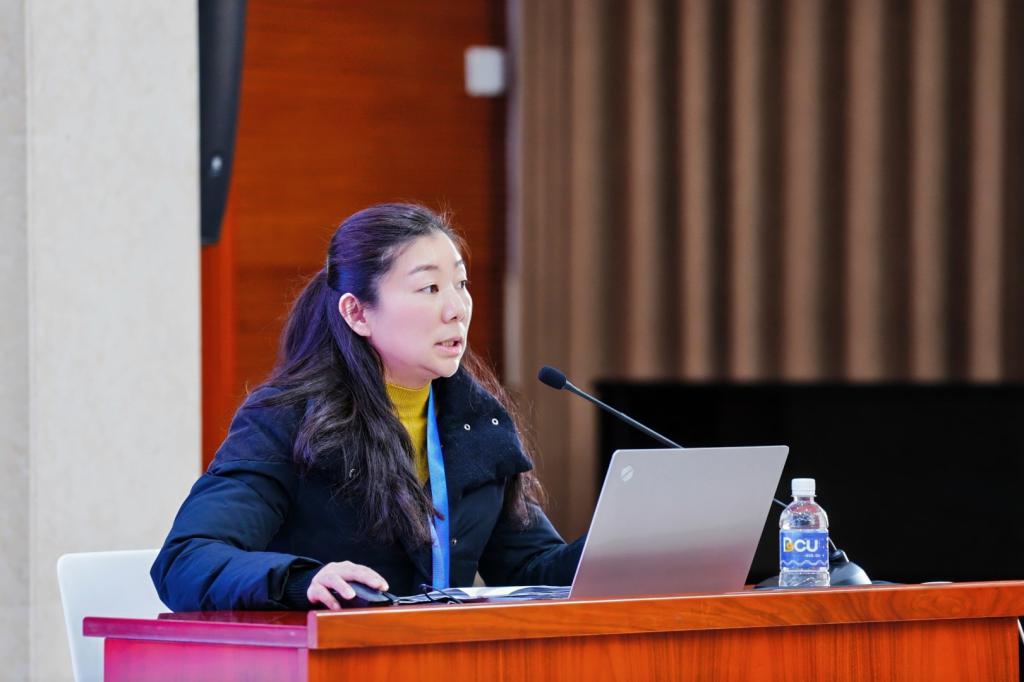
Shen Yan from Kunming Medical University Haiyuan College delivered a speech.
The convening of this conference and the establishment of the TCM Industry-Education Integration Collaboration Platform mark a substantive step forward for Non-Government Universities in serving China’s national strategy for traditional Chinese medicine development and deepening the integration of TCM education with industry. It also represents another concrete action by the Chinese Association for Non-Government Education to implement its “High-Quality Development Consortium for Non-Government Universities” mechanism—demonstrating its ongoing commitment to “advancing sectoral progress and supporting institutional development.”
Looking ahead, the Collaboration Platform will further integrate TCM educational resources from Non-Government universities with the industrial strengths of leading TCM enterprises nationwide. By doing so, it aims to build a national model for TCM industry-education integration, injecting new momentum into both the advancement of education and the revitalization of TCM—and thereby contributing to a new chapter in the realization of an education powerhouse and a TCM powerhouse.