In a concrete effort to implement the Healthy China initiative and to advance the exploration and practice of an integrated “medical-education collaboration and industry-academia-research integration” talent development model—thereby injecting strong momentum into regional medical education enhancement and healthcare system upgrading—the unveiling ceremony of the Affiliated Shunyi District Hospital of Traditional Chinese Medicine of Beijing City University was held on December 1 at the Shunyi District Hospital of Traditional Chinese Medicine in Beijing.
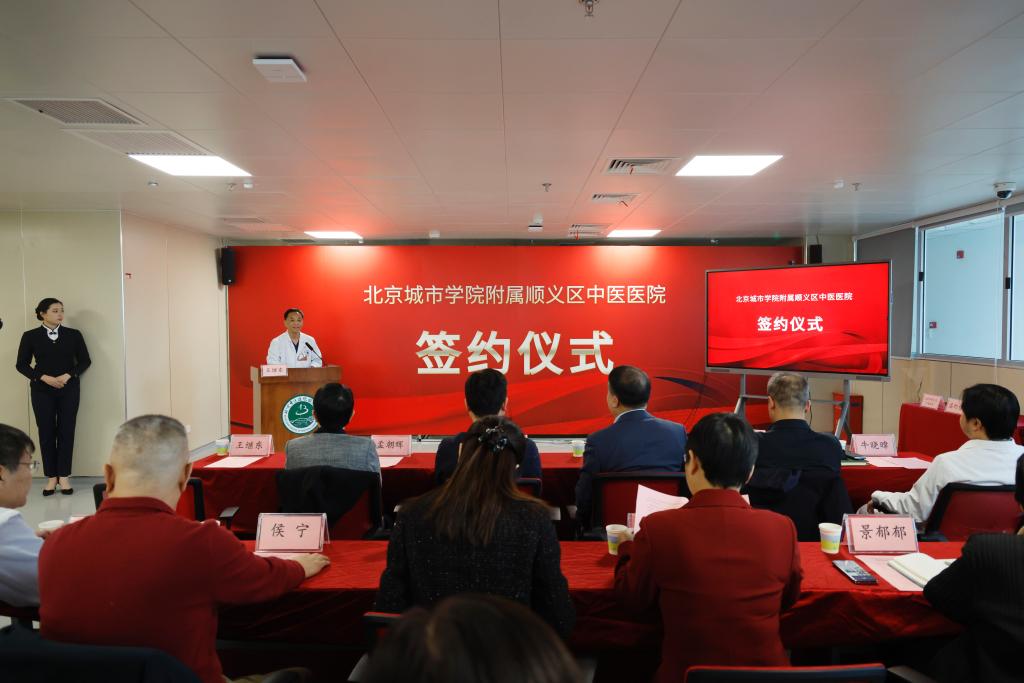
The ceremony was attended by distinguished guests and leaders from both sides, including Zhang Guoyu, Vice Mayor of Shunyi District; Yu Baoxin, Vice Chairperson of the Shunyi District Committee of the Chinese People's Political Consultative Conference and Director of the Shunyi District Health Commission; Meng Zhaohui, Secretary of the Party Working Committee for Education, Director of the Shunyi District Education Commission, and Director of the Shunyi District Government Education Inspectorate; Liu Lin, President of Beijing City University; Vice Presidents Hu Liqin and Zhang Huiying; Niu Xiaowei, Executive President of the Shunyi District Hospital of Traditional Chinese Medicine; Wang Jidong, Secretary of the Hospital’s Party Committee; and Liu Wenguang, Deputy Party Secretary of the Hospital and Chairperson of the Trade Union, along with heads of relevant functional departments from both institutions. Together, they witnessed this significant milestone.
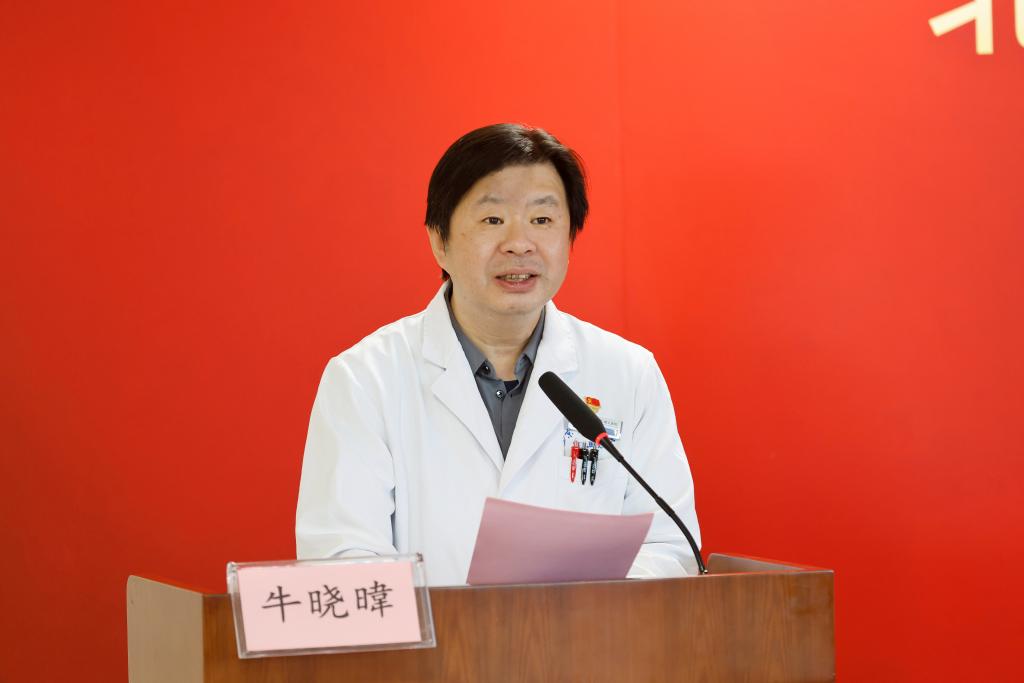
At the ceremony, Niu Xiaowei delivered the opening remarks. He reviewed the hospital’s development journey since its founding in 1985, highlighting its distinctive strengths and notable achievements. He noted that the hospital has already established partnerships with multiple universities and built a relatively comprehensive practical teaching system.
This collaboration with Beijing City University, he emphasized, represents a pivotal opportunity for the hospital to integrate high-quality university resources and achieve high-quality development. He expressed confidence that BCU’s strengths in discipline construction, talent cultivation, and scientific innovation will provide powerful impetus for the hospital to refine its teaching models, strengthen the integration of clinical practice and research, and enhance its overall influence.
Looking ahead, he expressed his hope that both institutions would jointly build a model partnership exemplifying medical-education synergy, making greater contributions to regional public health and the inheritance and innovation of traditional Chinese medicine.

Yu Baoxin emphasized that traditional Chinese medicine (TCM) is a treasured heritage of the Chinese nation, and advancing its high-quality development is both a practical necessity for safeguarding cultural roots and ensuring public health. He stated that this university-hospital collaboration is not only a concrete implementation of the national strategy on medical-education synergy but will also inject new vitality into Shunyi District’s healthcare sector, significantly boosting TCM talent development and service enhancement in the region.
He expressed three key expectations for the partnership: First, to uphold the principle of “moral and professional cultivation” (lideshuren) and jointly nurture more high-caliber, application-oriented medical and pharmaceutical talents who possess solid theoretical foundations, strong practical skills, and innovative capabilities. Second, to focus on medical innovation by leveraging BCU’s research platforms and the hospital’s clinical strengths to drive high-quality development of the TCM sector. Third, to continuously refine healthcare delivery by drawing on BCU’s disciplinary advantages to elevate the hospital’s overall service quality and patient care standards.
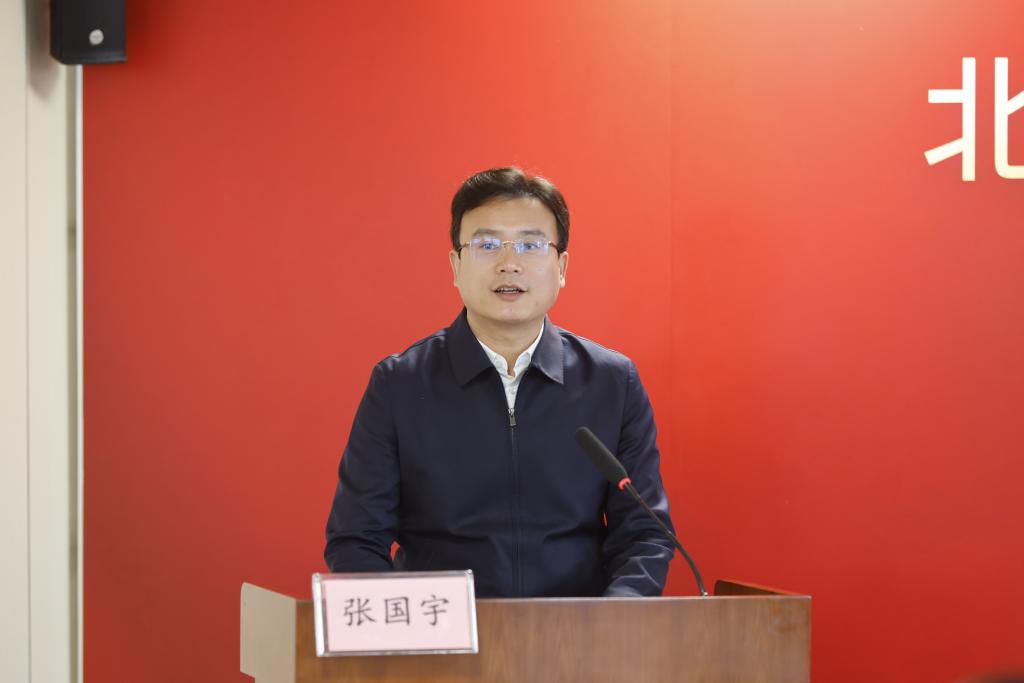
Zhang Guoyu, speaking on behalf of the Shunyi District government, extended warm congratulations on the establishment of this partnership. He emphasized that the collaboration marks a significant milestone in the integrated development of Shunyi’s healthcare and higher education sectors—it represents a crucial step in strengthening the foundation of talent cultivation, a powerful engine for enhancing hospital quality and efficiency, and a strategic alignment with Beijing Municipality’s “15th Five-Year Plan” directive to “accelerate the building of a Healthy Beijing.”
He expressed three key hopes for the collaboration: First, cherish the opportunity and cooperate in good faith—adhering to the principles of “complementary strengths, shared resources, mutual benefit, and common development.” Both parties should refine their cooperation framework, clarify responsibilities, and ensure that all agreed initiatives take root, flourish, and deliver tangible outcomes. Second, focus on quality and build benchmarks—striving to establish a regionally influential demonstration base for medical talent development and a highland for collaborative innovation in medical education, research, and clinical practice. Third, serve the local community and benefit the public—effectively translating collaboration outcomes into enhanced regional healthcare capacity and concrete solutions to the public’s most pressing concerns regarding access to timely, high-quality, and convenient medical services. The ultimate goal, he stressed, is to enable Shunyi residents to enjoy better healthcare right in their own neighborhoods.

Liu Lin expressed heartfelt gratitude to the Shunyi District Party Committee and Government, the District Health Commission, the District Education Commission, and the Beijing Hospital of Traditional Chinese Medicine – Shunyi Branch for their trust and strong support.
He emphasized that this partnership represents a vital opportunity for mutual advancement between the university and the hospital. BCU will fully commit to realizing the collaboration through three key actions: First, strengthening coordinated development mechanisms—by deepening joint discussions and aligning efforts in areas such as discipline development, talent recruitment, and scientific research, all in close synergy with Beijing’s “15th Five-Year Plan.” Second, enhancing resource and opportunity sharing—by opening up campus facilities and platforms to foster co-construction and co-utilization of infrastructure, academic platforms, and human resource. Third, deepening regional service integration—by working hand-in-hand with the hospital to elevate local healthcare quality and deliver tangible benefits to the people of Shunyi.
President Liu affirmed that BCU will actively fulfill its commitments, driving both institutions toward new heights of excellence and making greater contributions to the region’s public health and well-being.
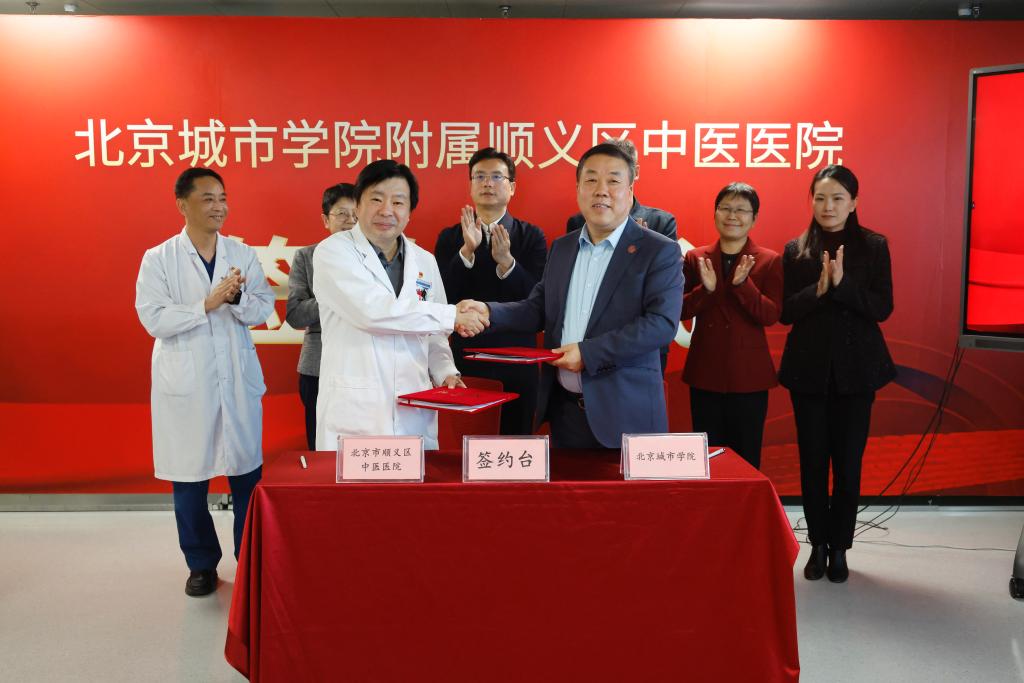
Subsequently, Liu Lin and Niu Xiaowei jointly signed the Cooperation Agreement for the Co-Construction of the Affiliated Hospital, formally outlining the scope and objectives of collaboration in key areas including talent development, discipline building, scientific research and innovation, and community service.
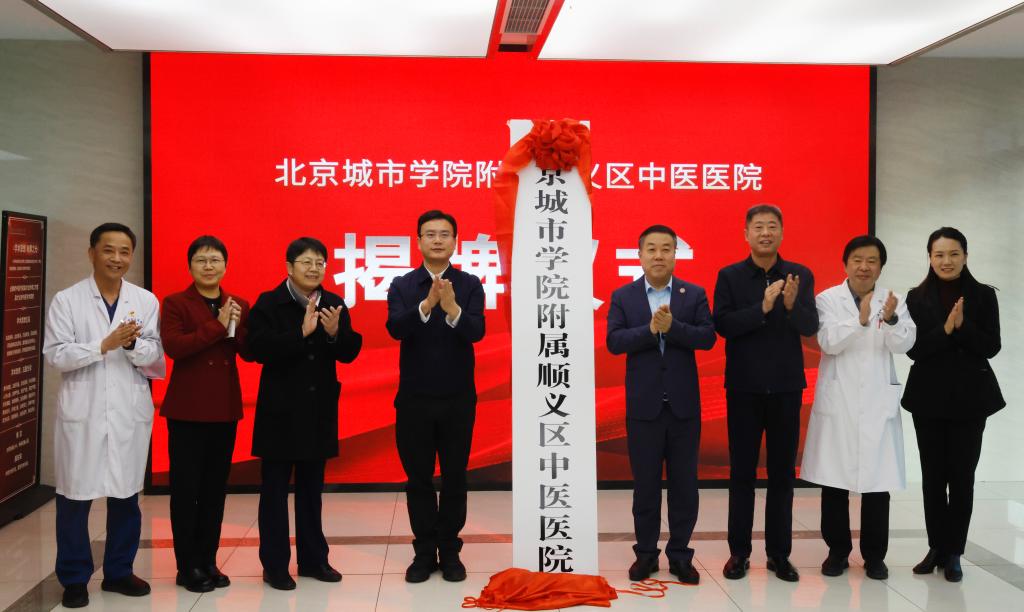
Amidst the witness of all attending guests, leaders from both sides jointly unveiled the plaque for the “Affiliated Shunyi District Hospital of Traditional Chinese Medicine of Beijing City University,” marking the official launch of this strategic partnership.
This university-hospital collaboration represents a significant exploration of regional medical-education synergy. Both parties will strive to build a robust bridge for the cultivation of traditional Chinese medicine (TCM) talent, infusing the inheritance and development of TCM with new contemporary relevance—and ensuring that the time-honored legacy of Qihuang (the foundational tradition of Chinese medicine) continues to thrive and shine with renewed brilliance.